Over the past five to six years, the Korean art market has attracted significant attention within the global art world. During the COVID-19 pandemic and following the launch of Frieze Seoul in 2022, Korean collectors attracted growing international attention, contributing to the rapid expansion of the domestic art market. After a period of rapid growth, however, the Korean art market has gradually slowed since late 2022 amid growing global economic uncertainty. Participation by European and American galleries in successive editions of Frieze Seoul has steadily declined, raising questions about the market's long-term attractiveness and sustainability.
To better understand the current state of the Korean art market and assess its future direction, ArtLab Unlimited conducted the 2025 Korean Art Collectors Survey under the auspices of the Ministry of Culture, Sports and Tourism and the Korea Arts Management Service (KAMS). The study explored three key questions:
• Who are the collectors participating in the Korean art market today?
• What do they collect, where do they purchase artworks, and what motivates their collecting?
• How do collectors develop over time, and what does this mean for the future of the Korean art market?
To answer these questions, the study combined a large-scale survey distributed to approximately 40,000 collectors and prospective collectors through Kiaf, Seoul Auction, and K Auction with in-depth interviews involving eleven collectors. Together, these approaches provide a comprehensive understanding of Korean collectors today and how they are likely to develop in the future.
I. Who Are Korean Art Collectors?
The survey obtained 666 valid responses. The analysis presented in this report focuses on the 408 respondents who had purchased artworks within the past five years (hereafter referred to as “collectors”). The remaining 258 respondents were classified as prospective collectors.
Among collectors, individuals in their forties and fifties accounted for 54.2% of respondents, while those in their twenties and thirties represented 31.3%, and collectors aged sixty and above comprised 14.5%. Collectively, collectors in their twenties to fifties accounted for 85.5% of the collector population. Among these age groups, collectors in their forties constituted the largest share.
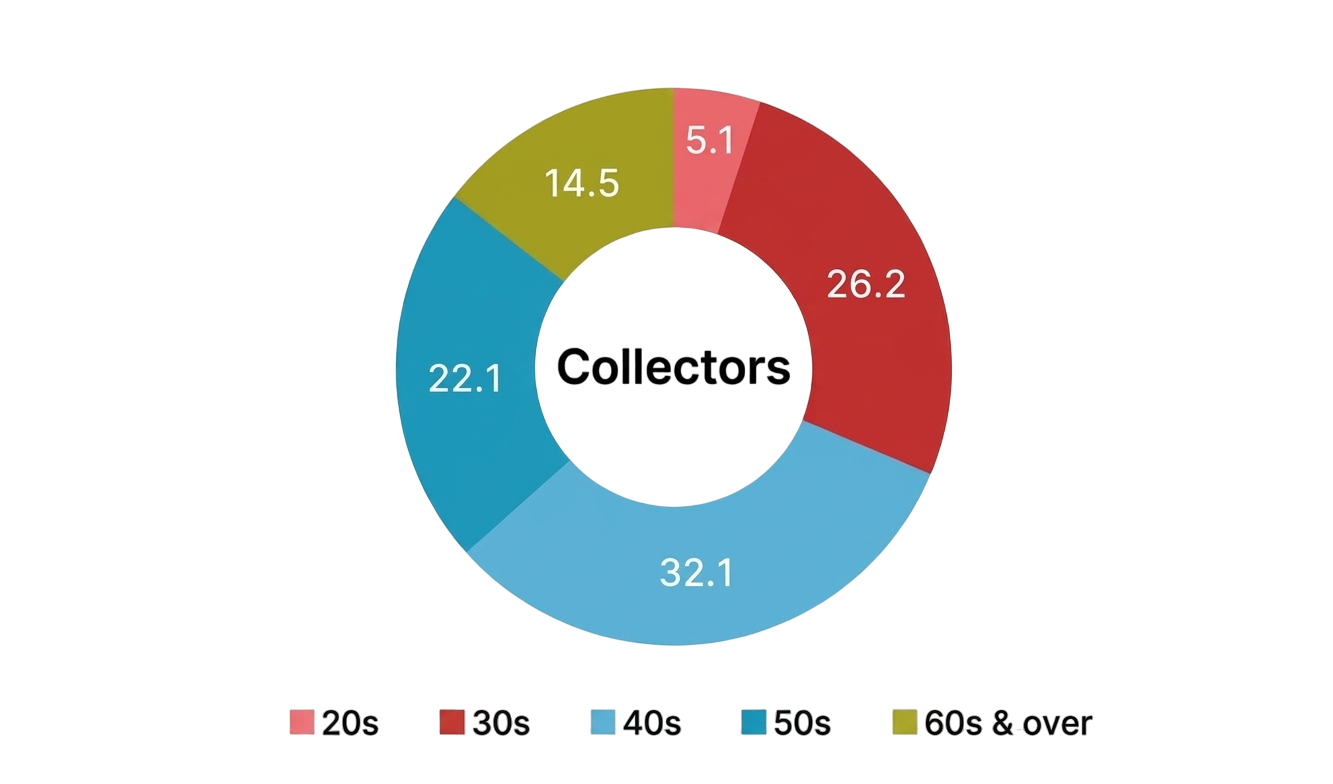
Figure 1. Collectors: Age Distribution (Unit: %)
The duration of collecting also reflected the relative youth of the Korean art market. Approximately 61.8% of collectors had been collecting for fewer than five years, while nearly four out of five (79.4%) had been collecting for fewer than ten years. High-value collectors generally had longer collecting histories.
Educational attainment was notably high. Among collectors, 48.5% held a bachelor's degree, and 48.3% had completed graduate-level education, including master's and doctoral degrees. The proportion of collectors with graduate degrees increased among high-end collectors.
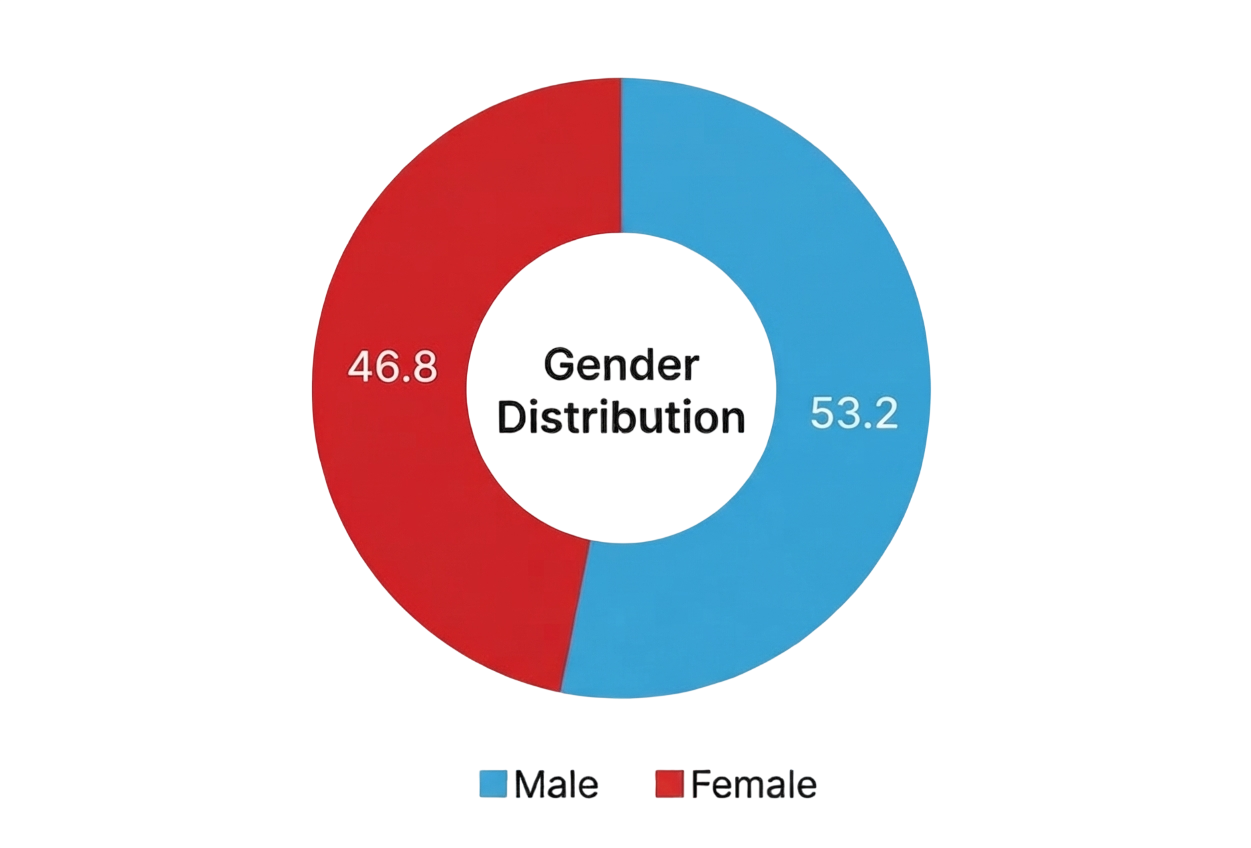
Gender distribution was relatively balanced overall, with men accounting for 53.2% and women 46.8% of collectors. However, among collectors in their twenties and thirties, women represented 55.5% of respondents, suggesting that female collectors may play an increasingly important role in the future development of the Korean art market.
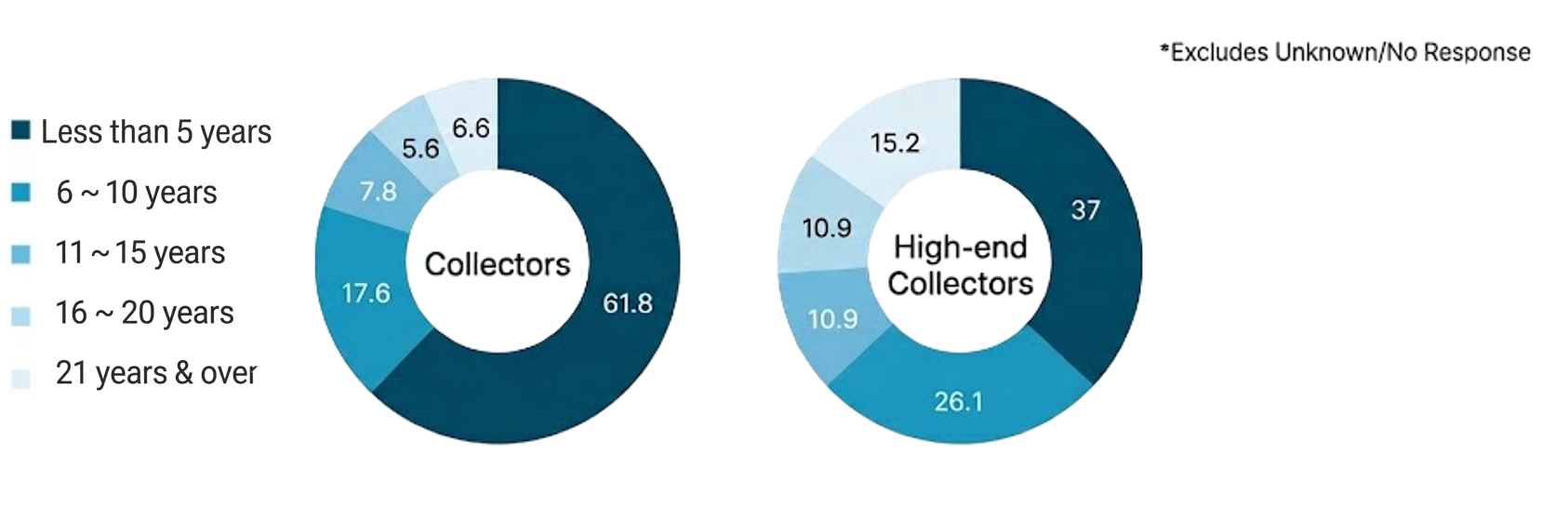
Figure 2. Collectors and High-End Collectors:
Distribution of Purchasing Experience (Unit: %)
The survey also indicated that the Korean art market remains primarily a market for affordable and mid-priced artworks. Approximately 78% of respondents reported that their most recent artwork purchase was priced below KRW 10 million (approximately USD 7,000), while only 4.2% acquired works valued at KRW 50 million (approximately USD 35,000) or more. Although purchase prices generally increased with age, younger high-end collectors were also present.
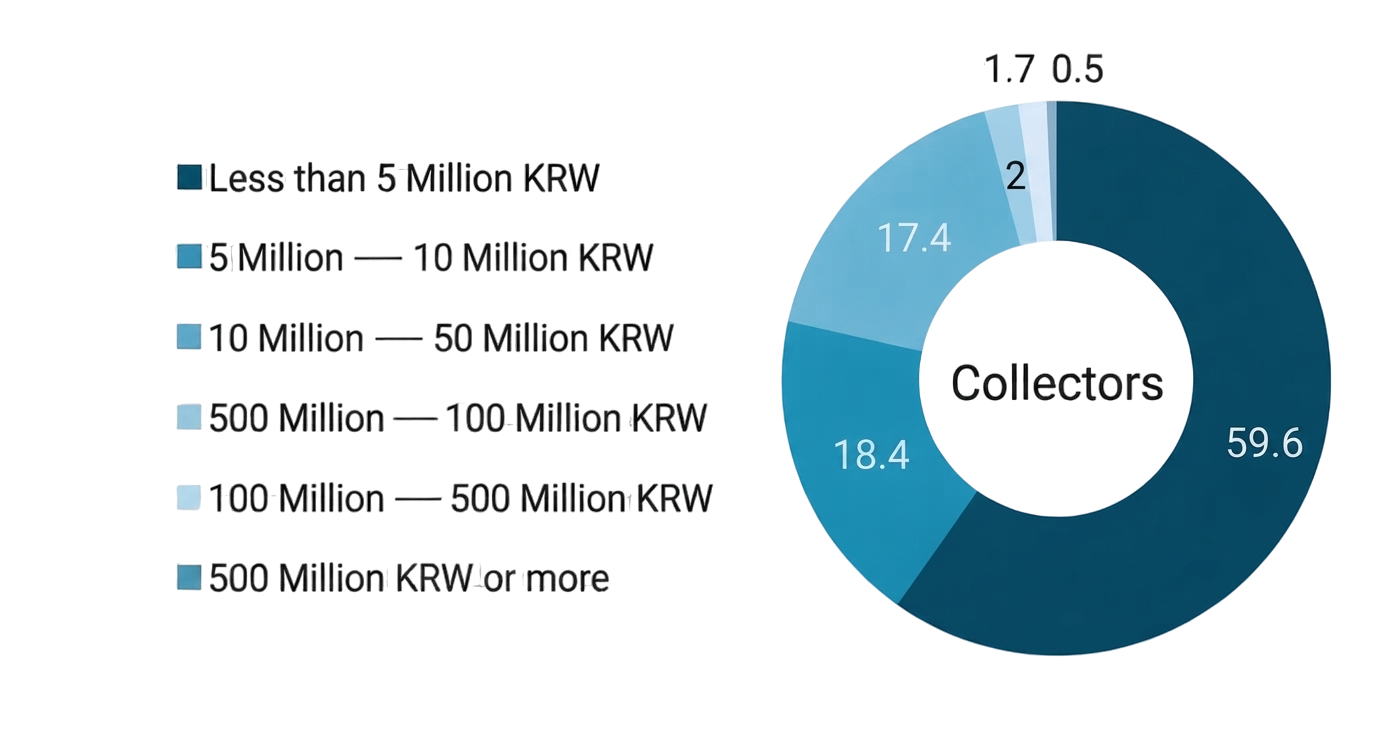
Figure 4. Price Range of Recent Acquisitions (Unit: %)
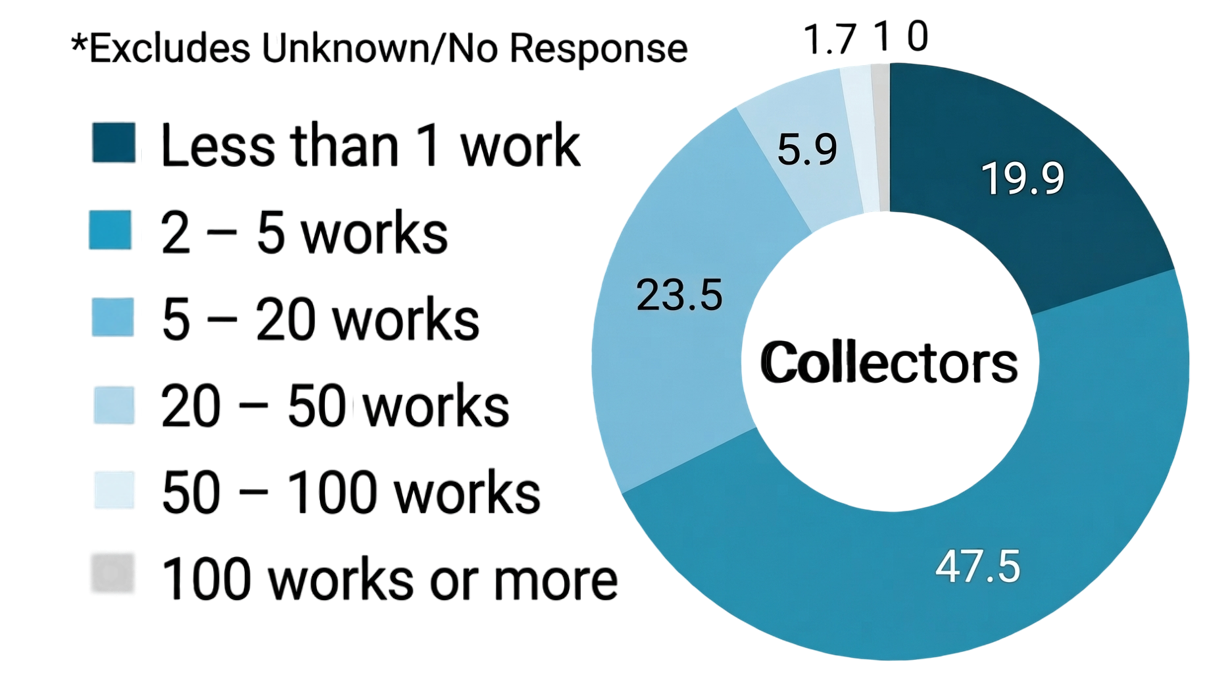
Figure 5. Cumulative Number of Acquisitions in the Last 5 Years (Unit: %)
In terms of collection volume, 47.5% of respondents had acquired between two and five artworks over the previous five years, while 23.5% had purchased between five and twenty artworks. These findings suggest that today's Korean collector base is relatively young and highly educated.
The share of total assets allocated to artworks averaged 5.7% among collectors aged 60 and over, 6.5% among those in their forties and fifties, and 8.3% among collectors in their twenties and thirties. Across all age groups, collectors expected this proportion to increase in the future, suggesting continued potential for growth in the Korean art market.
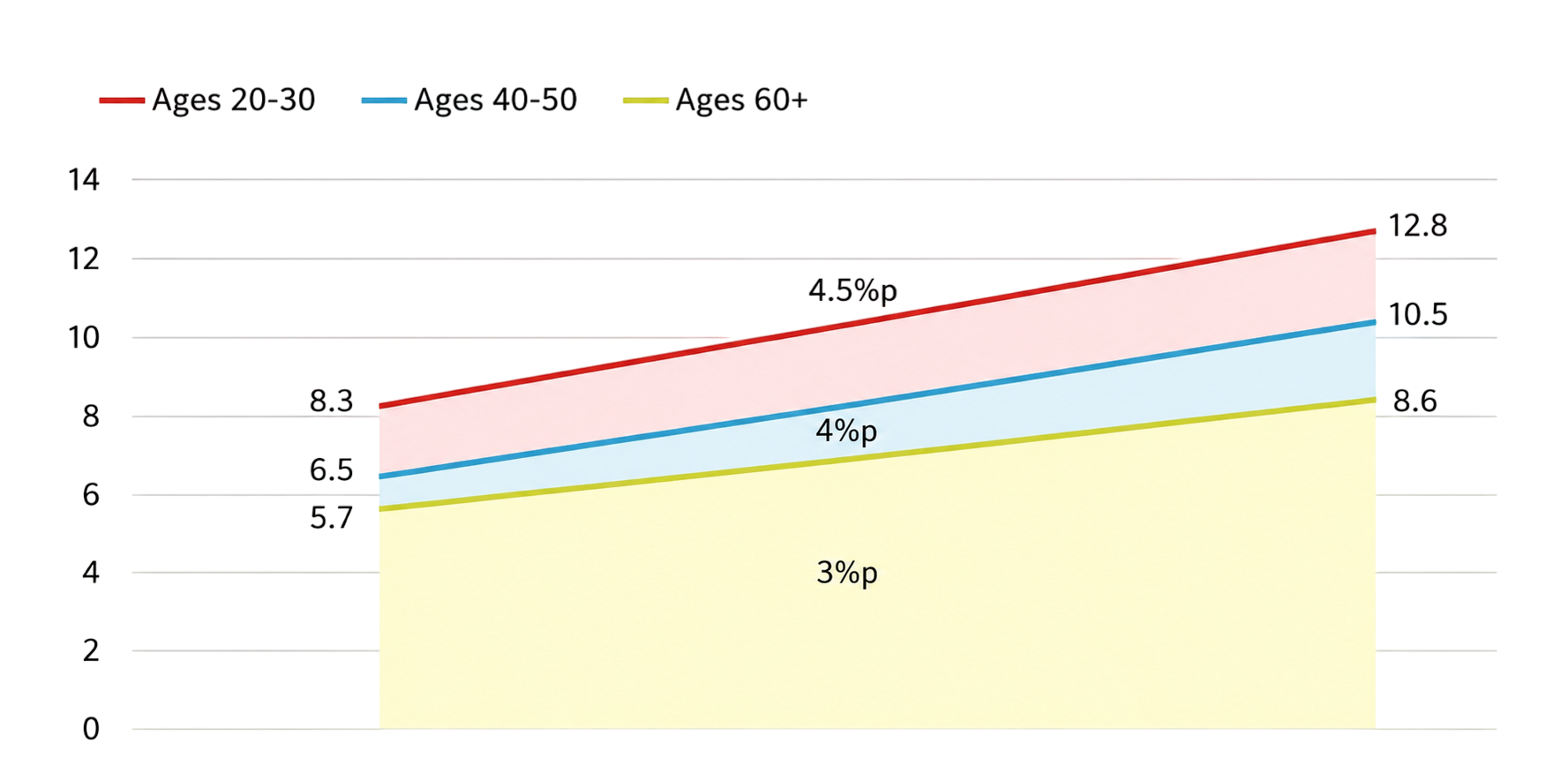
Figure 6. By Generation: Average proportion of changes in art assets (%)
II. What Are Korean Collectors Buying, and Where?
The survey found that Korean artists overwhelmingly dominated recent acquisitions, accounting for 81.1% of all purchased artworks. European artists (including artists from the United Kingdom) represented 8.6%, while artists from the United States and other Asian countries together accounted for approximately 10%.
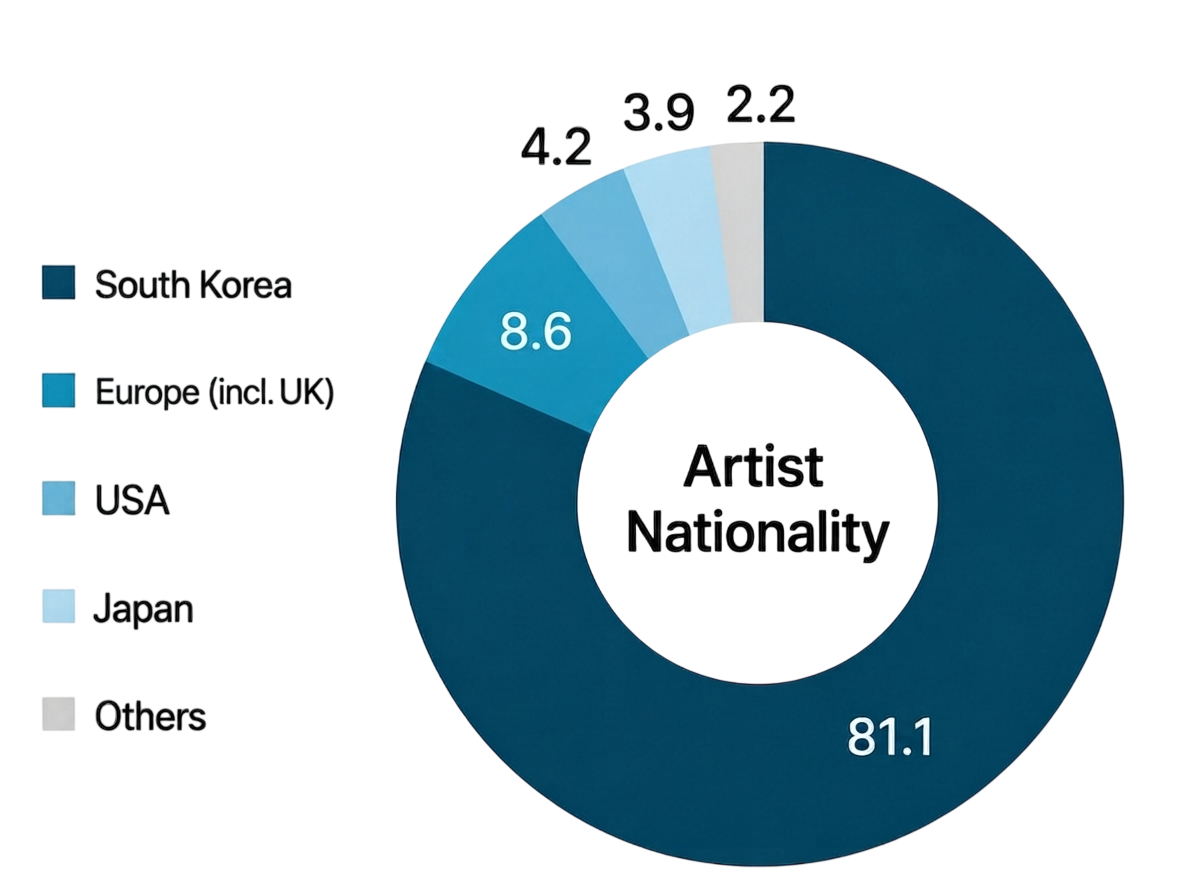
Figure 7. Collectors: Nationality of Recently Acquired Artists (Unit: %)
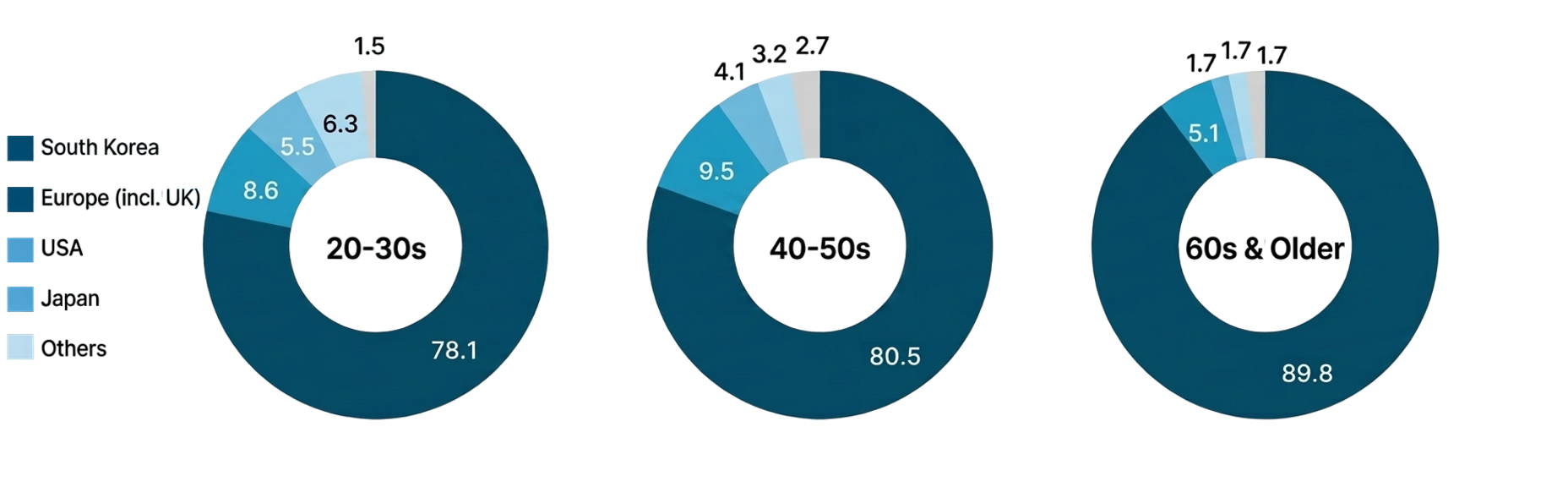
Figure 8. By Generation: Nationality of Recently Acquired Artists (Unit: %)
Nevertheless, younger collectors purchased fewer works by Korean artists and expressed stronger interest in acquiring works by European and American artists in the future. Interviews further showed that collectors increasingly prioritize artistic quality over nationality as their access to a wider range of artists and artworks continues to expand. These findings suggest that, as barriers to the global art market continue to decline, Korean collectors’ acquisitions are likely to become more diverse in terms of artists’ nationalities.
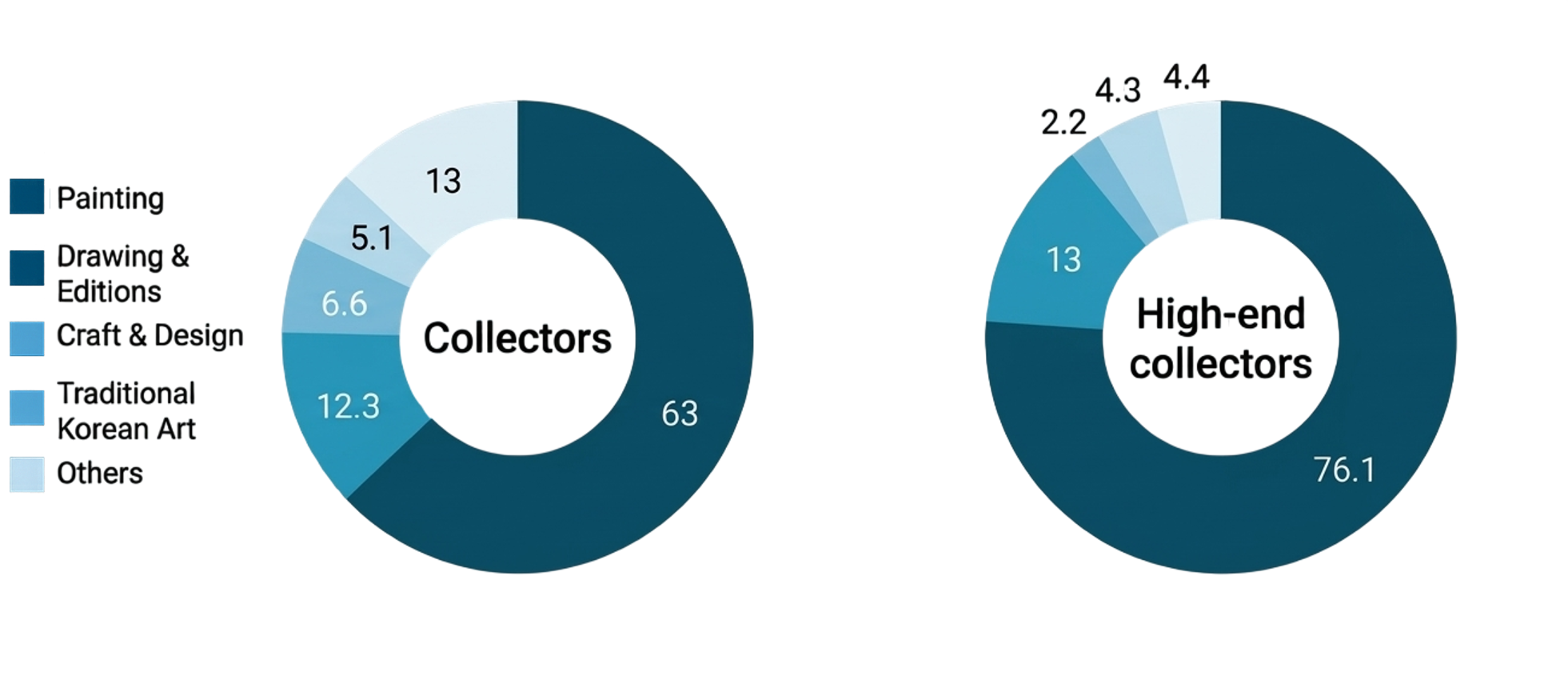
Figure 9. Collectors and High-End Collectors:
Type of Recently Acquired Artworks (Unit: %)
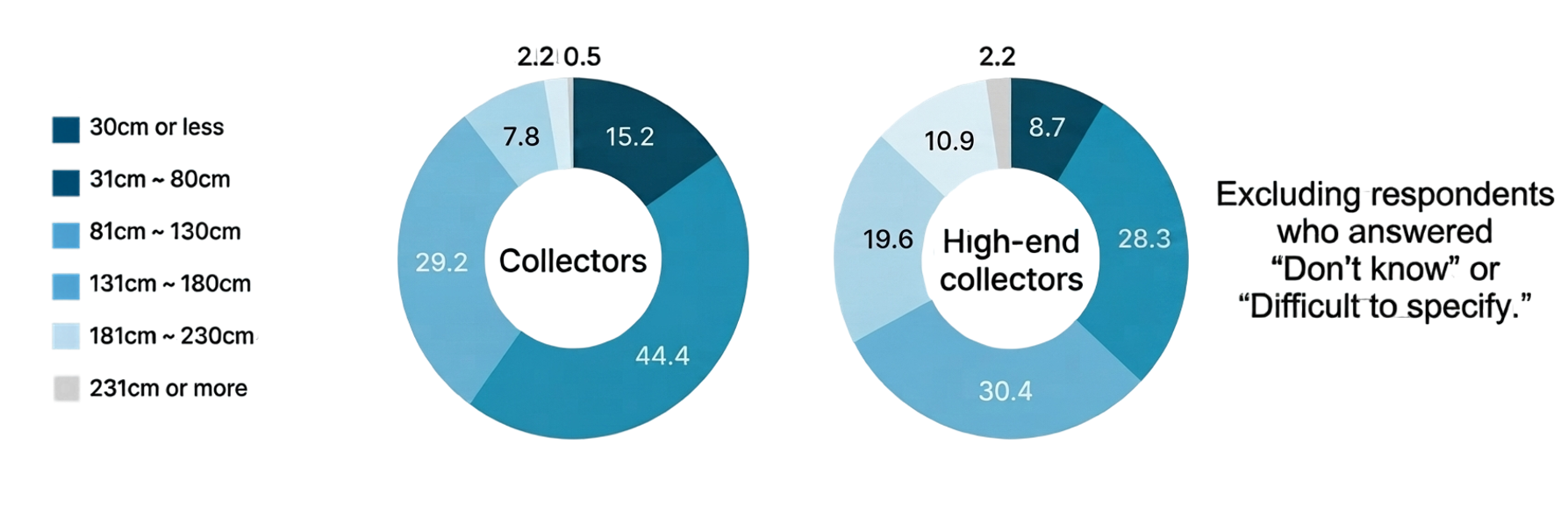
Figure 10. Collectors and High-End Collectors:
Size of Recently Acquired Artworks (Unit: %)
Painting remained the dominant medium, accounting for 63% of all purchases. Preference for paintings was even stronger among high-end collectors, reflecting their greater consideration of resale potential, ease of storage, and long-term preservation.
Regarding artwork size, 88.8% of purchased works measured less than 100×130cm—the size commonly referred to in Korea as the “100-ho” canvas format. High-end collectors, however, tended to acquire larger works.
Preferred styles also differed by generation. Younger collectors generally favored figurative works featuring characters or animation-inspired imagery, as well as conceptual art, media art, and Korean painting (Dongyanghwa, traditional East Asian ink-and-brush painting). By contrast, collectors aged sixty and above showed a stronger preference for abstract painting and works with a more expressive style.
Galleries were the most important purchasing channel, followed by art fairs and auction houses. However, the interviews revealed that many collectors perceived galleries as having relatively high psychological barriers to entry. This may help explain why first-time and less experienced collectors often prefer art fairs or online auctions, where they feel more comfortable exploring the market.
When selecting where to purchase artworks, collectors considered three factors most important: whether the desired artwork was available, whether the price was appropriate, and whether the transaction could be conducted safely and reliably. Transaction security was particularly important among collectors in their twenties and thirties, who largely consisted of first-time or relatively inexperienced buyers.
Taken together, these findings suggest that building trust in the purchasing process and lowering psychological barriers to entry may be just as important as expanding market size in attracting and retaining new collectors.
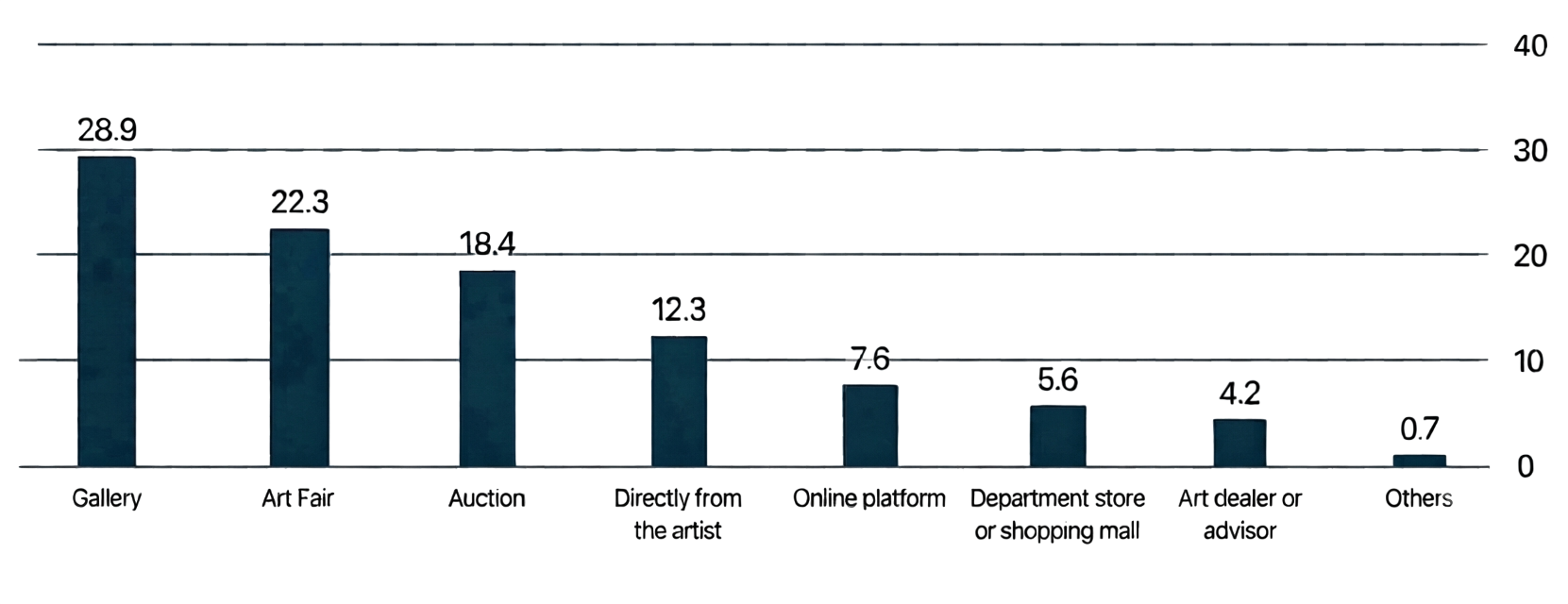
Figure 11. Collectors: Recent Acquisition Channels (Unit: %)
III. What Motivates Korean Art Collectors?
The survey asked respondents to select their reasons for purchasing artworks from a predefined list, with multiple responses allowed. Overall, the most frequently selected reasons were the enjoyment of appreciating art and the emotional satisfaction derived from living with artworks, followed by supporting emerging artists and contributing to the development of arts and culture. By contrast, reasons related to social status or purely financial investment were selected much less frequently.
For analytical purposes, these purchase reasons were grouped into four broader categories of collecting motivation—personal appreciation, artist support, symbolic identity, and investment. [Figure 11] illustrates the distribution of these four motivational categories across generations. Differences were also observed according to purchase level. Among high-end collectors, investment and symbolic motivations were relatively more prominent. These findings suggest that as artwork prices increase, collectors place greater emphasis on both the potential for future value appreciation and the social prestige associated with ownership.
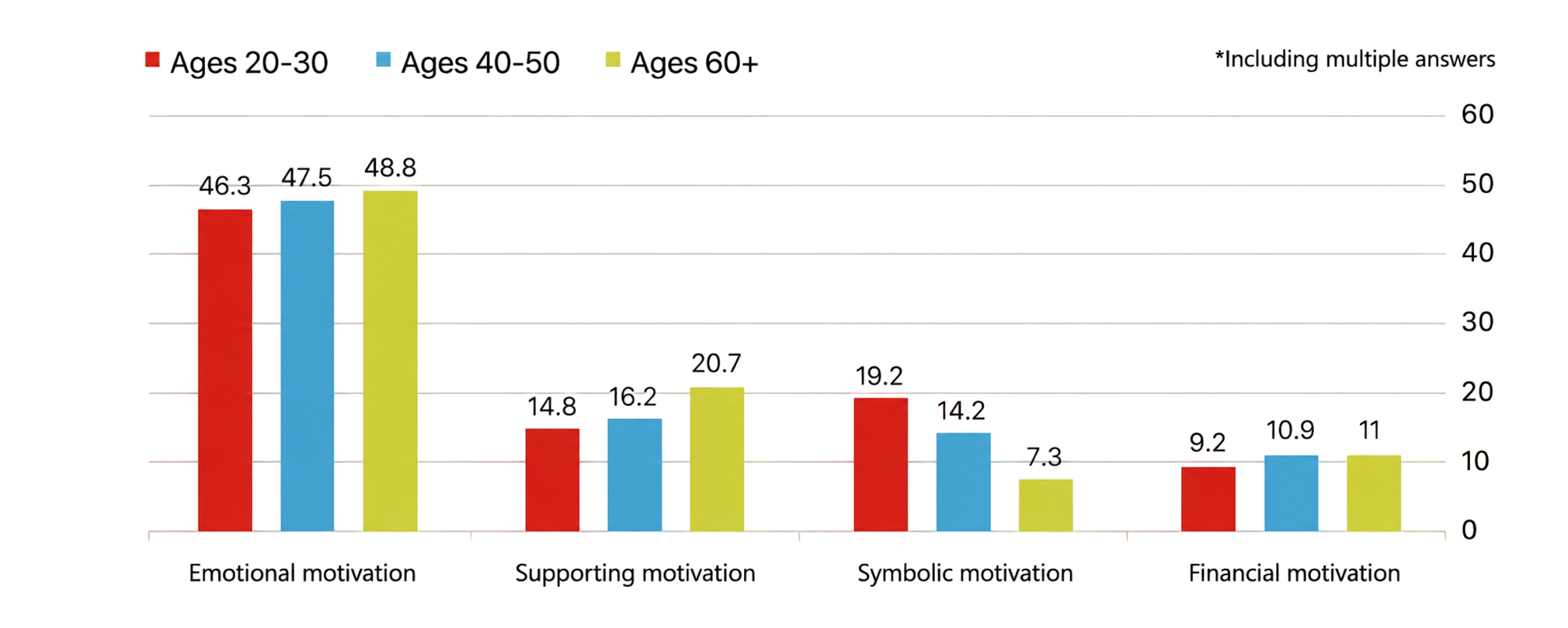
Figure 12. By Generation: Motivations of Collecting
(Multiple responses allowed, Unit: %)
The in-depth interviews revealed that collectors generally viewed personal taste and investment as complementary rather than conflicting motivations. For these collectors, having "good taste" also meant possessing the discernment to recognize artists whose work would gain greater recognition and value over time. In this sense, the financial appreciation of an artwork served not simply as an investment return, but also as validation of the collector's judgment. This finding suggests that, for many Korean collectors, commercial value is often understood as an outcome of informed aesthetic judgment rather than as its primary objective. At the same time, equating good judgment too closely with financial appreciation may reinforce a collecting culture in which market performance becomes the primary measure of artistic merit. Strengthening public understanding of the cultural and artistic value of art beyond its financial value, together with continued education, will be important in fostering a healthy collecting culture.
When deciding whether to purchase an artwork, respondents considered its artistic value to be the most important factor, followed closely by the availability of a certificate of authenticity. The importance of authentication was particularly pronounced among collectors in their twenties and thirties.
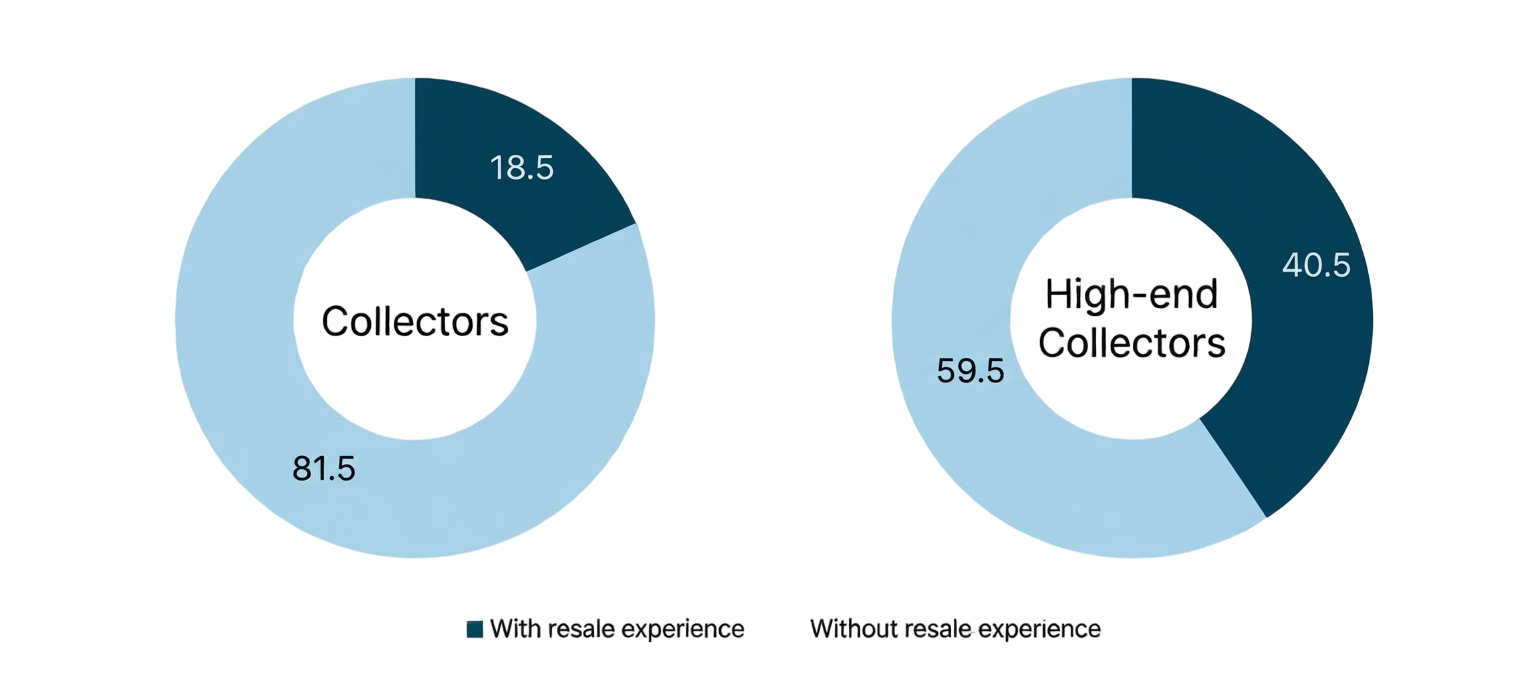
Figure 13. Collectors and High-End Collectors:
Recent resale status of the artworks
In terms of resale experience, 18.5% of collectors reported having resold artworks. Among high-end collectors, the proportion of respondents with resale experience was more than twice that of the overall collector population. The primary reason for resale was not short-term financial gain, but rather the desire to reorganize and refine one's collection by acquiring new works. Auction houses were the most frequently used channel for resale.
In terms of resale returns, 23.8% of collectors reported gains of 30% or more, while 47.9% earned returns below 30%, and 28.2% broke even or incurred a loss. Considering the holding period, returns on art transactions were generally not higher than those of other asset classes. These findings suggest that first-time collectors should approach claims that art is a highly profitable investment with caution.
Regarding holding periods, 58% of collectors reported holding artworks for more than five years before resale, whereas 76% of younger collectors reported reselling artworks within three years of purchase. Although the growing participation of younger collectors expands the collector base and supports market growth, their relatively short holding periods may also contribute to greater market instability. Ultimately, however, the more important question is not how quickly younger collectors enter the market, but what kind of collectors they eventually become.
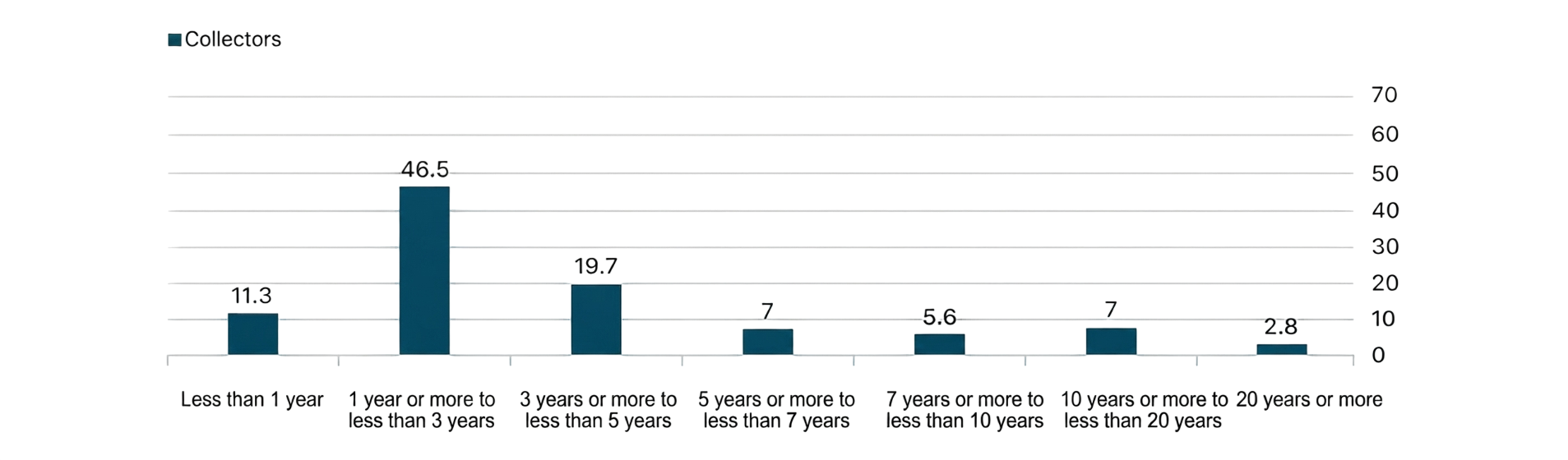
Figure 14. Holding Period of Resold Artworks (Unit: %)
IV. The Future of the Korean Art Market
Drawing on findings from both the survey and the in-depth interviews, this study introduces a three-stage model of collector development: Emerging Collectors, Developing Collectors, and Legacy Collectors. Although the boundaries between these stages are not fixed, the model describes a broad developmental trajectory through which collectors accumulate knowledge, experience, and responsibility over time.
Emerging Collectors are at the beginning of their collecting journey, typically with fewer than three years of experience. They are still exploring the market and may either leave it or develop into more committed collectors. In this study, they represented approximately 30% of respondents.
Developing Collectors generally have between three and ten years of collecting experience. They actively build their collections while developing their knowledge, experience, and collecting criteria. They accounted for approximately 50% of respondents.
Legacy Collectors generally have more than ten years of collecting experience. They collect selectively and focus on the long-term stewardship of their collections through preservation, resale, inheritance, and donation. They represented approximately 20% of respondents.
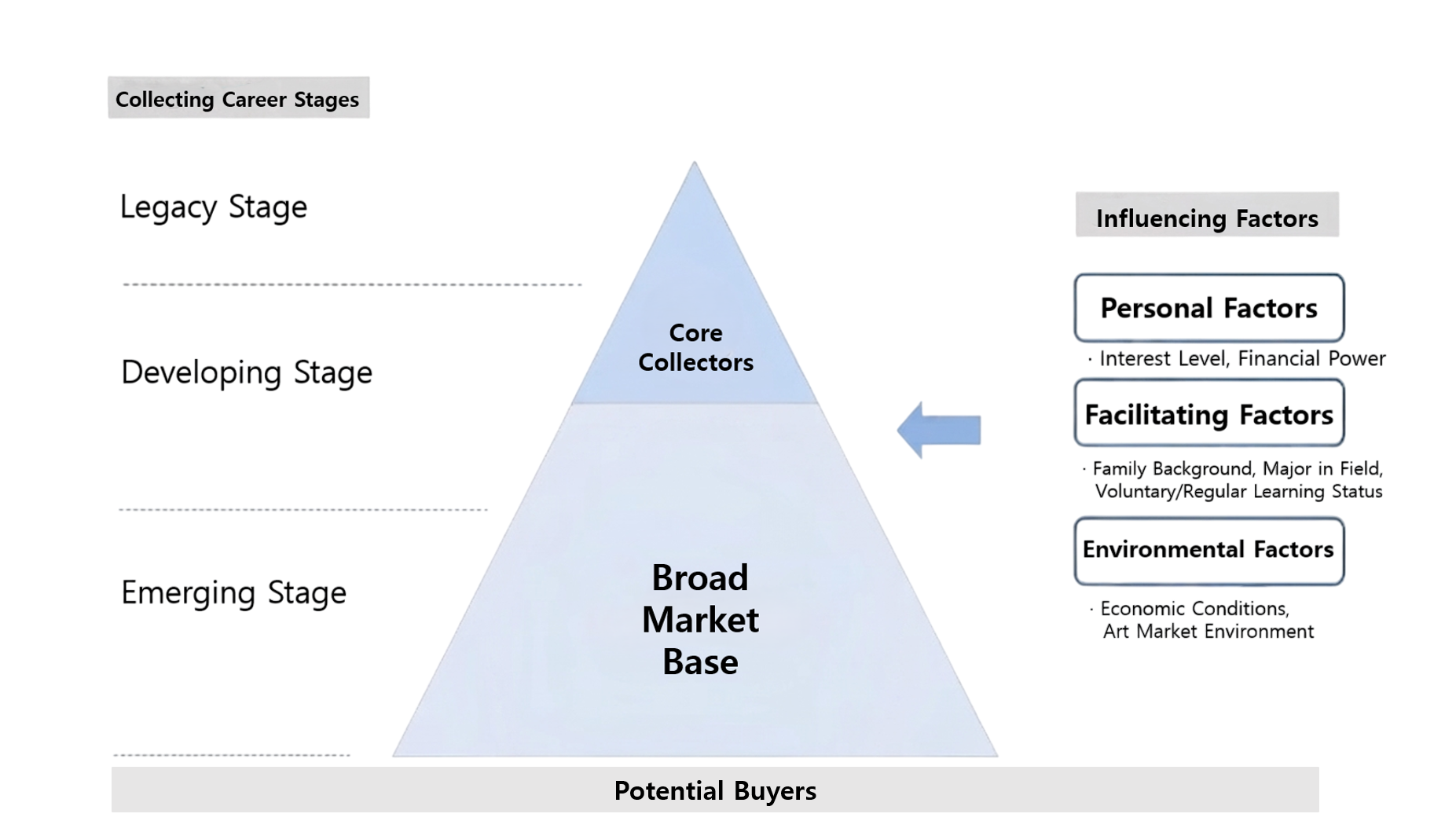
Figure 15. Collector Development Framework
When this three-stage model is applied to the survey findings, approximately 80% of the Korean collectors in this study are classified as either Emerging or Developing Collectors. This distribution indicates that the Korean art market still has considerable potential for further growth. However, sustainable market development requires more than an increase in the number of collectors or the volume of transactions. It also depends on collectors continuing to develop as they accumulate knowledge, establish their own collecting criteria, and come to recognize the broader cultural and social significance of collecting.
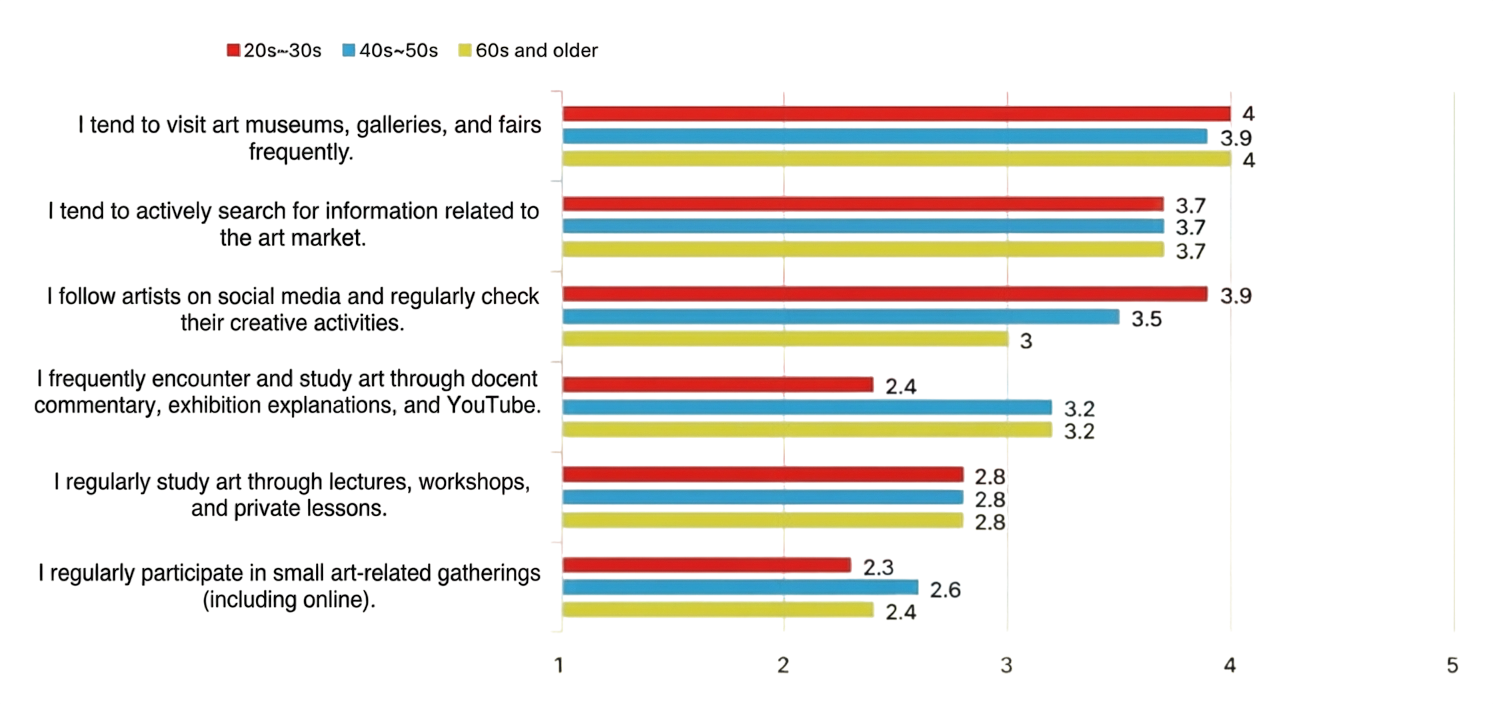
Figure 16. By Generation: Level of Art Engagement
(1 = Strongly Disagree, 5 = Strongly Agree)
The survey and interview findings indicate that many Emerging and Developing Collectors regard continuous learning as an essential part of becoming better collectors. This awareness was reflected in active learning as they regularly visited museums, galleries, and art fairs, actively sought information through online and offline sources, and participated in educational programs. As the largest segment of the collector population, their continued growth will largely determine the future development of the Korean art market.
The interviews further illustrated how collectors at the Emerging and Developing stages gradually reshape their perspectives, values, and collecting practices through repeated collecting experiences and continuous learning. As they continued collecting, many interview participants reported visiting more exhibitions, studying artists more deeply, and developing new perspectives for viewing and evaluating art. Several interview participants explained that, over time, they came to value collecting according to their own taste rather than following fashionable or commercially successful artists. This shift from following market trends to trusting their own judgment represents one of the clearest indicators of collector development. Among some participants, sustained learning also fostered a growing sense of responsibility toward the art ecosystem. One group established a shared fund to acquire works by emerging Korean artists for donation to museums in Korea and abroad. This example highlights an emerging profile of Korean collectors who actively participate in the art market while continuously learning. For these collectors, collecting is increasingly understood not only as a form of personal enjoyment or ownership, but also as a meaningful way to contribute to the development and sustainability of the Korean art ecosystem.
V. Conclusion
The findings of this study provide a generally positive outlook for the future of the Korean art market.
First, the continuous influx of new collectors is providing a solid foundation for the market's quantitative growth. Second, although collecting in Korea has traditionally focused on Korean artists, growing interest in international artists is likely to broaden collecting practices and further diversify the Korean art market. Third, Korea's strong culture of education is also reflected in the art market. Many collectors actively seek knowledge about art, artists, and the market itself, and this culture of continuous learning is expected to strengthen connoisseurship and support the healthy development of the Korean art ecosystem. At the institutional level, key measures under the Korean government's Art Promotion Act, being implemented this year and over the coming year—including the art services business registration system, mandatory certificates of authenticity, and the Artist's Resale Right—are expected to contribute to a more transparent and sustainable market environment.
The future development of the Korean art market will depend not only on increasing transaction volume, but also on fostering a virtuous cycle in which new collectors enter the market with confidence, grow through continuous experience and learning, and contribute to the long-term development of artists and the broader art ecosystem. An art market is shaped not only by the artworks it trades, but also by the collectors it cultivates. The findings suggest that Korean art collectors have the potential to drive this transformation and underscore the importance of continued efforts to improve the market environment and strengthen institutional support.
Henna Yeonhwa Joo
from | Professor, Hongik University Department of Art & Culture Management
Professor of Culture and Arts Management at Hongik University and Founder and Director of ArtLab Unlimited (ALU), an independent research and advisory platform focused on art markets and cultural policy. Before entering academia, she worked for two decades as a gallerist, curator, and collection advisor, collaborating with museums, galleries, artists, and private collectors in Korea and internationally. Her research examines art markets, collecting, cultural policy, and sustainable arts ecosystems. She also advises government agencies and national arts organizations in Korea. She holds a Ph.D. in Arts Management from Seoul National University.