Signal On Sale: Current State of Digital Art
Editor : Yumin KIM / Independent Curator Registration date: 2025-12-17
Editor : Yumin KIM / Independent Curator Registration date: 2025-12-17
Digital art has moved beyond experimentation, opening new horizons that connect art, the market, and institutions. Consequently, more artists are working with digital media such as video, computer graphics, algorithms, and VR, AR, and XR. In this context, the 2020–2021 NFT boom revealed digital art’s potential as both an asset and an institutional form. Some art museums and collecting institutions now recognize the limits of traditional conservation for handling the distribution, storage, metadata, and execution of digital works, and have begun reorganizing their management systems. Digital art is moving beyond mere “media extension” to become a key pillar of the art ecosystem by integrating institutions, technology, and distribution.
The Ministry of Culture, Sports and Tourism and the Korea Arts Management Service conceived Signal On Sale to examine recent changes in digital art and explore how it operates within a rapidly evolving technological environment. The event comprised an exhibition and a conference. The showcase, featuring 7 Samcheongdong galleries, presented 13 Korean and international digital artists, while the international conference discussed the digital art market’s present and future. The event centered on three key frameworks for understanding digital art: “SIGNAL·ON·SALE.” “Signal” highlights digital art’s continual recontextualization through distribution and reproduction, rather than as a single static image. “On” signifies how technology extends the senses beyond the screen, creating new modes of appreciation involving space, sound, and movement. “Sale” addresses how institutional conditions—including pricing, contracts, and preservation—shape an artwork’s distribution and longevity.
The conference, held at the Arts Korea Lab of the Korea Arts Management Service on 14 November last year, was structured around the SIGNAL·ON·SALE framework. The Signal session covered the current state and expansion of digital art. Session On comprised two artist talks and a presentation on digital art collection and preservation. Four showcase artists discussed their working methods and artistic practices in digital art. The Sale session featured expert presentations on the global digital art market from gallery and auction/art fair perspectives, followed by a Q&A. The event concluded with a talk by art market distribution specialists on the current state of the Korean market and future strategies.
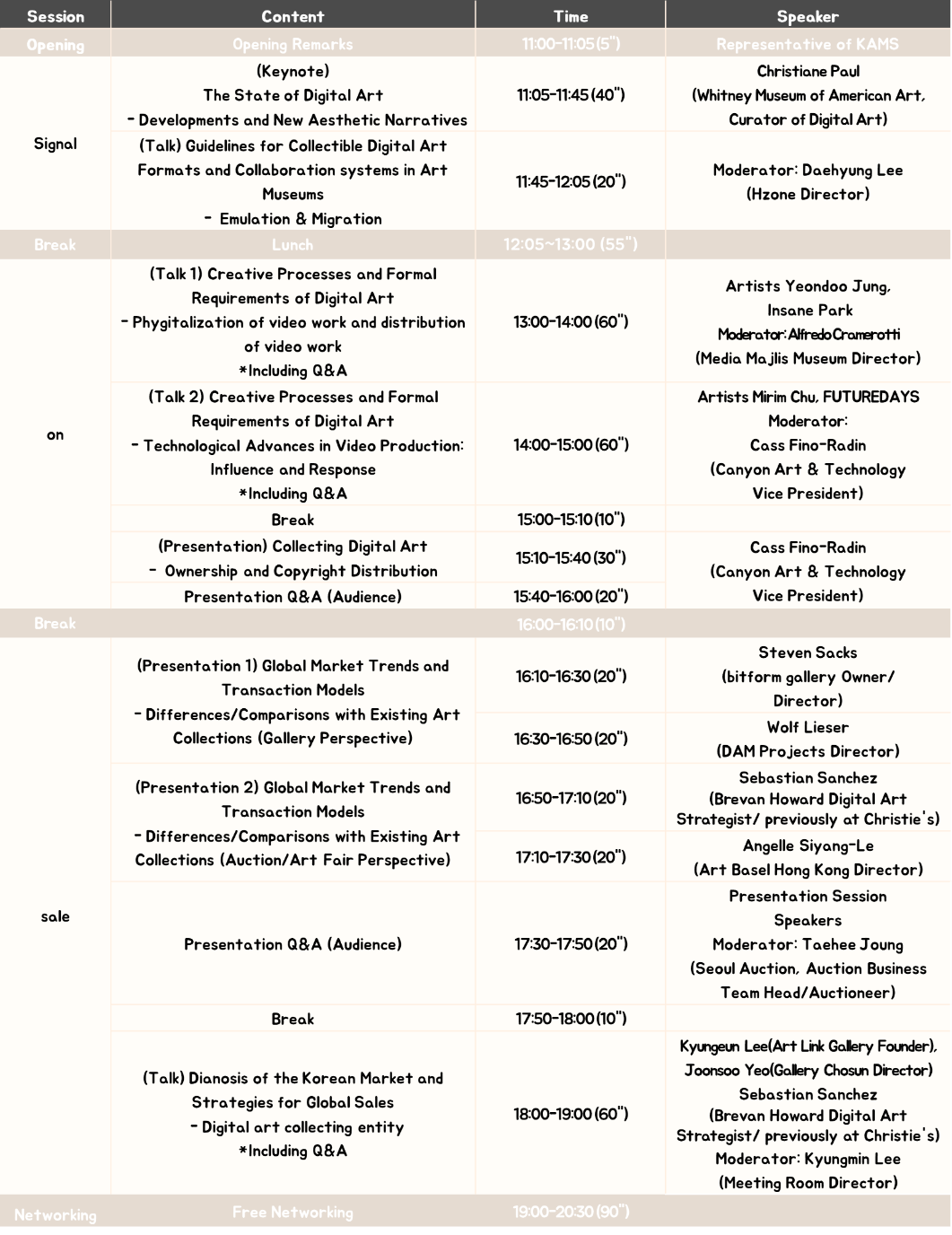
Signal : Form and Technology
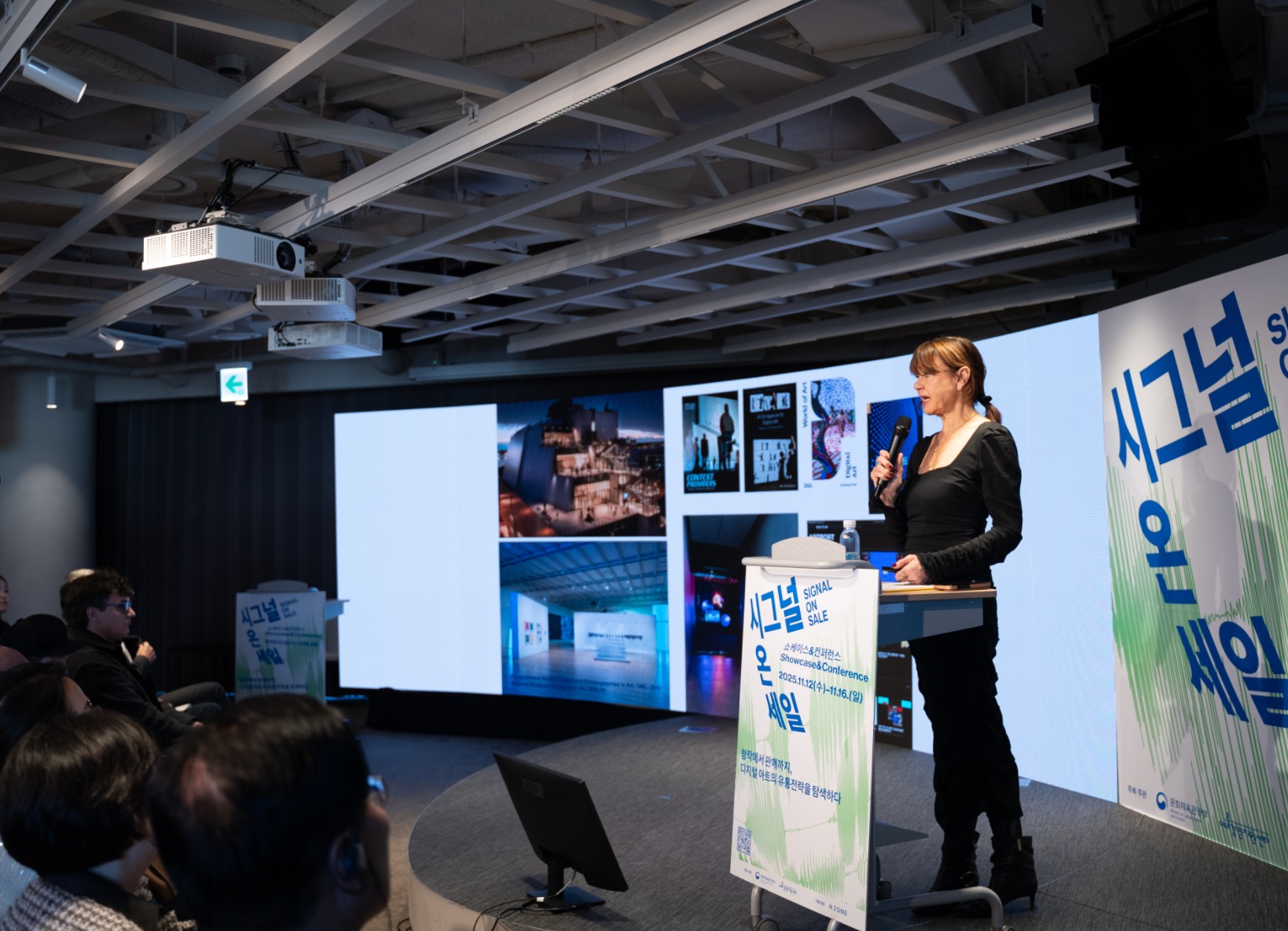
Fig. 1. Keynote speech of Signal : Christiane Paul (Curator of Digital Art, Whitney Museum of American Art)
The conference commenced with a presentation by Christiane Paul (Curator of Digital Art, Whitney Museum of American Art), who has over 25 years of experience overseeing digital art there. She traced its evolution from early algorithms to VR, NFTs, and AI, emphasizing that digital art is not just a product of technological progress, but an ongoing experiment in form, sensibility, and preservation. She noted that NFT works used merely as certificates of authenticity differ fundamentally from those that employ blockchain as the artwork’s structural and conceptual medium. Paul added that the continuity and narrative potential of NFTs remain an under-researched area, with significant scope for future expansion. Finally, she highlighted the need to distinguish between “AI art” and “art that uses AI as a tool,” explaining that only works engaging AI’s structure, ethics, and epistemology—beyond mere tool use—should be considered “AI art.”
In the ensuing discussion, Daehyung Lee (Director, Hzone) noted digital technology’s “flattening” effect, connecting the world while erasing cultural distinctiveness, and asked about its causes. Paul responded that AI optimization can overlook cultural context, stressing the need for datasets reflecting regional traits and small data. She added that systems must be designed and implemented to preserve cultural specificity, and that an environment is needed to strengthen data literacy while transparently sharing risks and limitations. Paul further highlighted that rapid technological change requires inter-institutional cooperation and open networks rather than rigid definitions, and that corporations, universities, and museums should collaborate on research without diluting data meaning. Strategies and dedicated organizations are also essential to properly preserve and manage digital works.
On : Sensation and Narrative
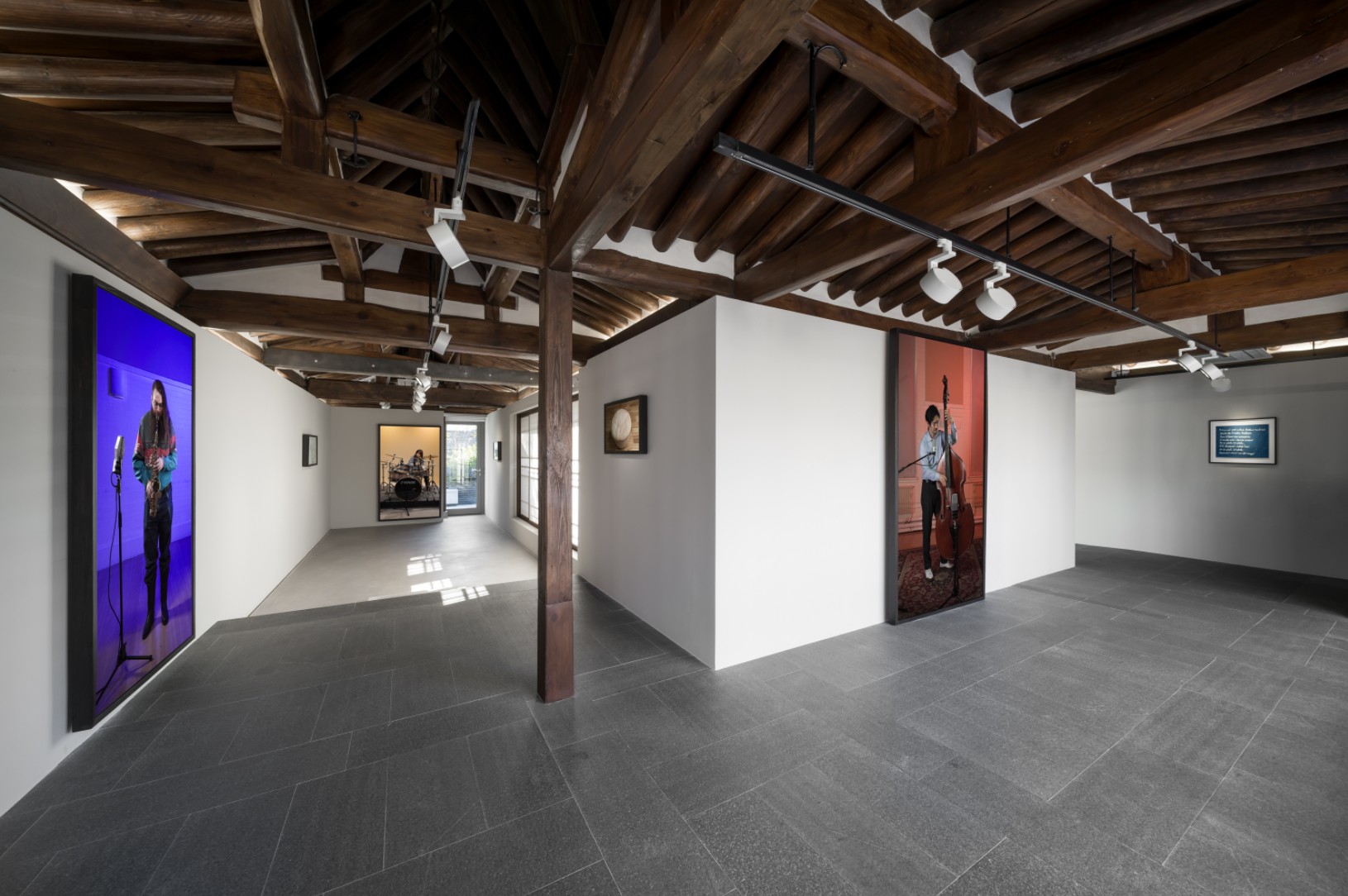
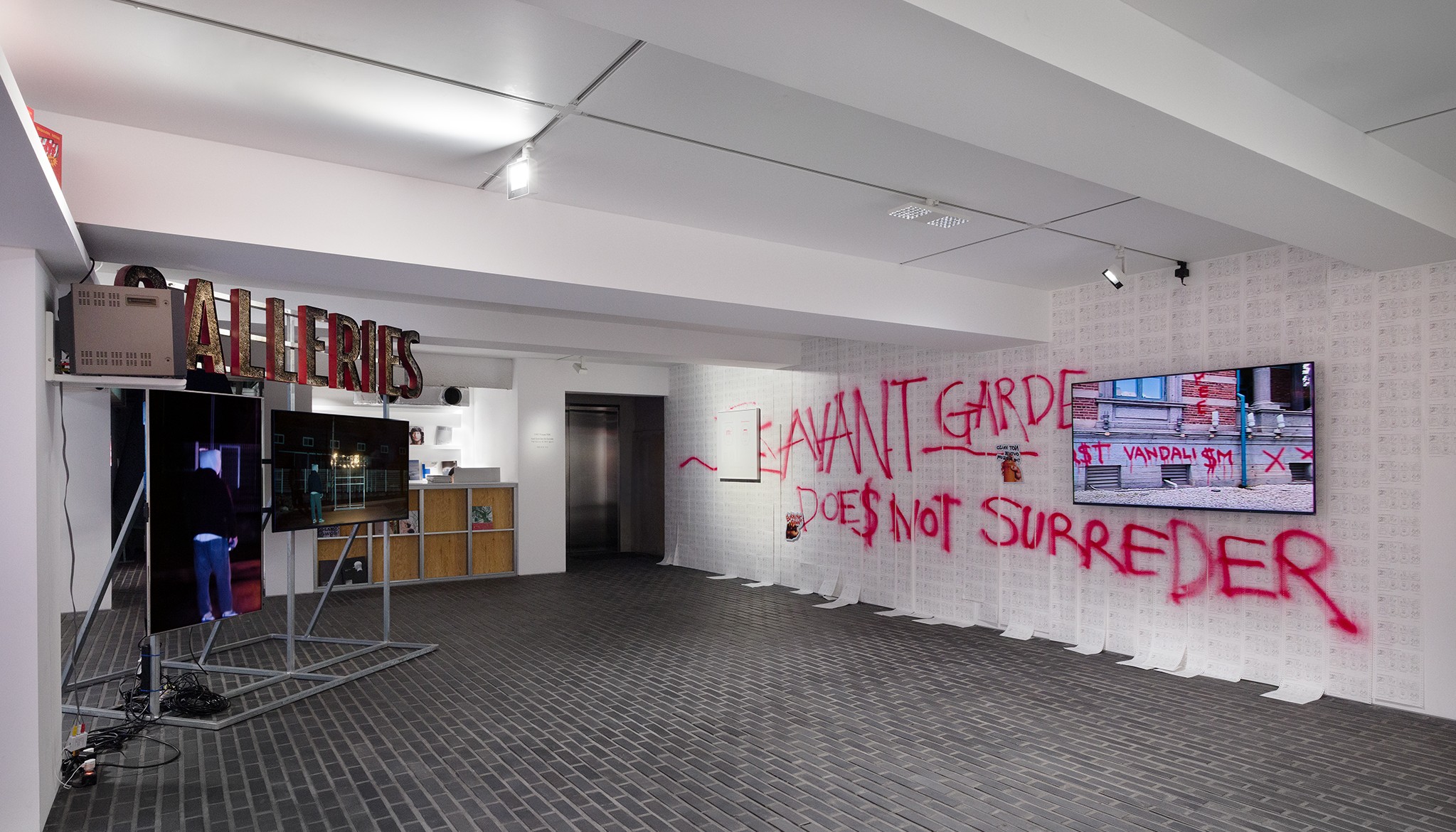
Fig. 2~3. Yeondoo JUNG 《불가피한 상황과 피치 못할 사정들》, installation view at Kukje Gallery Hanok(left) /
Insane PARK 《불가피한 상황과 피치 못할 사정들》, installation view at Arario Gallery Seoul (right)
The session, led by Alfredo Cramerotti (Director, Media Majlis Museum), discussed works by Yeondoo Jung and Insane Park, focusing on the phygitalization of video art and its modes of distribution. The discussion explored how the fusion of digital formats with objects and spatial installations reshapes sales, storage, audience experience, and sustainability. In Post Vandalism, Insane Park presented a method combining digitally produced fictional documentary footage with analogue objects, explaining that such physical elements can serve as future “evidence” of the work’s context amid the instability of digital storage. Yeondoo Jung introduced The Inevitable, Inacceptable at Kukje Gallery’s hanok, detailing his approach to integrating video, sound, and space into a unified experience. The production of Inevitable Blues as a limited edition demonstrated that, despite digital video’s infinite reproducibility, scarcity and traditional collecting practices can still be sustained. Jung emphasized that the core of the work lies in conveying specific sensory experiences, with recording and re-enactment posing the key challenge for digital preservation. He also highlighted that “intangible knowledge,” including the artist’s manual and the curator’s on-site experience, underpins the work’s sustainability. During the Q&A, along with practical issues like equipment replacement and technical instability, both artists noted that the essence of digital art is not in preserving technology itself, but in maintaining the operational conditions shaped by images, objects, and audience experience.
The second talk, moderated by Cass Fino-Radin (Art & Technology Director, Canyon), examined how advances in video production are reshaping artistic practice, featuring Mirim Chu and FUTUREDAYS. Mirim Chu, who began as a pixel icon designer, described a practice that treats pixels like paint, combining acrylic, mirrors, and paper collage to let audiences experience both inside and outside the screen simultaneously. She creates sculptures by enlarging microscopic elements such as pixels and icons, revealing intersections between screens, urban surfaces, and objects. FUTUREDAYS explores sculptural spaces where virtual and real worlds merge, using VR, AR, MR, spatial audio, and generative AI. They employ technology to expand performance temporality and immediacy, immersing audiences in narrative through sensory structures. The immersive intermedia opera A Place Called You, presented at this showcase, exemplifies the potential of future performance art by merging traditional opera’s audiovisual elements with immersive sensory experiences. Audiences can also engage with the event simultaneously from different locations via shipped head-mounted displays (HMDs) or remote viewing. In the Q&A, both teams addressed creative and reproduction challenges tied to digital technology. Mirim Chu described her practice as a "dialogue" with the computer’s proposed median values and noted that she is preparing manuals and update guidelines. FUTUREDAYS emphasized that technology is not merely a tool, but a condition for delivering and sustaining experiences, focusing on how these experiences can be maintained over time.
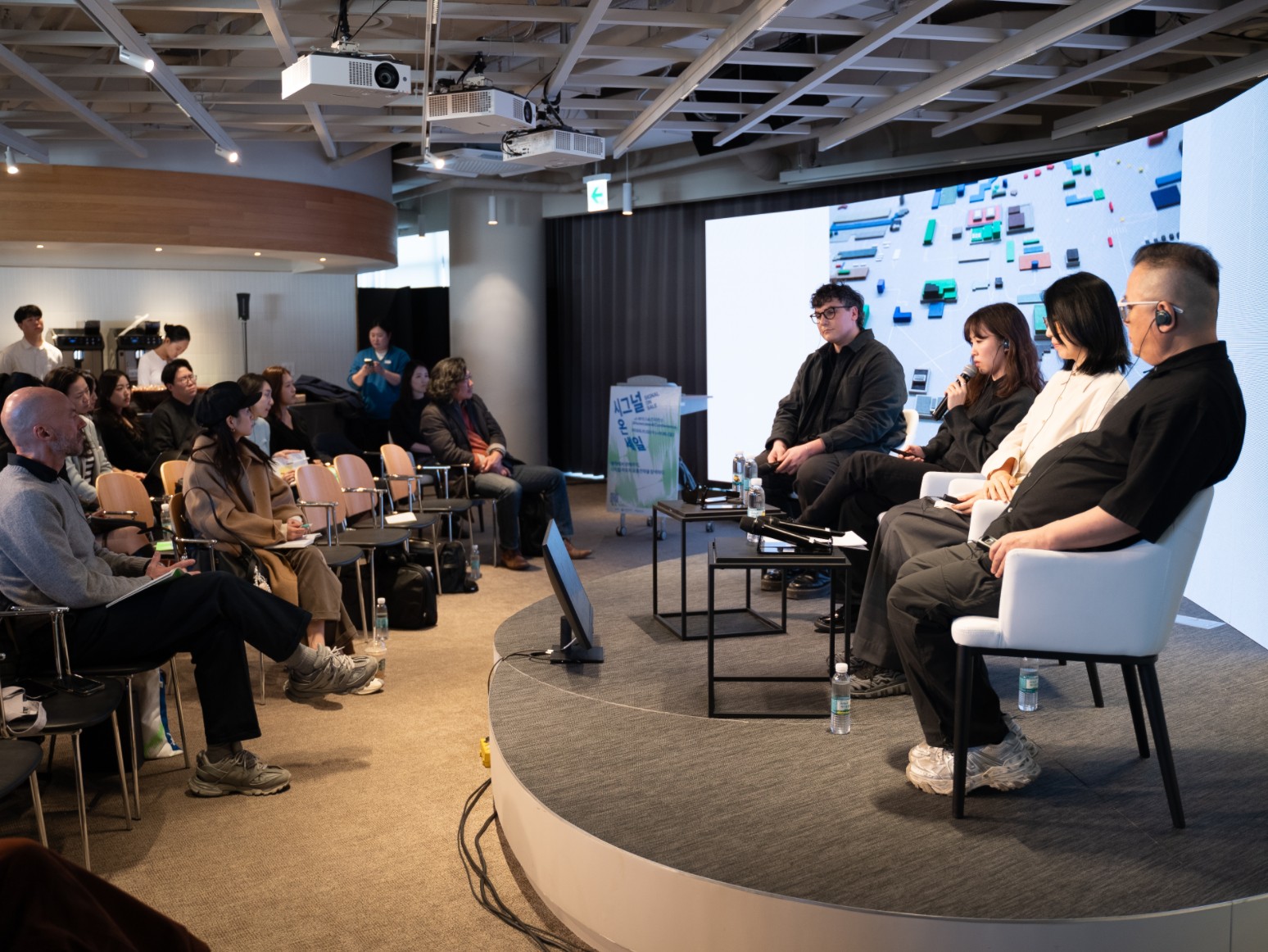
Fig. 4. Artist Talk of On : Artist Mirim CHOO, Futuredays / Moderator Cass Fino-Radin (Canyon Art&Technology Vice President)
Following the talk, Cass Fino-Radin highlighted that despite digital art’s strong technological foundation, its sustainability is threatened by a lack of economic and institutional support. Essential updates and technical upkeep place the burden on galleries, collectors, and museums, perpetuating a vicious cycle. Limited technical literacy, unclear responsibilities, and traditional commission models make digital art “a difficult genre to trade." However, he emphasized that new models—such as shared ownership, service-based maintenance, and licensing or rental distribution—are transforming digital art from a static object into a work of ongoing management. During the Q&A, he immediately pointed to basic research and R&D as the most needed form of national support. Unlike other media, a single technical issue in digital art can affect thousands of works. He argued that whereas 20th-century art relied on scarcity and ownership, 21st-century digital art requires ”an ecosystem of maintenance“ grounded in care, operation, and collaboration.
Sale : Distribution and Trust
The Sale session examined global market and trading models, highlighting differences from traditional art collecting from gallery and auction/art fair perspectives. Steven Sacks (Owner, bitform gallery) and Wolf Lieser (Director, DAM Projects) delivered the opening keynotes. Both have over 20 years of experience in media and digital art, running galleries in New York and Berlin from the market’s early days through its restructuring after NFTs. Sacks explained that while digital art began as a technology- and code-based experiment, its market was limited by the lack of galleries and infrastructure. He pointed out that although the NFT boom created new demand, it diluted the context of existing artists’ work and reduced art to mobile-based assets. As galleries faced challenges in technology, conservation, and crypto pricing, media art expanded toward physical objects. He also stressed the gallery’s role in educating collectors about the historical context and experimental roots of early digital art.
Wolf Lieser distinguished NFTs from traditional digital art, emphasizing its historical context and enduring value. He noted that early digital art markets were shaped by galleries, while museums largely began collecting through donations. The NFT boom, he added, catalyzed a broader institutional reevaluation of digital art beyond mere commercial hype. Both presenters highlighted that as crypto transactions and online platforms expanded the digital market, these new distribution methods increasingly align with established art institutions. Amid these shifts, the growing importance of galleries was emphasized as collection methods are reinterpreted for the digital age.
From the auction and art fair perspectives, Sebastian Sanchez (Digital Art Strategist, Brevan Howard) and Angelle Siyang-Le (Director, Art Basel Hong Kong) examined changes in the digital art market. Sanchez explained digital ownership at auctions, noting that blockchain records enhance transparency, immediacy, and direct artist-collector relationships. Siyang-Le discussed how Art Basel Hong Kong has ‘spatialized’ digital art and expanded its accessibility, explaining that the fair has broadened its digital presentations since the pandemic began by introducing a section for large-scale and hybrid installations. She also noted that the rise of Asian MZ collectors, galleries’ adoption of cryptocurrency, and new institutional and corporate sponsorships are driving rapid changes in the fair ecosystem. In summary, auctions enhance market transparency and liquidity, while fairs connect digital works to physical experiences, thereby increasing accessibility. Together, the two domains are establishing ‘digital ownership standards’ and an ‘exhibition-based consensus’ through their respective strengths.
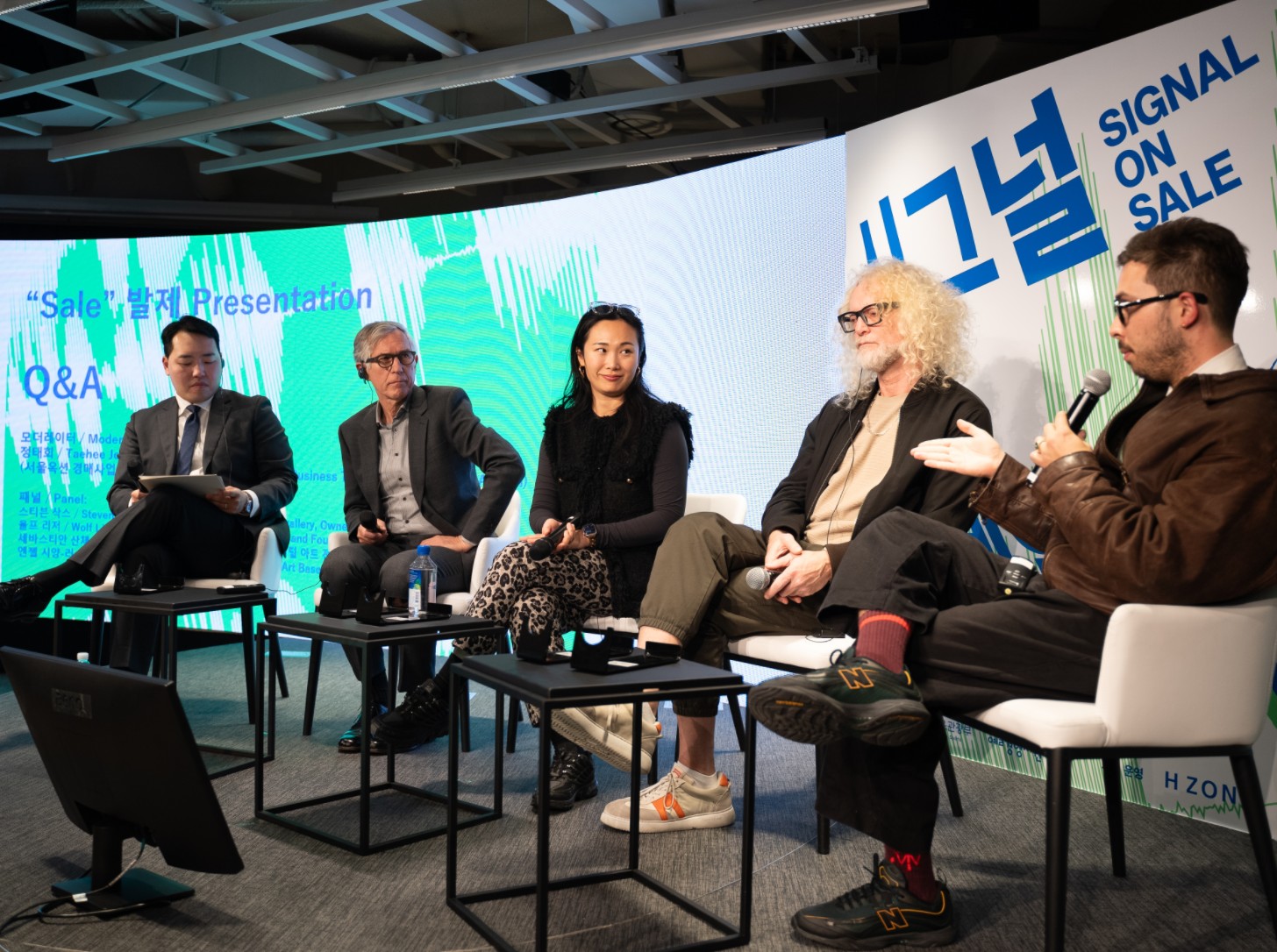
Fig. 5. Presentation Q&A of Sale : From left: Moderator Taehee JOUNG(Seoul Auction Auction Business Team Head/Auctioneer) / Wolf Lieser (DAM Projects Director),
Angelle Siyang-Le (Art Basel Hong Kong Director), Steven Sacks (bitforms gallery Owner/Director), Sebastian Sanchez (Brevan Howard Digital Art Strategist/previously at Christie's)
The Q&A focused on the real-world distribution and preservation of digital art within existing art market institutions. The panellists highlighted the dual nature of blockchain-based transactions: while blockchain ensures transparency in transactions and ownership, prices permanently recorded during speculative phases can contribute to market volatility. It was also observed that high-value collectors increasingly trade directly without intermediaries, while NFT secondary markets circulate far more rapidly than traditional art markets. The discussion then turned to practical issues surrounding digital art preservation and contractual frameworks. Galleries and artists typically establish contract terms that cover technical requirements, maintenance, licensing, and source code disclosure. As source code is shared for long-term preservation, participants noted that standards of originality may need to be redefined. The potential for public and institutional exhibitions emerged as a key question. Digital works can be flexibly displayed on existing screens, generating new demand; however, differing practices in installation, preservation, and licensing indicate that the sector remains in transition. Meanwhile, there was broad agreement that the MZ generation—already fluent in online environments—naturally engages with digital art. The growth of the digital art market thus reflects structural shifts in collector demographics rather than a passing trend.
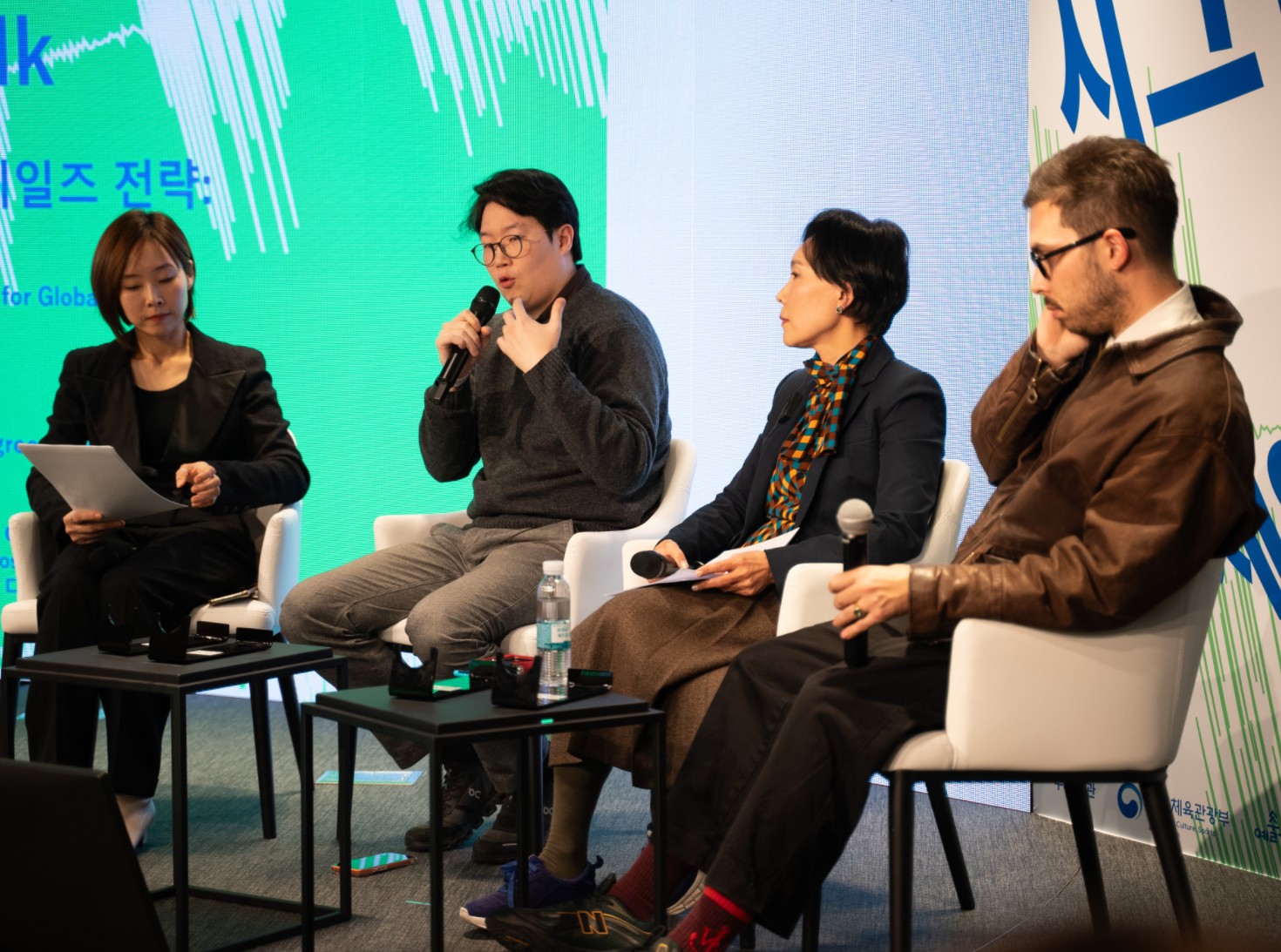
Fig. 6. Talk of Sale : From left: Moderator Kyungmin LEE(Meetingroom Director) / Joonsoo YEO(Gallery Chosun Director), Kyungeun LEE(Artlink Gallery Founder),
Sebastian Sanchez (Brevan Howard Digital Art Strategist/previously at Christie's)
The conference concluded with a panel discussion, moderated by Kyungmin Lee (Director, Meeting Room), focusing on the current state of the Korean digital art market and global sales strategies. Kyungeun Lee (CEO, Art Link), Joonsoo Yeo (Director, Gallery Chosun), and Sebastian Sanchez shared insights into key challenges and prospects in the field, drawing on their professional experience.
The first topic addressed strategies for collecting and trading digital art. Because digital media allows infinite replication, defining scarcity and originality has become a central challenge. Sanchez emphasized transparent on-chain contracts through minting, while Gyeongeun Lee advocated a viewing-experience–centered distribution model rather than reliance on physical editions. Joonsoo Yeo discussed exhibition-related technical constraints and strategies, including large-file management and long-term preservation using blockchain technologies and secure USB drives. The discussion then moved to community strategies. The panellists agreed that while a global distribution infrastructure for digital art is already in place, trust in collecting in Korea depends heavily on locally grounded communities attuned to linguistic and cultural contexts. Joonsoo Yeo noted that a gallery’s internal network functions as a community, strengthened through the interplay of online and offline engagement. Phygital sales strategies also emerged as a key focus. The panellists observed that combining physical exhibitions with digital interaction enhances audience immersion and can drive sales. However, they also noted that long-duration video works and installation-based pieces continue to face significant market challenges. Finally, the lack of technical, conservation, and installation infrastructure was identified as a structural barrier to market growth. Equipment maintenance, system updates, and repairs remain major obstacles for collectors, prompting calls for public-sector R&D initiatives and archival systems to address these gaps. Sanchez underscored the importance of practice-based, “on-the-job training” supported by concrete examples. The Q&A further highlighted positive evaluations of Korean galleries’ efforts, as well as growing collaboration with non-profit organizations.
Signal On Sale addressed the question “Why digital art now?” from a structural and institutional perspective. Its key achievement lay in articulating both the sensory potential of digital art and the practical conditions required for its sustainability through the combined format of exhibition and conference. The next step is to translate these insights into a concrete implementation plan, with Signal On Sale serving as the point of departure.
from | Independent Curator
She has organized and managed a wide range of cultural and artistic initiatives at museums, cultural foundations, and art galleries. Through exhibitions and projects, she continues to explore the relationship between audiences and art, further expanding her curatorial practice.