Amidst a Time of Monumental Change: What Did Korean Art Museums Exhibit?
Editor : Wonseok KOH / Director, Line Cultural Foundation Registration date: 2025-09-19
Editor : Wonseok KOH / Director, Line Cultural Foundation Registration date: 2025-09-19
The first thought upon receiving the request to analyze major domestic museum exhibitions from 2024 to 2025 was that the period was defined by political and social turmoil. This turbulence overshadowed the spectacle of the art scene. Indeed, the unpredictability of reality—especially when contrasted with art—is a defining characteristic of Korean society throughout modern and contemporary history. The global fervor for K-content, rooted in a realism that borders on the surreal, also stems from this characteristic. However, during this period, Korean society was especially chaotic. At the heart of it all was political turmoil: a healthcare crisis, the declaration of martial law, the president's impeachment and arrest, and a sudden presidential election. Beyond that, society faced pressing issues such as the shift to a "super-aged society," the world’s lowest birth rate, and the looming regional depopulation crisis. The art world also saw major news, including the Nobel Prize in Literature for Korea and the growing global fandom for Korean pop culture.
In such an environment, how did art and exhibitions manifest? Of course, museum exhibitions are planned at least one or two years in advance, so there’s inevitably a time lag between exhibitions and real-world occurrences. Nevertheless, the disturbances and incidents that unfolded during this time cannot be said to have sprung up out of nowhere. The exhibitions in Korean art galleries during this period can be described as “prepared amid rising turmoil and presented during full-blown chaos.” Against this backdrop, I explore several recurring keywords in major Korean art exhibitions.
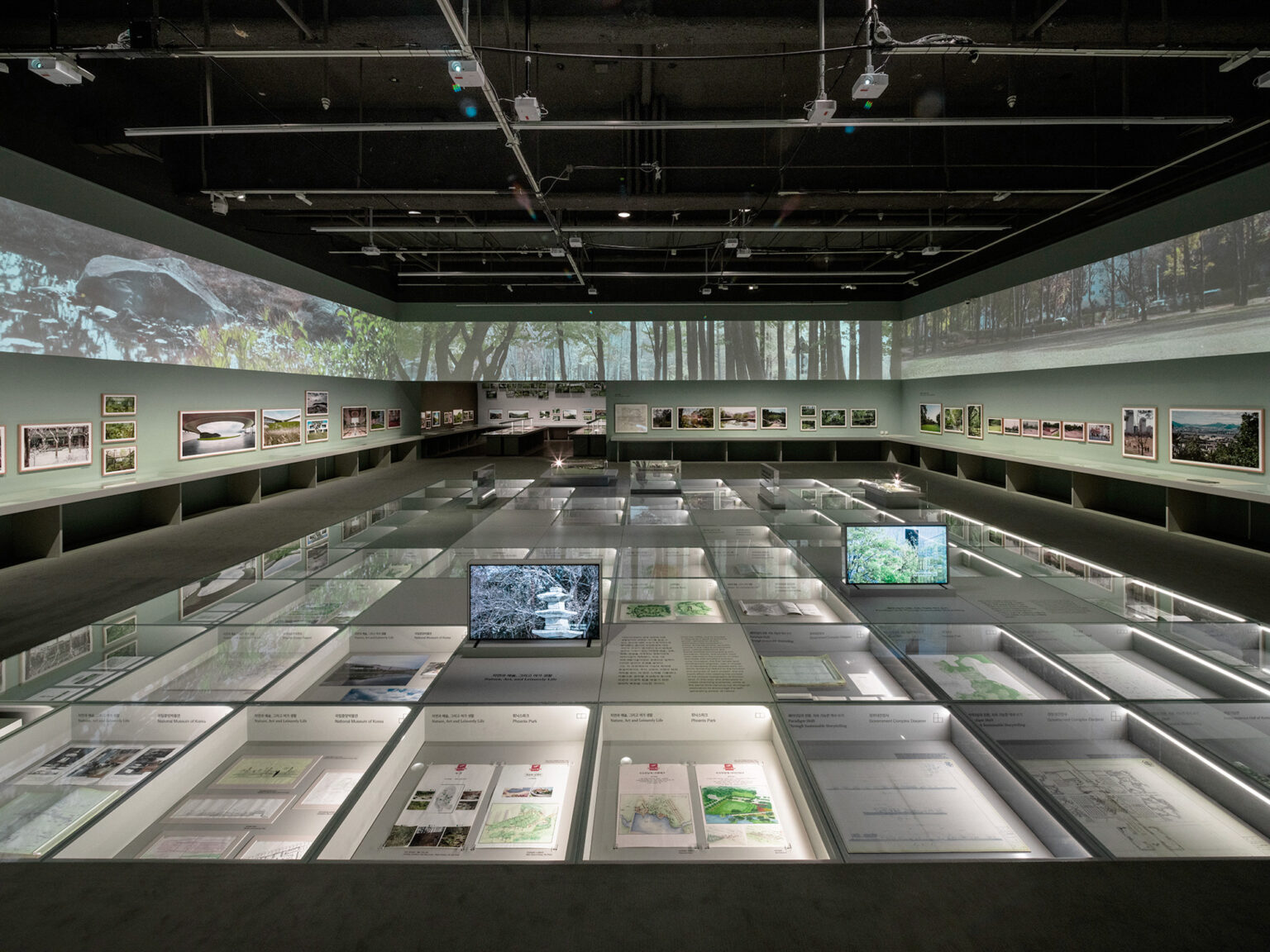
Jung Youngsun: For All That Breathes On Earth, MMCA ⒸMMCA
#Ecological transition and planetary imagination
The first keyword to emerge was “ecological transition and planetary imagination.” An ethical, responsible attitude toward the environment has been widely acknowledged in the international art world, but the Korean art world has been slower to take a leading role in this discourse. Recently, attempts have emerged to move beyond raising environmental awareness, seeking instead to reconfigure the human–environment relationship through ecological transition and to expand this imagination to a planetary scale.
The National Museum of Modern and Contemporary Art (MMCA)’s exhibition Jung Youngsun: For All That Breathes On Earth highlighted the artist's approach, transforming Korea's indigenous environment into an ecological practice beyond landscape architecture. The Art Archives Seoul Museum of Art's new exhibition, Earth, Once More: Responding with a New Sensibility, explores non-anthropocentric ways of perceiving the Earth and forming new relationships. Gyeonggi Museum of Modern Art's exhibition Memory, Stare, Wish, marking ten years since the Sewol Ferry Disaster, linked social catastrophe to the marine ecosystem. Jeonbuk Museum of Art's Nothing to Waste addressed waste issues, while Koo House Museum's 1.5°C: Threshold of the Climate Crisis and Art Sonje Center's Undo Planet: Memory (Im)Material Flow explored climate change and ecological concerns. The 2025 exhibition Unnatural at the Daecheongho Environmental Art Festival, held annually at the Cheongju Museum of Art’s Daecheongho branch, foregrounded social awareness of gradual environmental destruction and disaster. The Seoul Museum of Art (SeMA)’s 2025 theme “Planet” reflects a shift toward planetary thinking, moving beyond anthropocentrism and recognizing the agency of non-human beings.
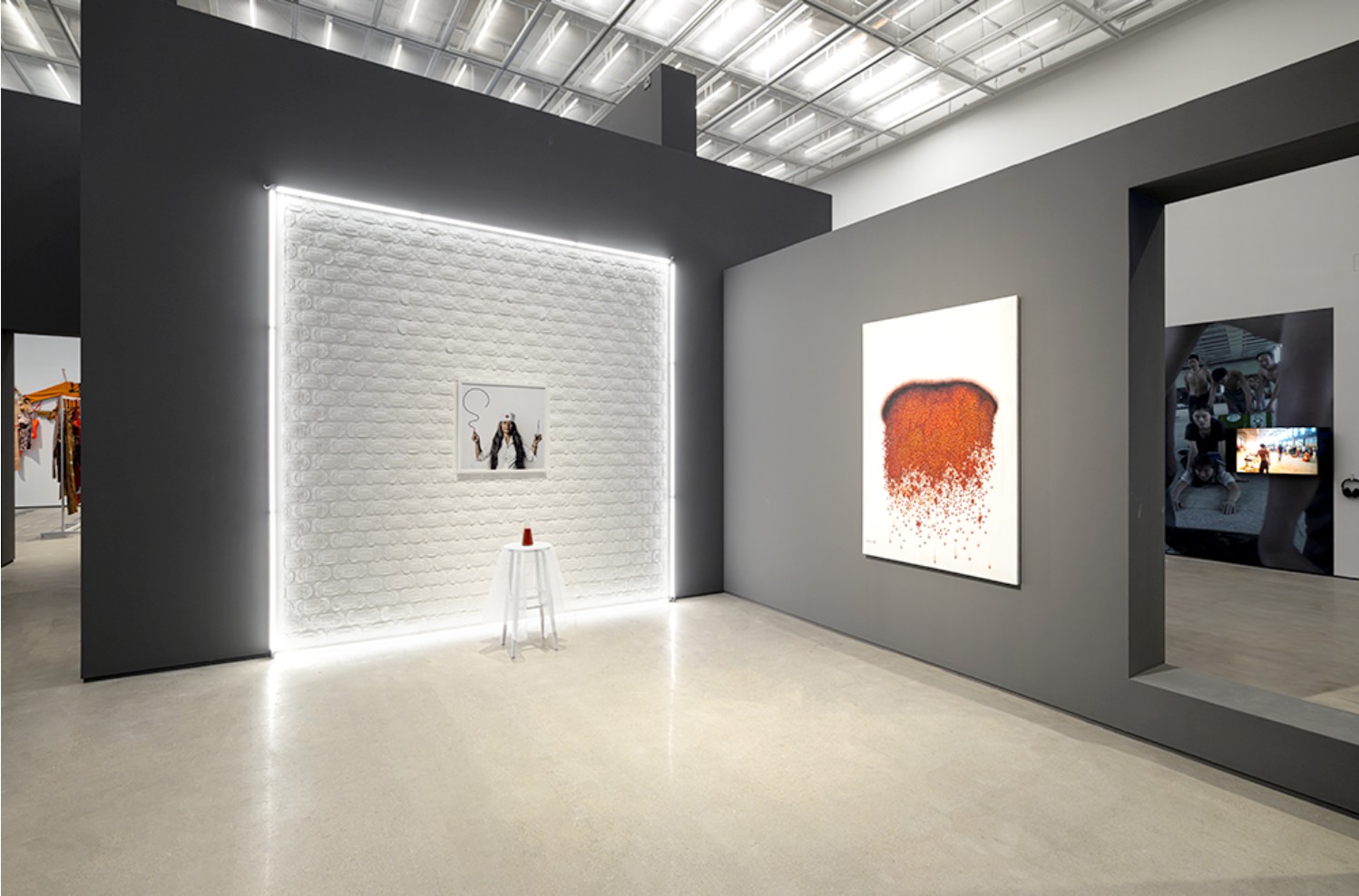
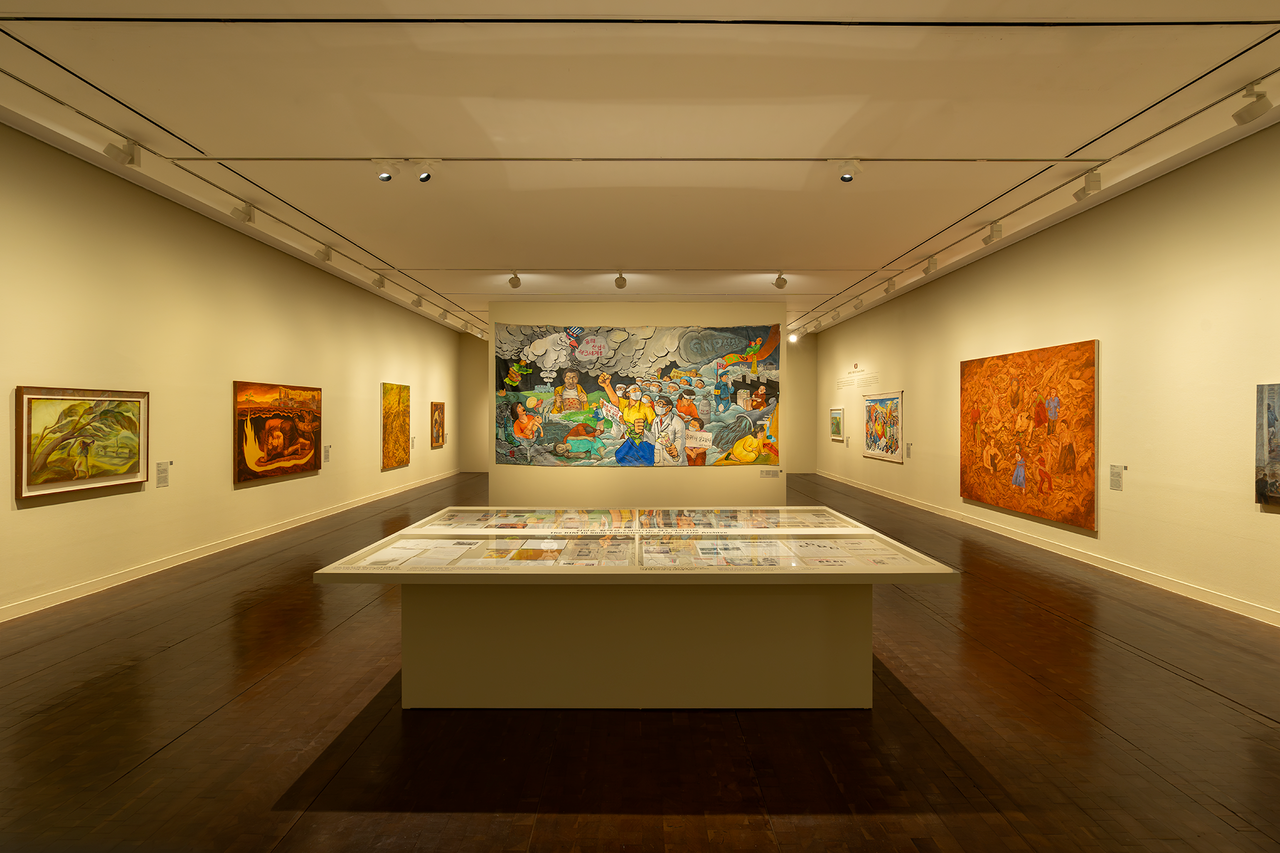
Connecting Bodies: Asian Women Artists, MMCA ⒸMMCA (LEFT) / The Kim In Soon Collection: Rise Up for Life, SeMA ⒸSeMA (RIGHT)
#Women and the Body
“Women and the Body,” a prominent global theme in contemporary art, drew unprecedented attention in the Korean art scene during 2024–2025. There is a growing effort to recover marginalized women's narratives and embrace diverse bodies beyond “normality,” linking them to care, solidarity, and interdependence.
MMCA’s Connecting Bodies: Asian Women Artists explored transnational female solidarity by connecting shared physical and social experiences across countries and generations through the themes of “body” and “connection.” The exhibition Inclining Bodies: Looking After Each Other reinterpreted “vulnerabilities” such as disability, illness, and aging not as deficits, but as conditions for interdependence. Exhibitions such as SeMA’s The Kim In Soon Collection: Rise Up for Life, Busan Museum of Contemporary Art (Busan MoCA)'s Hilma af Klint: Proper Summons, Sungkok Art Museum's Rosemarie Trockel: Selected Drawings, Objects and Video Works, Hoam Museum of Art's Louise Bourgeois: The Evanescent and the Eternal, and the Leeum Museum of Art's Lee Bul: From 1998 to Now highlight globally renowned female artists who have long explored the body and identity. These exhibitions demonstrate that the body is a political site where social oppression is inscribed even as resistance and liberation begin, beyond mere biology.
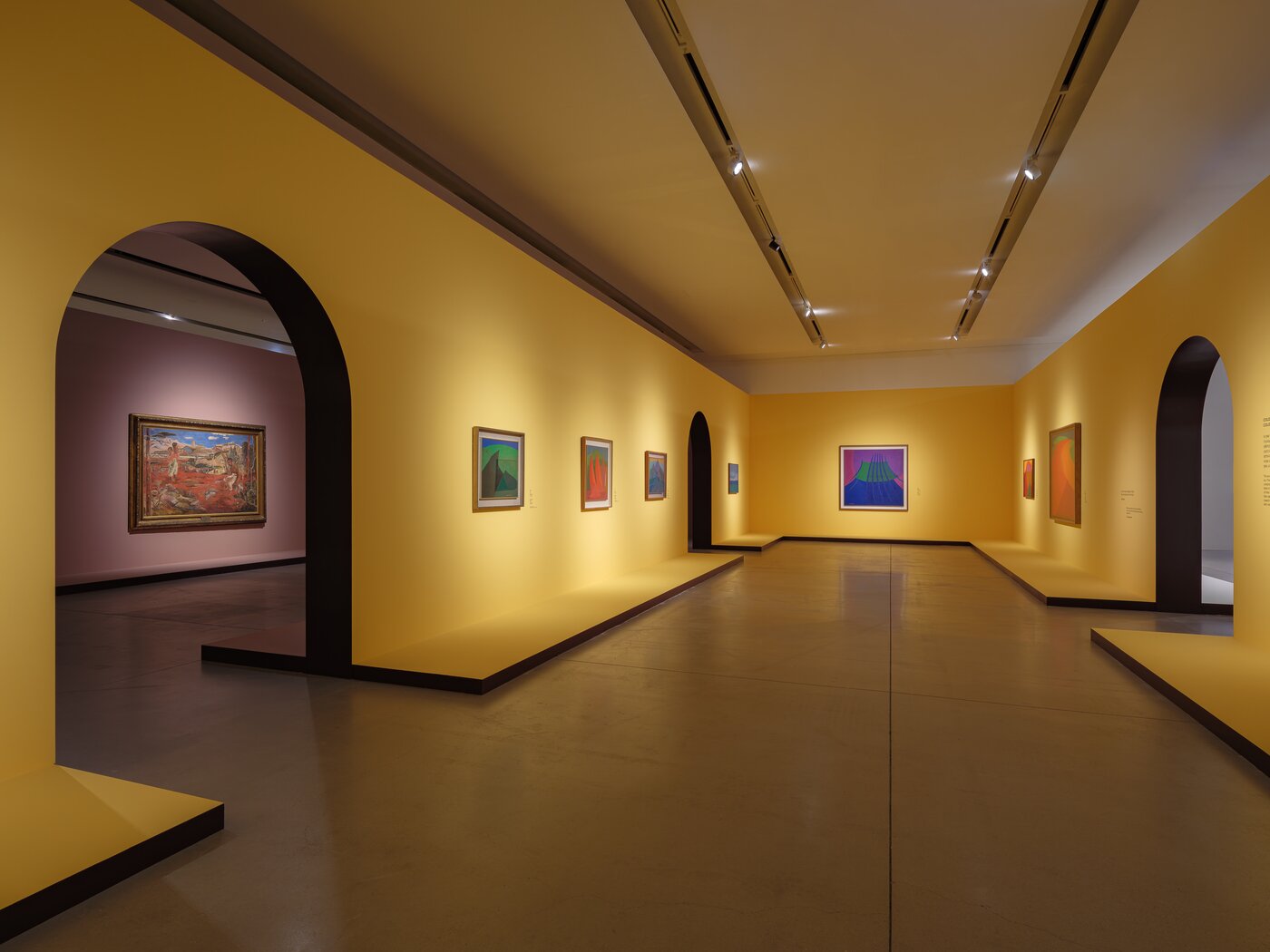
A World of Paintings: On the Lee Kun-Hee Collection, Buk-SeMA ⒸSeMA
#The contemporary re-evocation of history
Another key feature in Korean art during this period is "the contemporary re-evocation of history." Following the notable donation of the Lee Kun-Hee Collection, the museum’s holdings have expanded beyond art history into timely content and subjects for historical reinterpretation. Collection exhibitions, once presented annually in formats such as the “New Acquisitions Exhibition,” have evolved into curated shows that re-examine the collection from diverse perspectives.
MMCA's Collection Variable embodies the contemporary view that collections are not fixed historical records but evolving entities shaped by their era and interpretation. The “Busan MoCA Collection” project aims to symbolically utilize the museum’s key holdings. The Lee Kun-Hee Collection touring exhibition, immensely popular since 2021, continues at Buk-SeMA with A World of Paintings: On the Lee Kun-Hee Collection, offering a survey of modern and contemporary Korean art.
Exhibitions like 20 Years of GAM: Dialogues, Continued (Gyeongnam Art Museum), Daegu Forum IV Daegu Art 1980–1989: To Figuration (Daegu Art Museum), Resonance - The Present Connected with Memory (Gwangju Museum of Art), and Oh Chiho and impressionism: From Vibrant Light to Color (Jeonnam Museum of Art) sought to document institutional histories and explore regional art histories, recovering microhistories overshadowed by grand narratives.
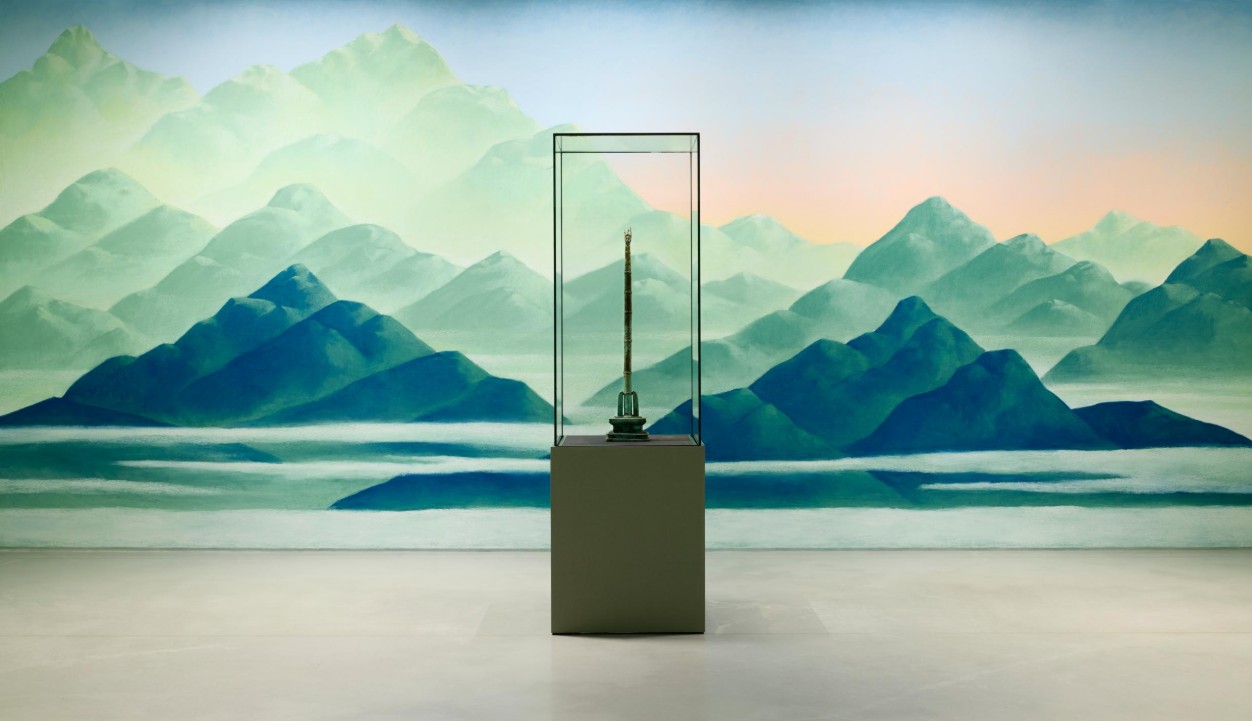
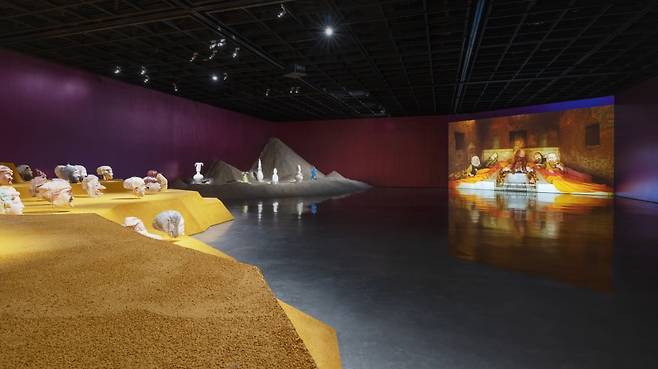
Nicolas Party: DUST, Hoam Museum of Art ⒸHoam Museum of Art (LEFT) / 2024 International Exchange Exhibition Wael Shawky, Daegu Art Museum ⒸDaegu Art Museum (RIGHT)
#The recent surge of contemporary global master exhibitions
Finally, we turn to “the recent surge of contemporary global master exhibitions.” Contemporary masters featured in Korean art museums during this period include Ugo Rondinone (Museum SAN); Norman Foster (SeMA); Agnes Martin (Gangneung Art Museum Sorol); Nathalie Djurberg (Songeun); Ho Tzu Nyen (Art Sonje Center); Nicolas Party and Louise Bourgeois (Hoam Museum of Art); Wael Shawky and Sean Scully (Daegu Art Museum); Pierre Huyghe (Leeum Museum of Art); Anthony McCall (Futura Seoul); Hilma af Klint (Busan MoCA); Mark Bradford (Amorepacific Museum of Art); and Ron Mueck (MMCA), whose exhibition drew over 560,000 visitors. The Cartier Collection at DDP and Songeun’s Pinault Collection, though not solo shows, share similar characteristics.
These initiatives make the exclusive contemporary art world more accessible and engaging, while reflecting the growing global outlook and rising expectations of Korean museum audiences.Notably, whereas past foreign master exhibitions often presented Western art history in a one-sided way, these shows emphasize selections reflecting each museum’s contemporary identity and a Korean perspective. Concerns remain about the declining status of domestic artists and the growing winner-takes-all system driven by massive capital.
#Times of turmoil #Ecological transition and planetary imagination #Women and the body #The contemporary re-evocation of history #The recent surge in contemporary global master exhibitions
from | Director, Line Cultural Foundation
Wonseok Koh studied Arts Management and has curated exhibitions and programs at Alternative Space Pool, Gallery SPACE, Arko Art Center, Beijing ArtMia Foundation, and the National Asian Culture Center. He served as Chief Curator at Busan Museum of Art and Head of Exhibition and Education at SeMA. Interested in museums’ future roles and social impact in contemporary culture, he now directs the Line Cultural Foundation and is leading a new museum project in Seoul.