The question that most preoccupied me during the writing of Photography and Korea was that of what conditions defined “Korean photography” as a category. In general, the book is structured as a chronology, but the six chapters were composed as attempts to redefine the category of Korean photography. As a medium, photography was introduced to Korea by Western powers with an interest in the peninsula and by progressives who envisioned using advanced science and technology to effect reforms. Initially, however, it was an object of rejection and mistrust among the general public. In the 1920s, the introduction of compact cameras transformed photography into a popular leisure activity, sparking an explosive rise in amateur photographers. Efforts to position photography as an artistic medium—which began in the late nineteenth century—persisted throughout the twentieth century, giving rise to diverse photographic experimentation and discourses.
While preparing my doctoral dissertation on funerary portrait photography in East Asia, I became acutely aware of the limitations inherent in national history narratives. Consequently, when undertaking a book on Korean photography, I set out to transcend single-nation framing. Considering the geopolitical position of the Korean Peninsula—intricately entangled with global history throughout the colonial and Cold War eras—this study began with the fundamental question of how Korean photographic history can be reinterpreted through a world-historical lens.
The photograph by Lee Gap Chul that provides the book with its cover image represents a young artist’s response to the 1960s and 1970s, an era when Korean photographers were seeking to discover the essence of tradition and Koreanness. Major Korean photographers such as Joo Myung-Duck (b. 1940) and Yook Myong-Shim (1933–2025) traveled extensively across the country to document traditional cultural heritage that was rapidly vanishing due to rapid land development and urbanization, as well as artifacts of shamanism and folk beliefs—practices then dismissed as unscientific, uncivilized, and subject to eradication. They compiled this documentation into photobooks and published it in popular periodicals such as the Monthly JoongAng. Lee Gap Chul (b. 1959), a student of Yook’s, set out to photograph a fishing festival in Yeongdeok, North Gyeongsang Province, but he rejected approaches that emphasized a documentary quality or romantically projected “exoticness” for the urban observer. The coastline and the horizon of a hazy sky appear diagonally behind the hands of one man dressed in a white dopo overcoat and another who seems to be refusing to have his picture taken. The image gives the impression of having been captured at the moment the photographer nearly stumbled or swung the camera aside to avoid something. The photograph is widely recognized as a defining image from Conflict and Reaction, Lee’s 2002 solo exhibition at the Kumho Museum of Art. I chose it for the cover of a book about Korean photography because it symbolically shows that the work sets out to reject attempts to discover the “essence of Koreanness” and to instead examine the relationships of tension that the history of Korean photography had formed with various circumstances at home and abroad in the period since photographic technology was introduced in the late nineteenth century.
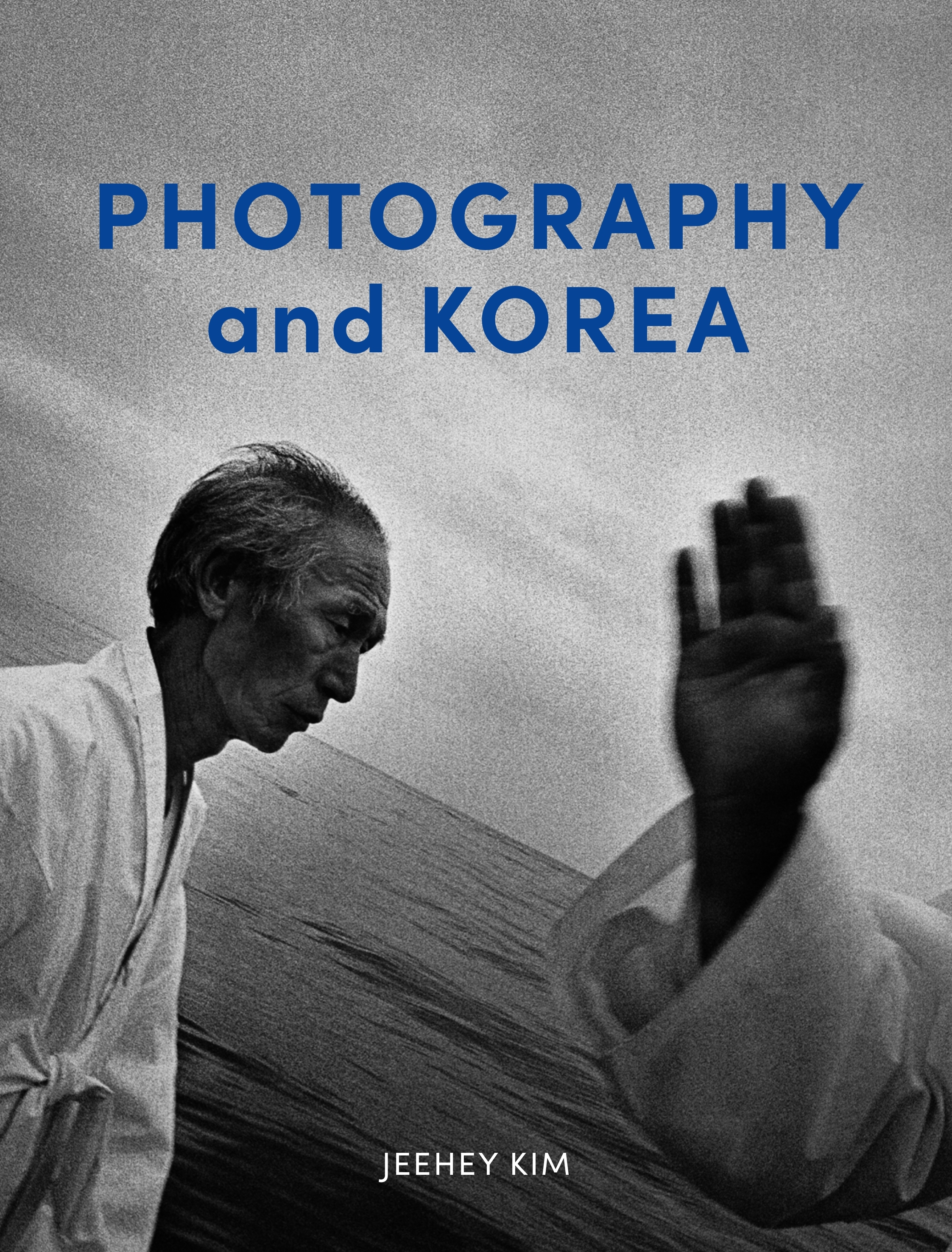
[Figure 1] Lee Gap Chul, Conflict and Reaction – Pungeoje, Yeongdeok, 1990/2002.
Part of the series Conflict and Reaction (2009–2011), gelatin silver print.
Cover image of Photography and Korea. Courtesy of the artist.
Through images taken by Japanese and Western photographers who recorded the Korean Peninsula during the Japanese occupation and Korean War, I sought to trace how Korea’s landscape and people were seen from outside. I also endeavored to share the work of photographers who recorded the many faces of the politically divided landscape and, in doing so, revealed a history in the grip of anti-communist ideology. An example of this is Dongsuk Chung (b. 1948), the only photographer among the founding members of Reality and Utterance (Hyeonsil gwa Bareon), the collective that led the Minjung Art movement in the 1980s. In his unconventional series Anti-Landscape, he traveled the politically divided Korean Peninsula between 1983 and 1989, testing the boundaries of the landscape photography genre. The landscapes captured in Chung’s photographs are not the exotic projections of an outsider. The sights of military slogans inscribed on the jangseung totems that once served as symbols of local sentiments, or of barbed wire surrounding a peaceful coastline, amounted to rejections of attempts by previous generations of Korean photographers to romantically portray the village landscapes that were being lost to rapid urbanization. With its explorations of the potential for social engagement through landscape images, Chung’s work holds a very important place in the history of Korean photography.
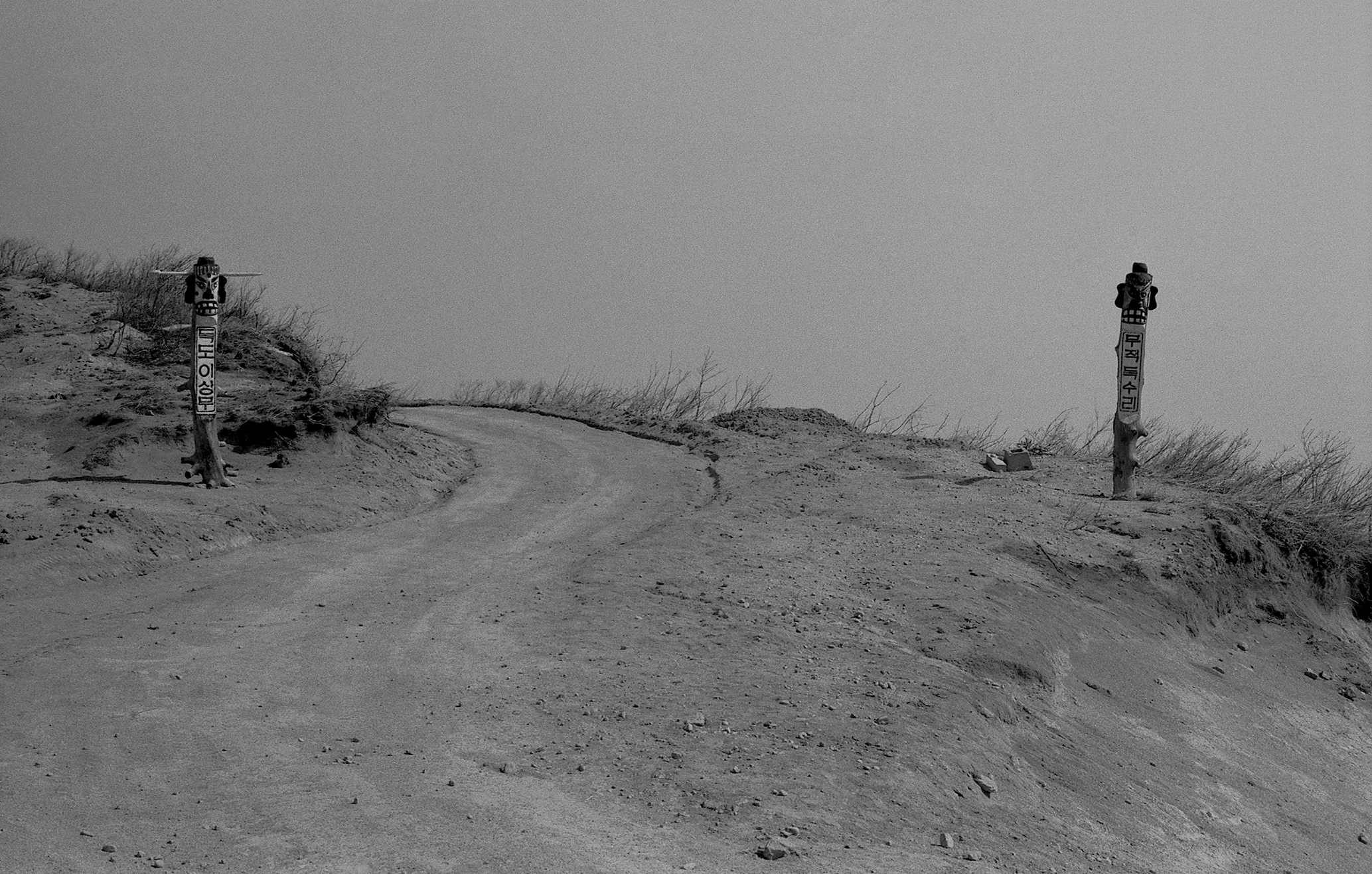
[Figure 2] Dongsuk Chung, Anti-Landscape 839-3, 1983–1989, gelatin silver print.
Courtesy of the artist.
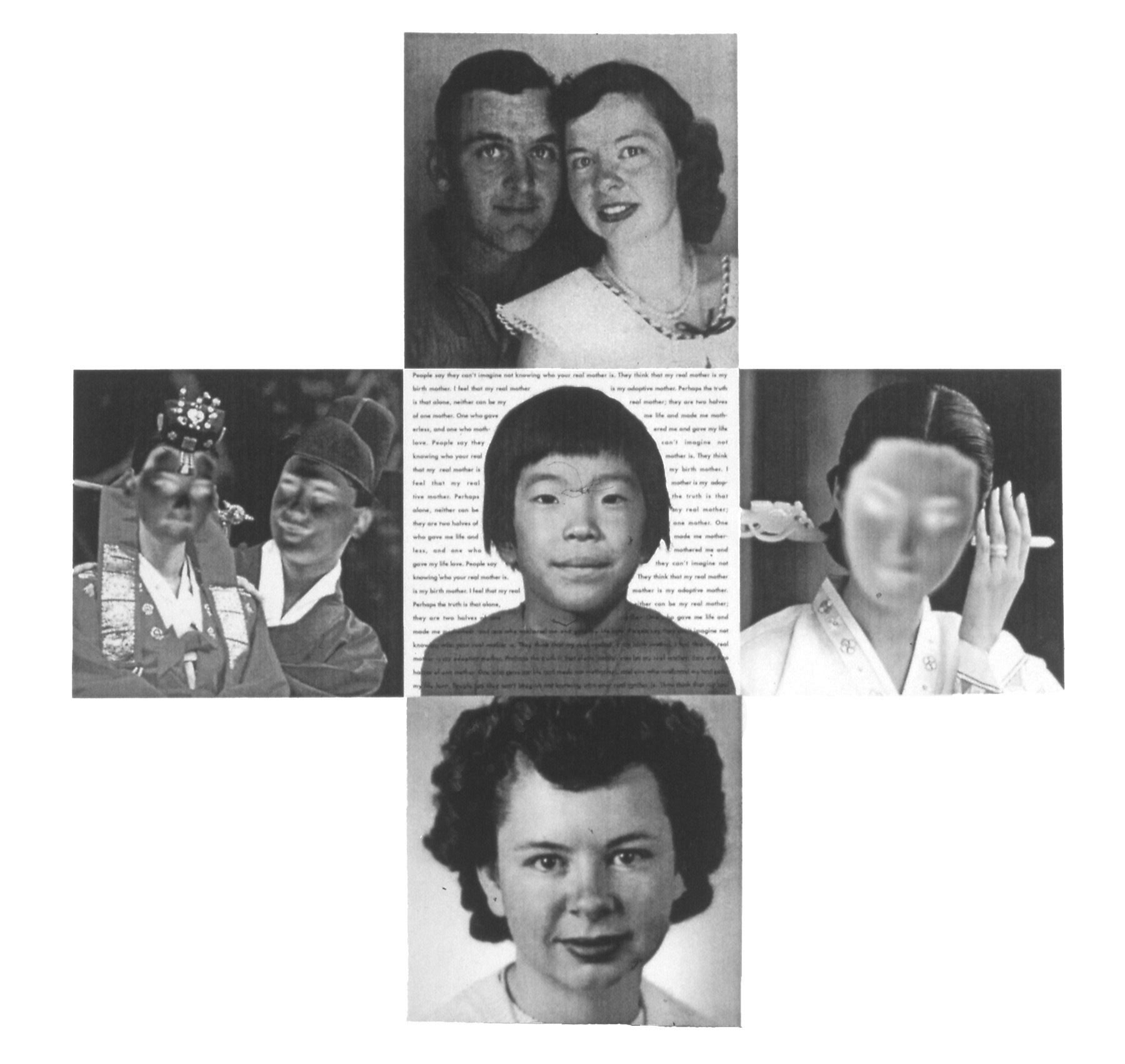
[Figure 3] Susan Sponsler, Motherless/Mothered, 1997, gelatin silver print. Courtesy of the artist.
#Lee Gap Chul #Yook Myong-Shim #Dongsuk Chung #Joo Myung-Duck #Suwon Lee #Susan Sponsler
Jeehey Kim
from | Associate Professor of Art History, University of Arizona
Author, researcher, and curator who specializes in the history of East Asian visual culture. She currently works as an associate professor in the art history program of the University of Arizona. She earned a doctoral degree from the City University of New York (CUNY) Graduate Center and was later a postdoctoral fellow at the University of Chicago. While at the University of Arizona, she has been working with the Center for Creative Photography to present an Asian photography symposium series since 2022. She is currently in the process of writing two books, one of them on East Asian funerary portraits and another on photography networks in the Japanese empire.