In 2025, Amsterdam University Press published my monograph Art, War, and Exile in Modern Korea: Rethinking the Life and Work of Lee Qoede. (Fig. 1) The book emerged from a question that has shaped much of my research over the past decade: Can we truly write a history of modern Korean art while excluding an entire generation of artists?
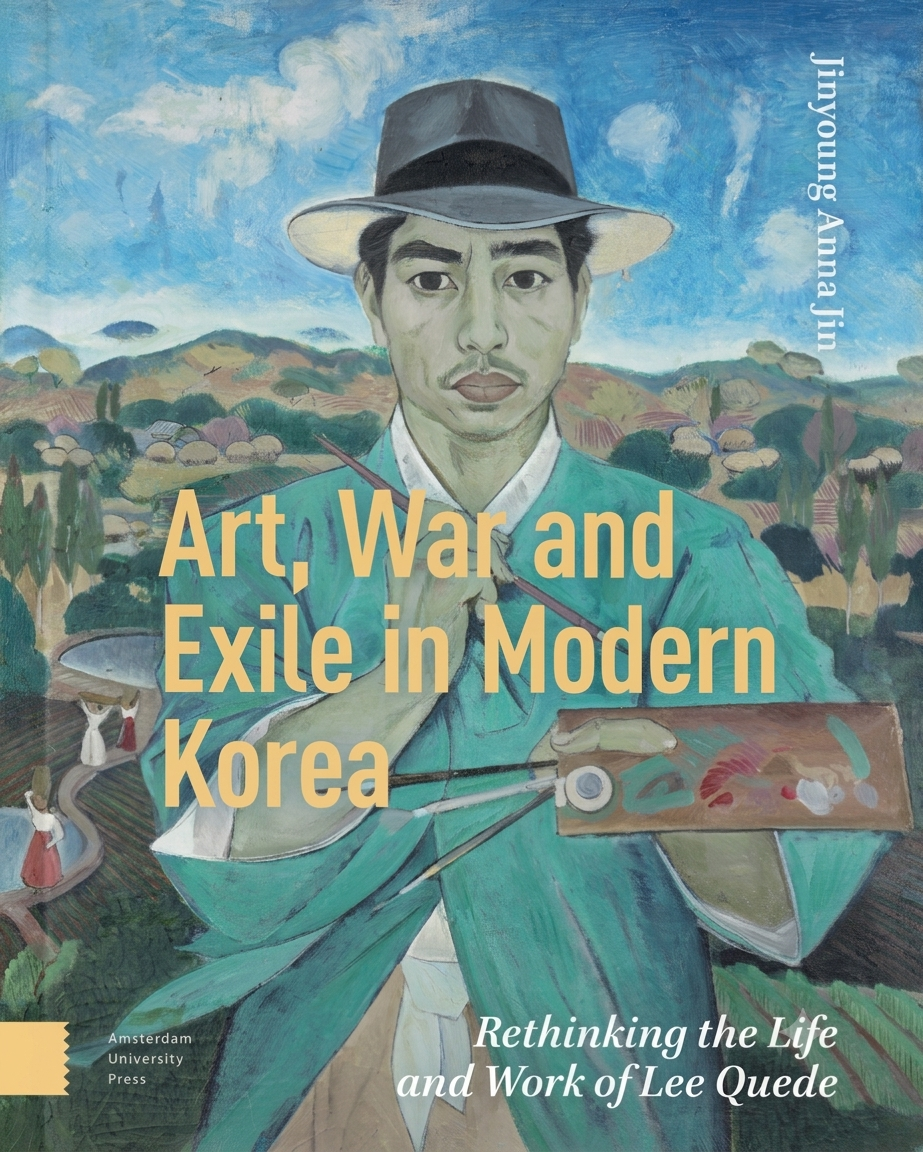
Figure 1. Cover of Jinyoung Anna Jin’s Art, War, and Exile in Modern Korea: Rethinking the Life and Work of Lee Qoede (2025)
The question may appear simple, but its implications are profound. Following the division of Korea, many artists who moved to North Korea occupy an ambiguous position within twentieth-century Korean art history. In South Korea, their names and works are largely absent from museum collections, textbooks, exhibitions, and scholarly narratives. To the present-day, their surviving works can be difficult to access, and their careers and contributions obscured due to this marginalization. As a result, the large part of modern Korean art history has often represented only one side of the peninsula.
Lee Qoede (1913–1965) is one of the most compelling examples of this historiographical problem. Widely recognized today as one of the most talented painters of his generation, Lee nevertheless remains trapped between competing national narratives. In South Korea, he is frequently remembered as a gifted artist who eventually moved north. In North Korea, he is celebrated as an important revolutionary painter, integral to the history of socialist art in particular. Yet neither framework adequately explains the complexity of his artistic career.
My book argues that Lee should be understood not simply as a North Korean artist or a South Korean artist, but rather as a modern Korean artist whose life and work reveal the transnational dimensions of twentieth-century Korean modernism. More importantly, his life and career offer a lens through which we can reconsider the broader relationship between Korean art and global modernism.
The Historiographical Legacy of Division
The central intervention of the book is historiographical. Rather than treating Lee’s migration to North Korea as the defining fact of his career, I situate his work within the larger intellectual, artistic, and political contexts that shaped Korean artists during the colonial and immediate postliberation periods.
The Cold War fundamentally altered both the trajectory and the later writing of Korean art history. Artists who moved north disappeared from it. This division created what I describe as a “half history” of modern Korean art.
The problem is not simply one of omission. When artists such as Lee Qoede, Kim Manhyeong (1916–1984), Park Munwon (1920–1973), Kim Yongjun (1904–1967), or Lee Yeoseong (1901–?) do appear in scholarship, they are often interpreted primarily through the lens of political ideology or North Korean cultural policy. Such approaches risk obscuring the formative decades of their careers before division, when they participated in many of the same artistic debates as their contemporaries in the south. Restoring these artists to the historical record is therefore not just an act of political reconciliation. It is a scholarly necessity. Their careers illuminate intellectual networks, artistic movements, and aesthetic debates that were central to Korean modernism before the peninsula was divided.
The First-Generation Korean Modern Artists: Active Agents in Global Discourse
The dominant narrative of modern Korean art has traditionally emphasized artistic exchanges between Korea, Japan, and Europe. This is understandable. The archival materials examined in my book reveal that Korean artists and intellectuals were engaged with a far broader world. During the 1930s and 1940s, they closely followed anticolonial movements across Asia, Africa, Latin America, and Europe. They read about developments in India, Ireland, China, Egypt, Mexico, the Soviet Union, and the Philippines. The central artistic debate in Korea moved beyond questions of style and aesthetic to how art and the artist might contribute to the future of the nation.
One of the figures who participated in this environment was Lee Yeoseong, Lee Qoede’s older brother. A historian, writer, political activist, and a painter in his own right, Lee Yeoseong published extensively on anticolonial movements around the world and encouraged Korean readers to view their own circumstances as part of a larger global struggle against imperial domination. His writings reveal the extent to which Korean intellectual life was already embedded within transnational networks of exchange(Jin, Art, War, and Exile in Modern Korea, 227-231).
Perhaps the most unexpected aspect of the book is its exploration of connections between Korean artists and Mexican muralism(Jin, 173-205). While researching Korean art journals, newspapers, and archival materials from the colonial and postliberation periods, I repeatedly encountered references to Mexican artists, especially Diego Rivera (1886–1957). Korean intellectuals and artists discussed Rivera’s murals, his political commitments, and his vision of public art. They regarded Mexico as a nation that successfully used art to participate in revolutionary nation-building.
One particularly revealing source examined in the book is an article written by Kim Manhyeong introducing Rivera to Korean audiences(Jin, 108-135). Kim argued that art should leave elite institutions and become accessible to ordinary people. He advocated for public museums, public murals, and socially engaged artistic practices. His arguments closely paralleled those advanced by Mexican muralists. These were also not isolated observations. References to Rivera appeared alongside discussions of American Social Realism, Soviet art, and other forms of socially engaged artistic practice. Korean artists were actively participating in a global conversation concerning the social responsibility of art.
Lee Qoede and Transnational Modernism
My book argues that Lee Qoede’s work provides particularly compelling evidence of these transnational connections. Archival documents indicate that Lee was familiar with Rivera’s ideas and admired his commitment to public art. More importantly, visual analysis reveals striking affinities between their works. These similarities should not be understood as imitation. Rather, they reflect shared concerns emerging from comparable historical circumstances. Both artists worked in societies undergoing profound political transformation. Both sought to redefine the role of the artist within the nation. Both believed that art should engage broader social realities rather than remain confined to elite audiences.
Lee’s well-regarded self-portraits exemplify this vision. Like Rivera, he presents himself not merely as an individual painter but as a public intellectual and cultural participant. The artist appears connected to the people and landscapes of his nation, emphasizing social responsibility rather than artistic isolation. The comparison becomes even more striking in Lee’s monumental People series (1948). (Fig. 2, 3, 4, 5) Composed across multiple panels and populated by numerous figures, these paintings operate almost as portable murals. They prioritize collective experience over individual portraiture and seek to visualize broader social realities. Such works reveal that Lee was thinking on a scale that exceeded traditional easel painting. He was interested in public art, collective narratives, and sweeping historical representation.
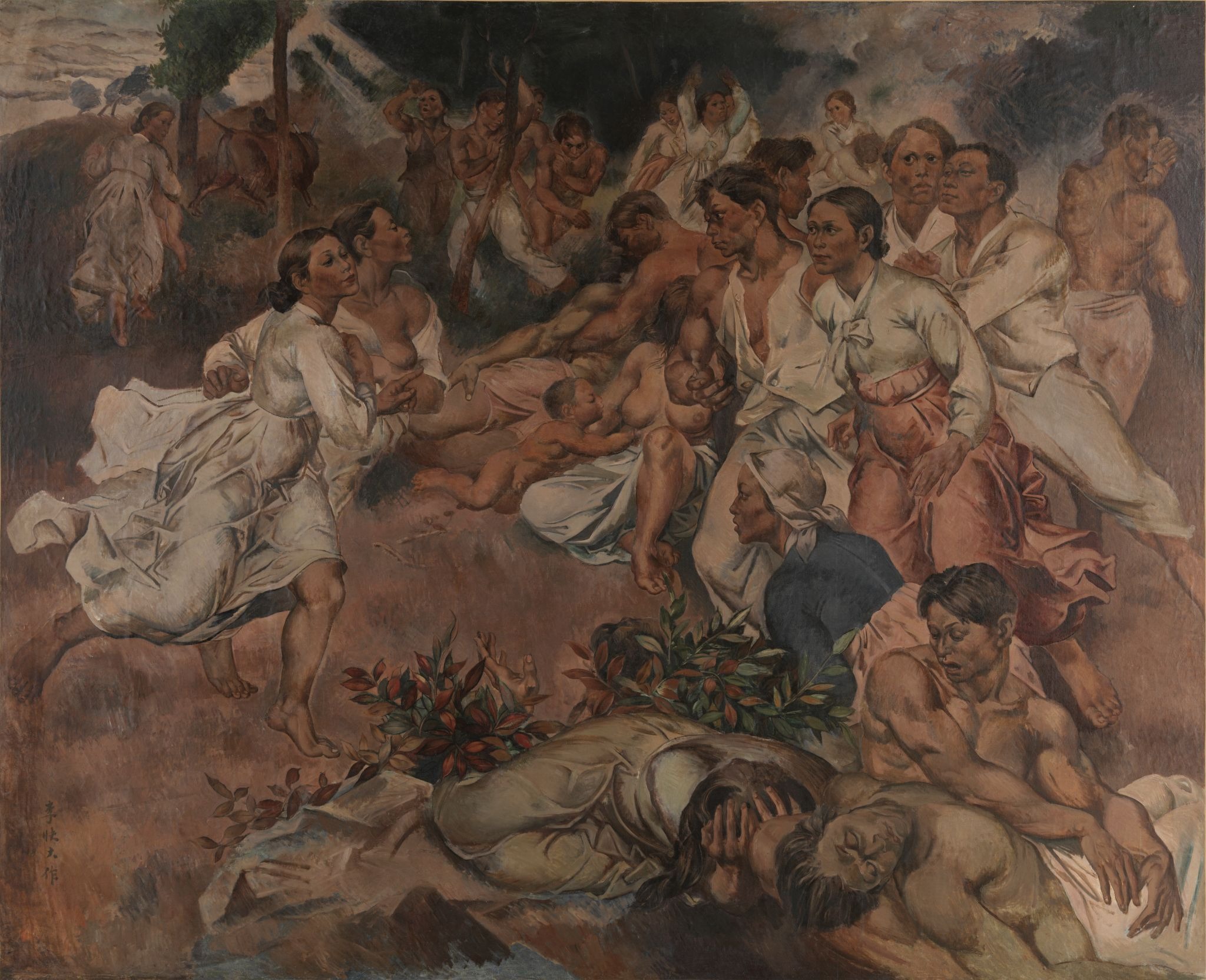
Figure 2. Lee Qoede, People I: Announcement of Liberation, 1948, Oil on canvas, 181 × 222.5cm. © Courtesy of the Lee Qoede Estate.
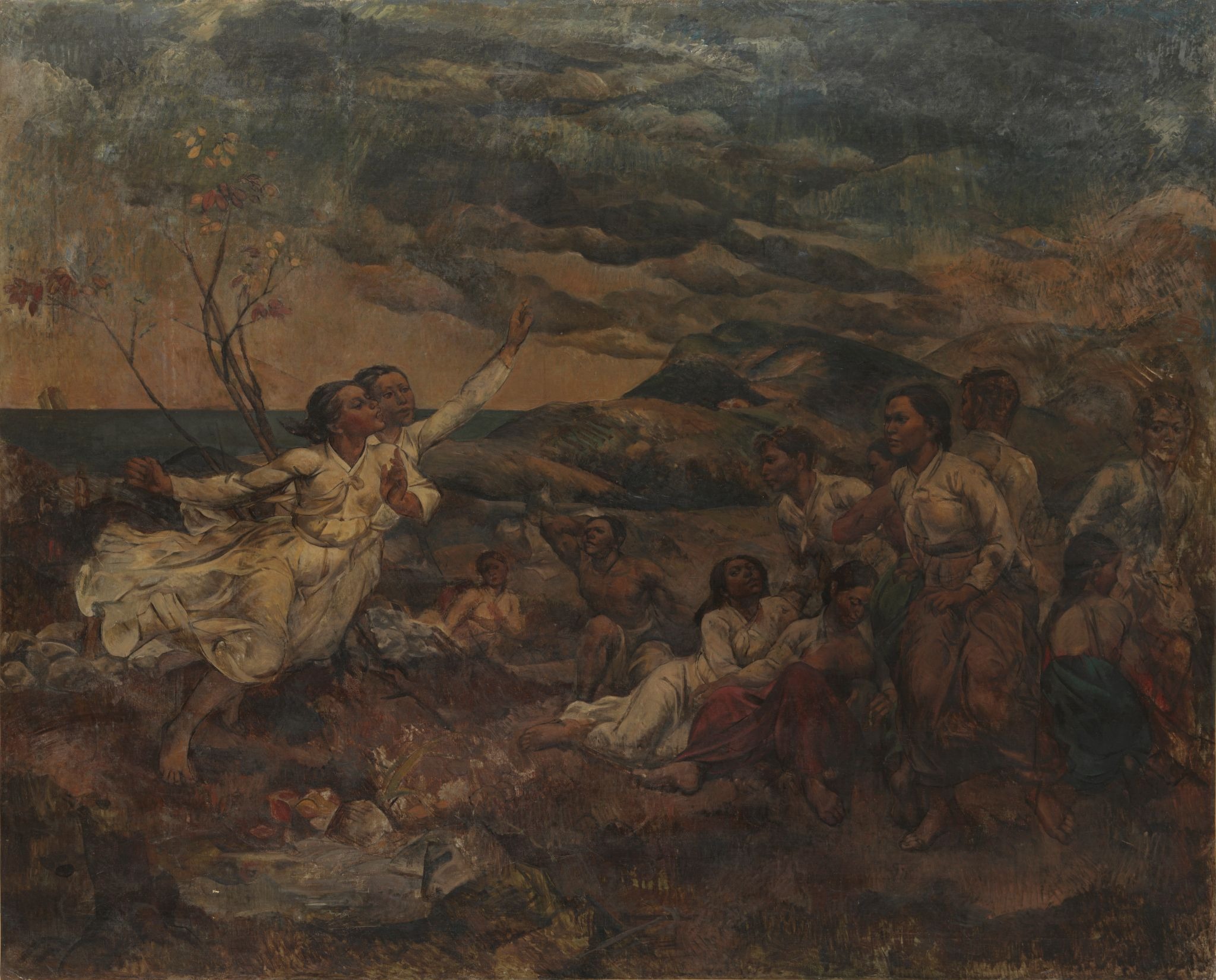
Figure 3. Lee Qoede, People II, 1948, Oil on canvas, 128 × 158cm. © Courtesy of the Lee Qoede Estate.
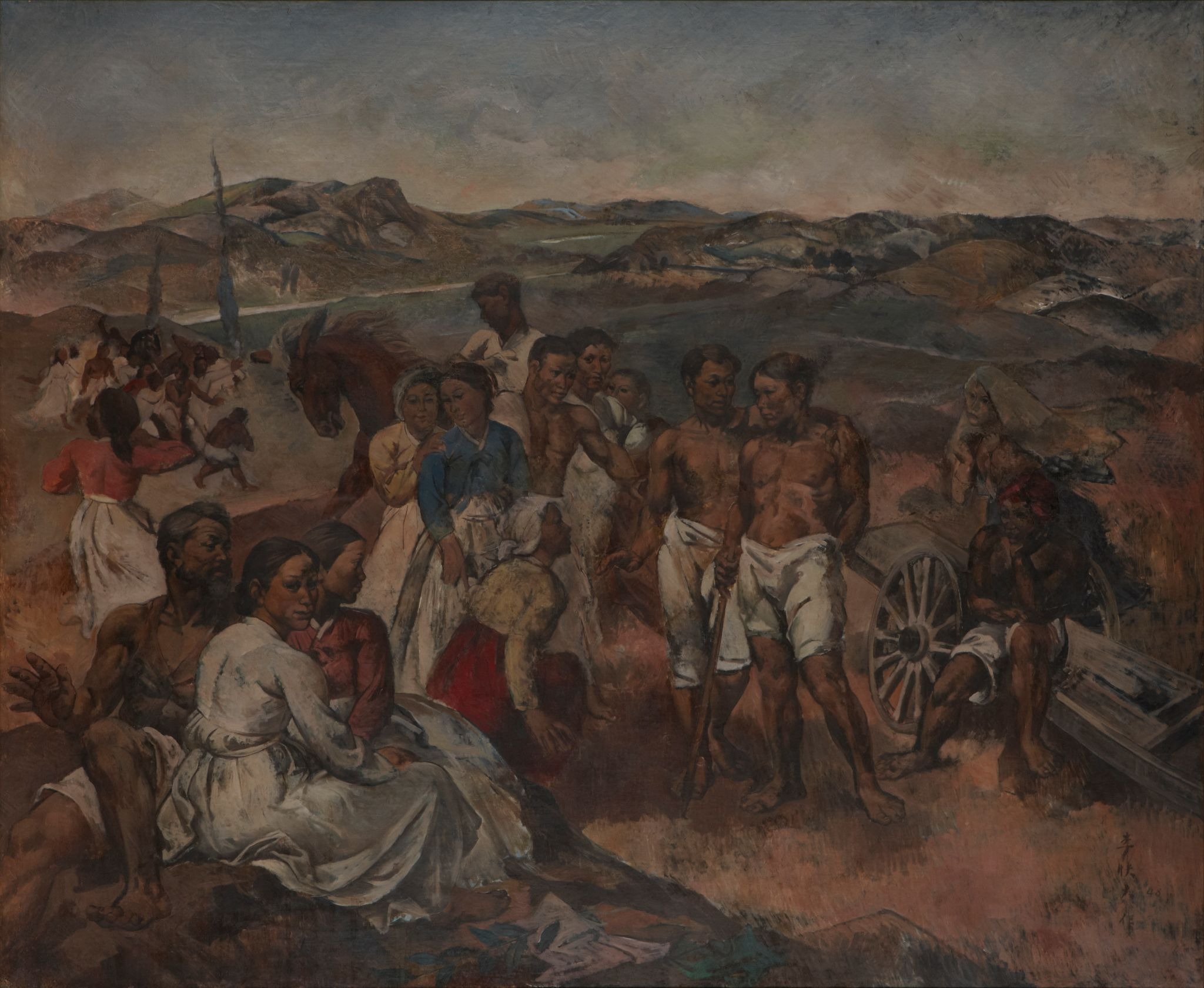
Figure 4. Lee Qoede, People III, 1948, Oil on canvas, 128 × 158cm. © Courtesy of the Lee Qoede Estate.
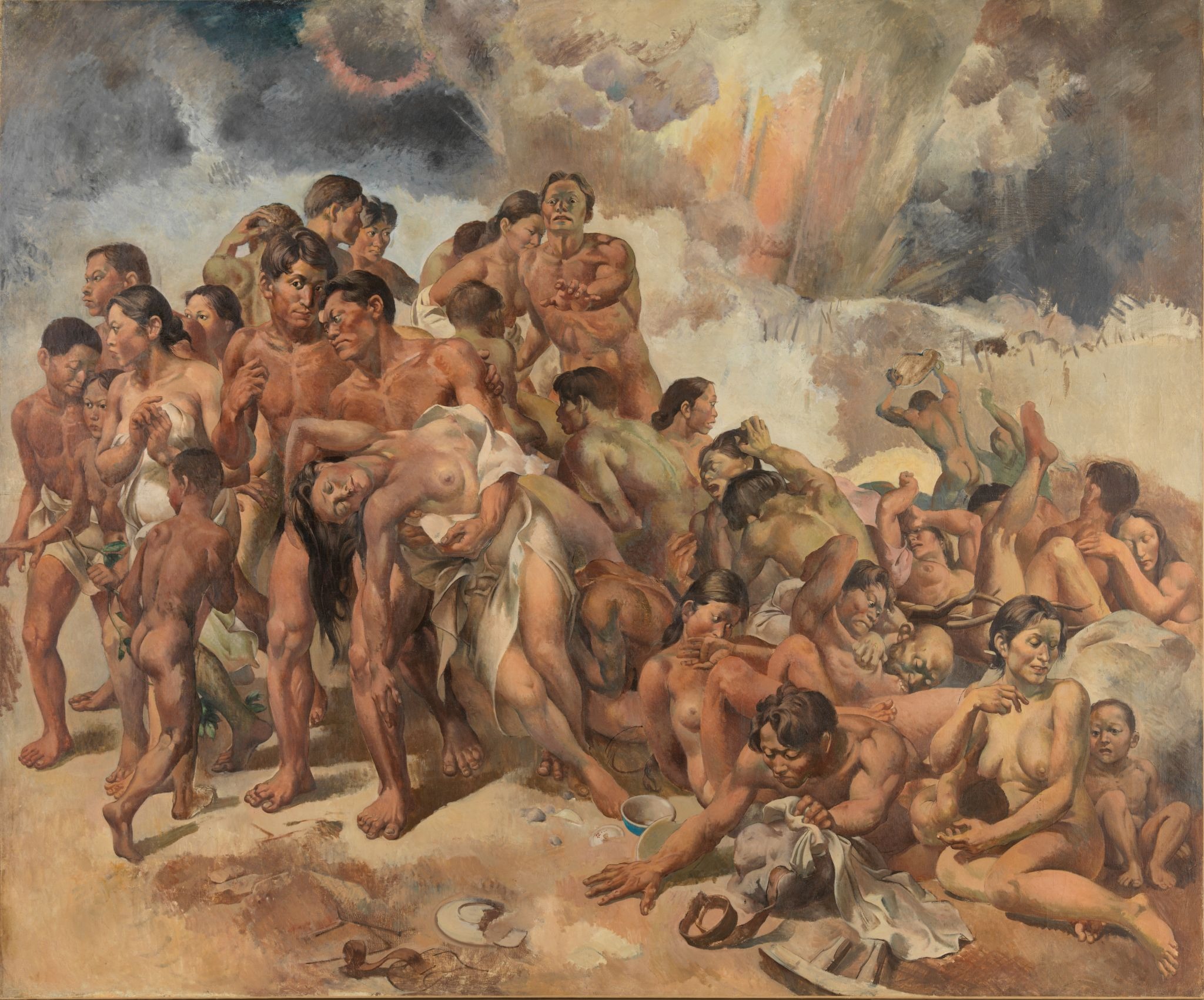
Figure 5. Lee Qoede, People IV, 1948, Oil on canvas, 177 × 216cm. © Courtesy of the Lee Qoede Estate.
Beyond Division: Toward an Integrated History of Modern Korean Art
The final chapters of the book follow Lee after his relocation to North Korea. Rather than interpreting this period solely through the framework of socialist realism, I examine how many of the artistic ambitions visible in his earlier work continued to develop at this later stage of his career. Most notably, Lee eventually realized his long-standing interest in monumental public art through the creation of a massive mural for the China-North Korea Friendship Tower in Pyongyang. Nearly thirteen meters in length, the project was a culmination of ideas that had shaped his artistic vision for decades(Jin, 189-203).
This continuity is important because it challenges the assumption that Lee’s career can be neatly divided into separate South Korean and North Korean phases. Many of his central concerns remained remarkably consistent: public art, collective experience, historical consciousness, and the social role of the artist.
Ultimately, the book argues that a generation of artists separated by the Cold War belongs within a single historical narrative. Their careers reveal a Korean modernism deeply connected to global networks of exchange and shaped by concerns extending far beyond national borders. Moreover, their legacy did not disappear after division. Many of the questions that animated Lee and his contemporaries reemerged decades later in South Korea’s Minjung Art movement of the 1980s. Themes such as labor, collective struggle, historical memory, social justice, and public engagement remained central to Korean artists long after the peninsula was divided. This continuity suggests that the history of socially engaged Korean art cannot be fully understood if the artists who moved north remain excluded from scholarly narratives.
Another broader implication is equally significant. Korean modernism should not be understood solely through relationships with Japan and Europe. It must be situated within global histories of anticolonialism, social realism, public art, and revolutionary modernism. By restoring Lee to this larger context, we gain a fuller understanding of his career as well as a richer understanding of Korean art’s place within global modernism. The task before us is not simply to recover forgotten artists. It is to reconstruct a more complete, more interconnected, and ultimately more accurate history of modern Korean art.
* Art, War, and Exile in Modern Korea: Rethinking the Life and Work of Lee Qoede was published with the support of the Republic of Korea’s Ministry of Culture, Sports, and Tourism and the Korea Arts Management Service.
#Korean Art History #Lee Qoede #Lee Quede #Defector Artist #Cold War
Jinyoung Anna Jin
from | Director of Asian Art and Culture Charles B. Wang Center, Stony Brook University, New York, USA
Art historian, curator, and author, specializing in modern and contemporary Korean art in global and transnational contexts. She serves as the director of Asian art and culture at Stony Brook University’s Charles B. Wang Center and has served on the Community Advisory Board of PBS Thirteen/WLIW since 2016. She is also the creator and director of the 〈Korean Art Alive〉 film series, which explores Korean art and culture through documentary storytelling. Her recent work examines transnational modernism and the circulation of artistic ideas between Asia and Latin America. She is the author of 『Art, War, and Exile in Modern Korea: Rethinking the Life and Work of Lee Qoede』 (2025) and has organized international symposia on Korean modernism, Mexican muralism, and global art networks. www.jinyoungannajin.com