I. Mapping the Art Landscape of Autumn 2025
Since Frieze made its debut in Seoul in 2022, autumn in Korea has transformed into the peak season for large-scale art celebrations. Not only Seoul—the home of KIAF and Frieze—but the entire national art scene is embracing this trend, with each region highlighting its presence through distinct strategies. This year makes it even clearer that art festivals are no longer centered solely in the capital region. Six major events—the Gwangju Design Biennale, Daegu Photo Biennale, Sea Art Festival, World Seoye Biennale of Jeonbuk State(formerly the World Calligraphy Jeonbuk Biennale), Jeonnam International Sumuk Biennale, and Cheongju Craft Biennale—were held simultaneously, turning the country into a vast artistic landscape. These exhibitions drew attention not just by expanding local programs, but also by highlighting key issues in contemporary art. Each biennale addressed pressing issues in contemporary culture and art through its own distinct perspectives and methodologies. Experiments aimed at globalizing tradition and local identity, ecological approaches to imagining coexistence in the Anthropocene, and attempts to connect digital technology with human perception—together, these six festivals offered clear signposts for the current direction of Korean art. Within this diverse spectrum, what common threads can we discern? Here are this year’s art-festival highlights, framed by three keywords: glocalism, coexistence with the environment, and the digital age.
II. Glocalism: The Region and the World as One
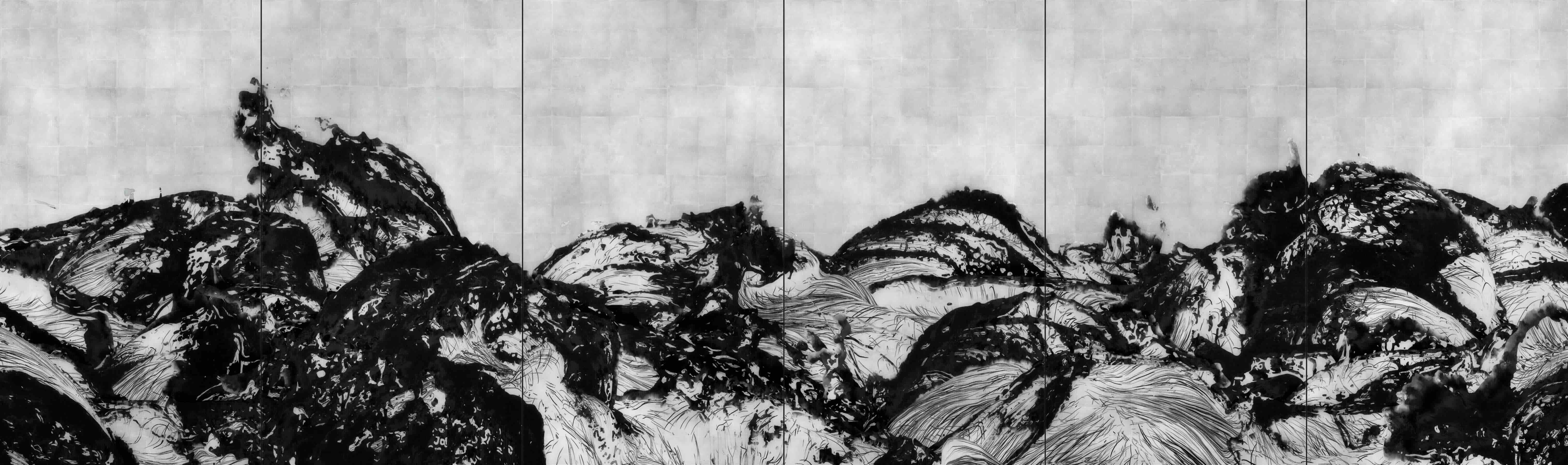
Fig. 1. TeamLab, Memory of Waves, 2024, 6-channel digital work. © teamLab, courtesy of Ikkan Art LLC. Jeonnam International Sumuk Biennale
Local traditions are reborn in a contemporary artistic language when they encounter the wider world. Directed by Jaegab Yoon, the Jeonnam International Sumuk Biennale ran from 30 August to 31 October across Mokpo, Jindo, and Haenam under the theme Somewhere Over the Yellow Sea. Eighty-three artists and collectives from 20 countries participated, blending the traditional medium of ink painting with contemporary media to visualize the expansion and exchange of Asian civilization. In Haenam, the exhibition traced the roots of Korean ink painting; in Jindo, it highlighted the Southern School tradition and the continuity of ink calligraphy into the modern era; and in Mokpo, it explored international connections by featuring major overseas artists, including the Japanese media art collective teamLab (Fig. 1). This experiment treated ink painting as a contemporary art form with global sensibility, rather than as a rigid tradition.
The World Seoye Biennale of Jeonbuk State, themed Resonance of Silence, took place from September 26 to October 26 across Jeonbuk Province, with major venues including the Sori Arts Center and the Jeonbuk Arts Center. The event brought together 1,000 religious figures and calligraphers—and four emerging artists—to reframe calligraphy as a conceptual language that transcends religion, culture, and media. The flagship program, A Thousand People, A Thousand Scriptures, showed calligraphy as a language of communal solidarity, with participants transcribing scriptures from their respective faiths. Additionally, the programs K-SEOYE ART and Youth and Sidae Sori Jeongeum expanded the scope of calligraphy through painting, media art, and performance, exploring the intersections of text and image, and of tradition and modernity. Thus, both the Jeonnam International Sumuk Biennale and the World Seoye Biennale of Jeonbuk State embodied ‘glocalism’—anchored in local tradition while engaging with the world. This approach seeks to bring tradition into today’s language, rather than preserve it as a relic.
III. Coexistence of Humans and Ecology
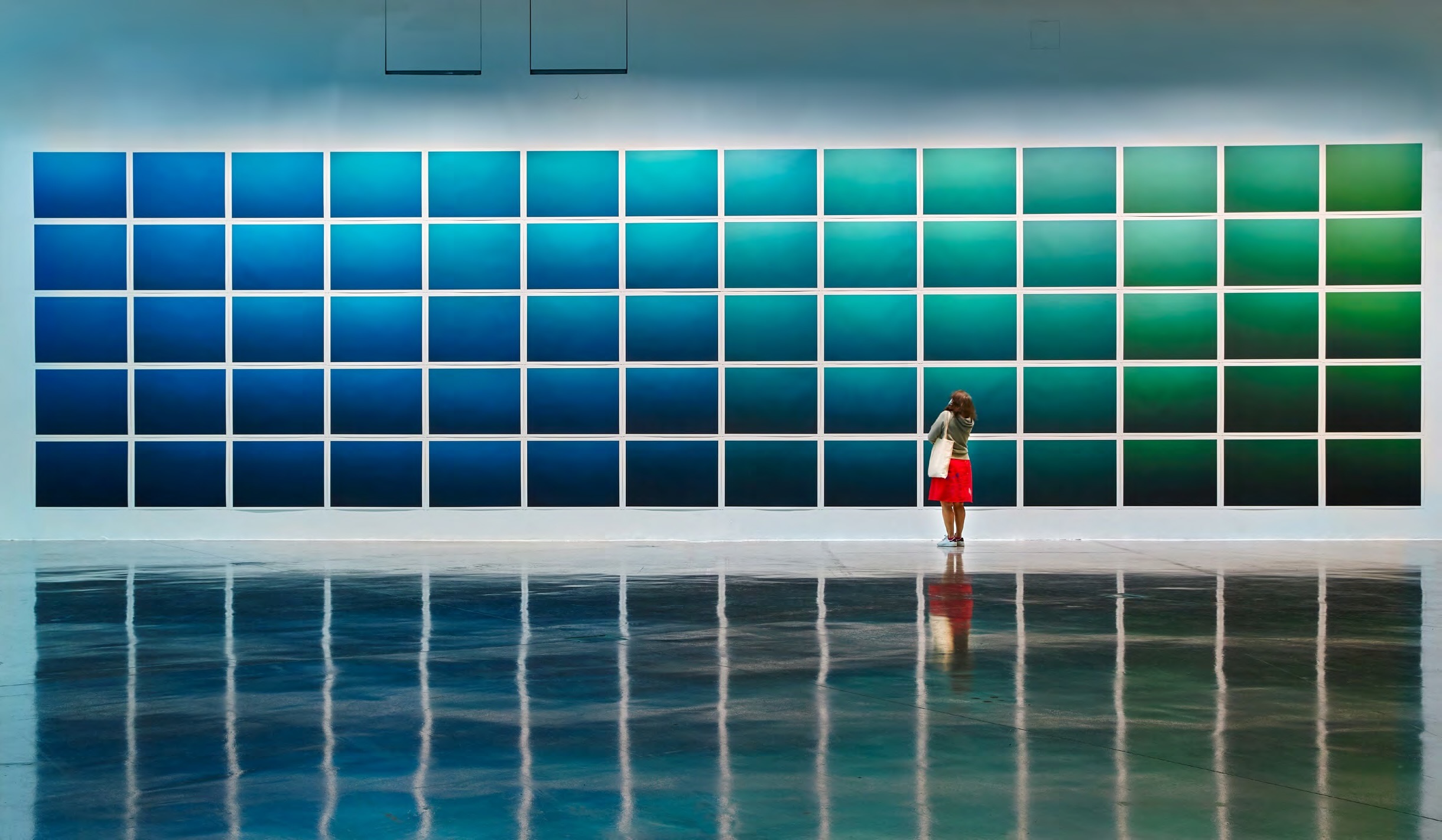
Fig. 2. Nicolas Floch, Color of Water – Calanques, 2019, pigment print (70 pieces), courtesy of Daegu Photo Biennale.
In the era of the climate crisis, art goes beyond depicting the environment, questioning the kind of beings humans should strive to become. The Sea Art Festival and Daegu Photo Biennale, though focused on different media, shared the message of “environmental coexistence.” First, the Sea Art Festival, co-curated by Keumhwa Kim and Bernard Vienat, took place at Dadaepo Beach in Busan from September 27 to November 2. This year's theme, UnderCurrents: Waves Walking on the Water, focused on the ecological significance of the beach as an ecologically unique site. Here, the two directors invited the audience to move beyond being mere “viewers of the work” and become “witnesses of coexistence.” Sculptures on the beach, installations responding to the sea breeze, and sound works in rhythm with the waves and sand revealed humans’ complex relationship with the sea. Threats such as marine pollution, rising sea levels, and ecological destruction were no longer abstract warnings; they had entered the realm of everyday life. In this exhibition, the sea was seen not as a backdrop to daily life but as a community we must coexist with.
Meanwhile, the Daegu Photo Biennale raised another ecological question through the medium of photography. Directed by Emmanuelle de l’Ecotais, the event ran from 18 September to 16 November at the Daegu Arts Center under the theme The Pulse of Life. Sixty-seven artists from 23 countries explored human–nonhuman coexistence where industry and nature meet within the city’s concrete confines. Employing techniques such as high-resolution imaging, multiple exposures, and mixed media, the works illuminated layers of life that often go unnoticed. Here, photography functioned not merely as documentation but as a tool for reviving ecological sensibility (Fig. 2). Thus, the Sea Art Festival and the Daegu Photo Biennale did more than warn of environmental crisis; they experimented with the possibility of human–nature coexistence through art. They highlighted art’s role in awakening our senses and prompting us to rethink ecological ethics in times of crisis.
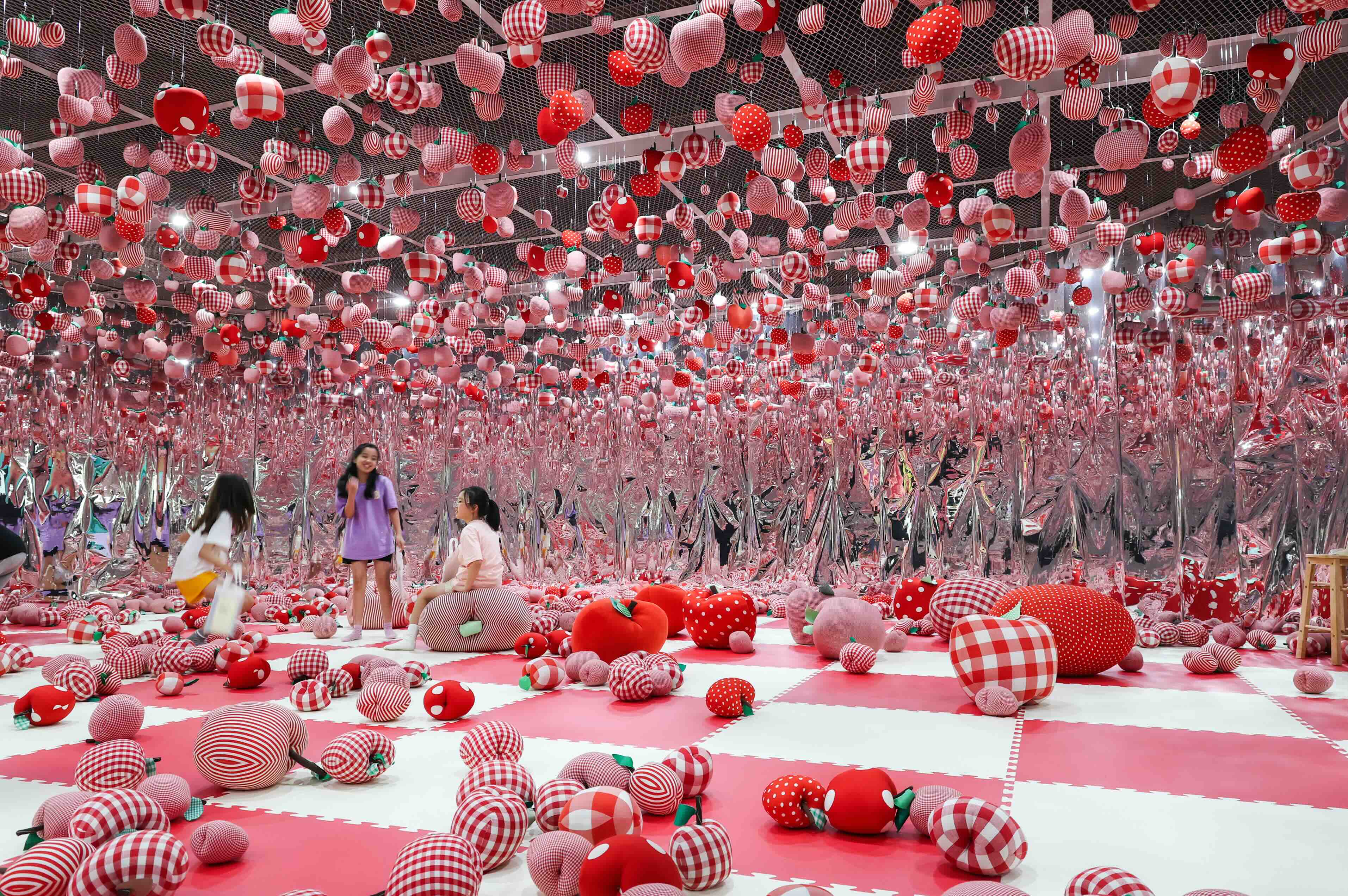
Fig. 3. Installation view of Come Play! Everyone’s Village, the Children’s Biennale, courtesy of the Cheongju Craft Biennale.
IV. Restoring the Senses in the Digital Age
In a world where cutting-edge technology is reshaping daily life, art contemplates how we reattune our senses within the digital environment. The Cheongju Craft Biennale and Gwangju Design Biennale each offered answers to this question through craft and design. Curated by Artistic Director Jaeyoung Kang under the theme Re…Crafting Tomorrow, the Cheongju Craft Biennale was held from 4 September to 2 November at the Culture Production Center and across Cheongju. Over 1,300 artists from 72 countries submitted more than 2,500 works, marking an unprecedented scale. The Cheongju Craft Biennale redefined craft not as decoration, but as an art of living that permeates everyday life. Its four sections—Crafts as Metaculture, Crafts for Aestheticians, Crafts for All Beings, and Crafts with Communities—reexamined the tactility and materiality of craft in the digital age. This can be understood as an effort to restore bodily and tactile senses in a world saturated with digital technology (Fig. 3). The event proposed craft not as a relic of tradition, but as a practice for shaping the future.
TThe Gwangju Design Biennale, held at the Gwangju Biennale Exhibition Hall from 30 August to 2 November, was led by Artistic Director Sooshin Choi. Under the theme You, the World: How Design Embraces Humanity, 429 designers from 19 countries came together. The artistic director framed design as a social mechanism for achieving “inclusivity.” The exhibition explored how technology can support human life across four areas: mobility and the right to movement, recycled fashion and the circular economy, sensory environments, and AI-driven ecological experiments. Design in the digital age should prioritize equitable experiences over mere efficiency. Operating at the intersection of art, industry, environment, and technology, design shapes the ethics of future society. Both events emphasized that the more technology dominates daily life, the more art works to place humanity back at the center. Craft restores the senses that technique overlooks, while design reconnects what technology has separated. Art in the digital age seeks to deepen feeling and foster connection, rather than pursue only speed and efficiency.
V. Korean Art: Towards a Bright Future
This year, art festivals spread nationwide beyond Seoul. Discourse and resources long concentrated in the capital are now increasingly emerging across regional contexts. Non-metropolitan events are no longer limited to local affairs; they are becoming new driving forces in the transformation of contemporary Korean art. Glocalism that connects tradition to the world, ecological imagination for human–environment coexistence, and efforts to reclaim human senses in the digital age all surfaced in different forms. While each festival posed distinct questions, together they vividly reflected the current direction of contemporary art. The region is no longer peripheral. It now functions as a launchpad for experimenting with the future of Korean art and as a vibrant hub for new discourse.
#Korean Art #Regional #Biennale #Glocalism #Ecology #Digital Era
Hyun YI
from | Editor-in-Chief of Art in Culture
· 1992, Seoul · B.A. Curatorial Studies, Dongduk Women’s Univ. · Graduate coursework in Art Theory, Korea National University of Arts. · Editor-in-Chief, Art in Culture · Committees: MCST Sports–Arts Program; ARKO Visual Arts; MMCA Exhibition Panel; Ulsan Art Museum; Korea Foundation; ChungBuk/ChungNam Cultural Foundations; IBK The Art Plaza