The Museum as a Public Sphere
Museums are not neutral spaces. Every exhibition—every object, label, installation plan, and press release—is shaped by the culture that produced it. Museums reflect the values, assumptions, and priorities of their time while often maintaining the illusion of timeless truth, as though prevailing social arrangements were inevitable rather than carefully constructed cultural arguments. During the latter half of the twentieth century, however, many art museums increasingly adopted the European Kunsthalle model, emphasizing changing exhibitions over permanent collections. They evolved from repositories of objects into laboratories for public dialogue and cultural experimentation. Even museums with significant collections became hybrids, recognizing that temporary exhibitions often generate greater public engagement, critical discussion, and institutional relevance. At the same time, curating itself evolved from a largely custodial responsibility into an intellectual and creative practice. The modern museum inherited this tradition of stewardship, transferring responsibility for cultural memory from the cathedral to the museum. Today, however, museums are increasingly expected to do more than preserve the past. They have become public forums where societies examine their values, confront historical injustice, and debate competing visions of the future.
This transformation has placed museums at the center of many contemporary cultural and political conflicts. Institutions that once sought neutrality now find themselves navigating questions of race, identity, memory, colonialism, human rights, and democracy. The natural inclination of most institutions is to avoid controversy. Yet museums increasingly discover that their public value lies precisely in their willingness to engage difficult conversations rather than retreat from them. The museum's role is no longer simply to reinforce consensus. Instead, it should cultivate what has been called constructive discomfort—creating spaces where competing perspectives can coexist, difficult questions remain open, and visitors leave with a deeper understanding of both themselves and others. Museums should not tell people what to think. They should provide opportunities to think more deeply.
Artworks and Exhibitions as Testimony
During my twenty-one years directing the American University Museum in Washington, D.C., I learned that controversial exhibitions inevitably test not only audiences but institutions themselves. The most valuable exhibitions often reveal as much about the museum's own assumptions and anxieties as they do about the artworks on display.
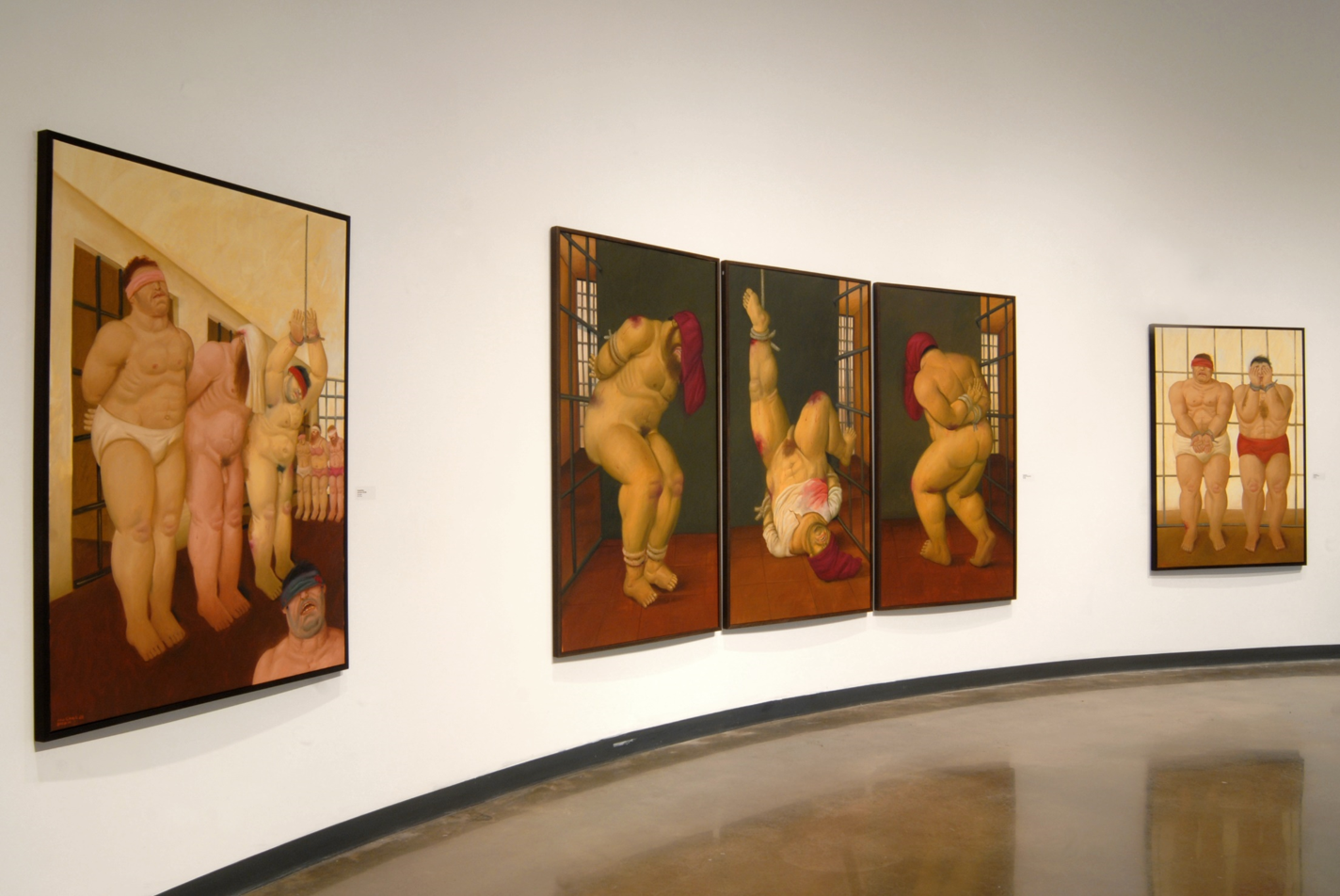
Fig.1 Fernando Botero: Abu Ghraib, 2007, Installation view at American University Museum. Courtesy of the Museum and the Artist
One of the earliest examples was Fernando Botero: Abu Ghraib in 2007, the first and only complete museum presentation of Botero's powerful series in the United States. Responding to reports and photographs documenting the abuse of Iraqi prisoners by American military personnel, Botero transformed journalistic evidence into monumental moral testimony. For many visitors, the exhibition came as a shock. Because the works were grounded in documented events rather than political rhetoric, the exhibition demonstrated that museums cannot escape political interpretation simply by presenting historical evidence. Even the act of exhibiting becomes part of public discourse.
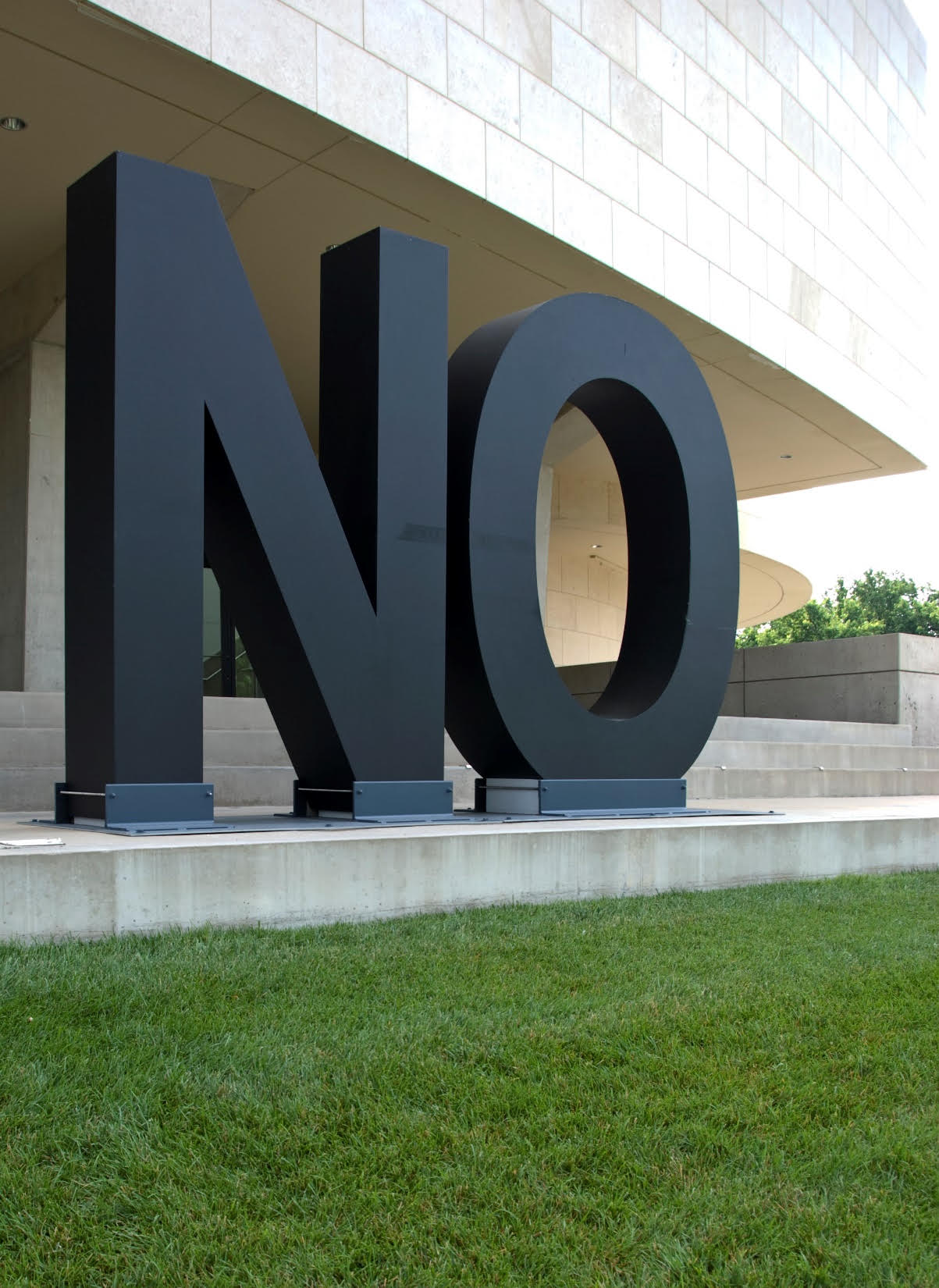
Fig.2 Santiago Sierra: NO, GLOBAL TOUR, 2010, Installation view at American University Museum. Courtesy of the Museum and the Artist
Three years later, the museum presented Santiago Sierra's NO, GLOBAL TOUR. The work had already been declined by two major American museums before arriving at American University. Yet its openness invited each observer to project personal anxieties, frustrations, and hopes onto the sculpture. This willingness to embrace complexity has become increasingly important in our own time, when cultural institutions are frequently pressured to simplify difficult histories into clear moral narratives. Museums serve democracy best not by eliminating disagreement but by creating environments where disagreement can be explored thoughtfully and respectfully.
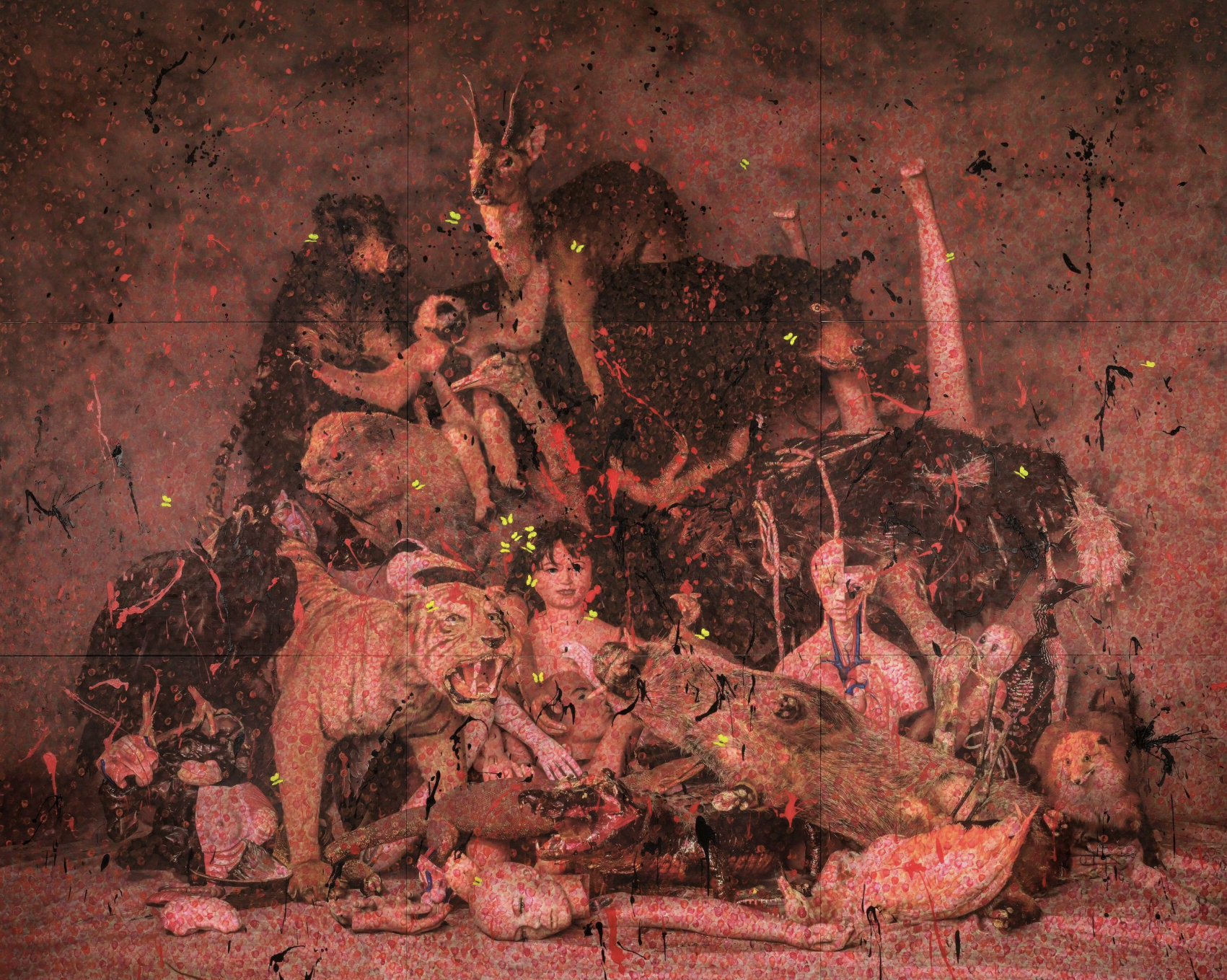
Fig.3 Ahn Chang Hong, Paradise 2024'7, Digital print, acrylic, and gel medium on panel, 2024. Courtesy of the Museum and the Artist
Perhaps no exhibition better illustrates this challenge than Ahn Chang Hong's Noon-mool (meaning Tears) series. Using taxidermy as both medium and metaphor, Ahn creates figures suspended between life and death, memory and forgetting, humanity and spectacle. The works are initially unsettling. Yet their emotional power extends far beyond shock. Ahn examines the ways societies preserve memory while simultaneously transforming suffering into spectacle. As presented in Ahn Chang Hong: Noon-mool (2026, American University Museum at the Katzen Arts Center), his figures invite reflection on how history is remembered, how identity is constructed, and how trauma is both commemorated and consumed. Rather than offering easy conclusions, the exhibition asks viewers to remain within uncertainty and discomfort long enough to discover deeper meanings. In his recent practice, taxidermy serves as both medium and metaphor, inviting viewers to critically reflect on how history and trauma are consumed beyond mere initial shock. Created by layering paint over large-scale photographs of taxidermied animals, these images visually captivate us.
Opening on September 5, this exhibition also features a selection of his early paintings, offering a comprehensive look into the evolution of his artistic journey over the decades. He has long favored the process of applying layers of paint over photographs and readymade images, which infuses his paintings and sculptures with a raw, tactile texture. By stacking layers of paint and rich matière over factual records—such as photographs and found objects—he partially conceals or restructures his subjects. Though his engagement with media expansion and formal experimentation has continuously evolved, this technique and his thematic commitment to ethical and emotional inquiry have remained steadfast. Spanning two museum floors, this immersive presentation delivers images that are both captivating and unsettling, prompting visitors to reflect deeply on fundamental questions of shared humanity.
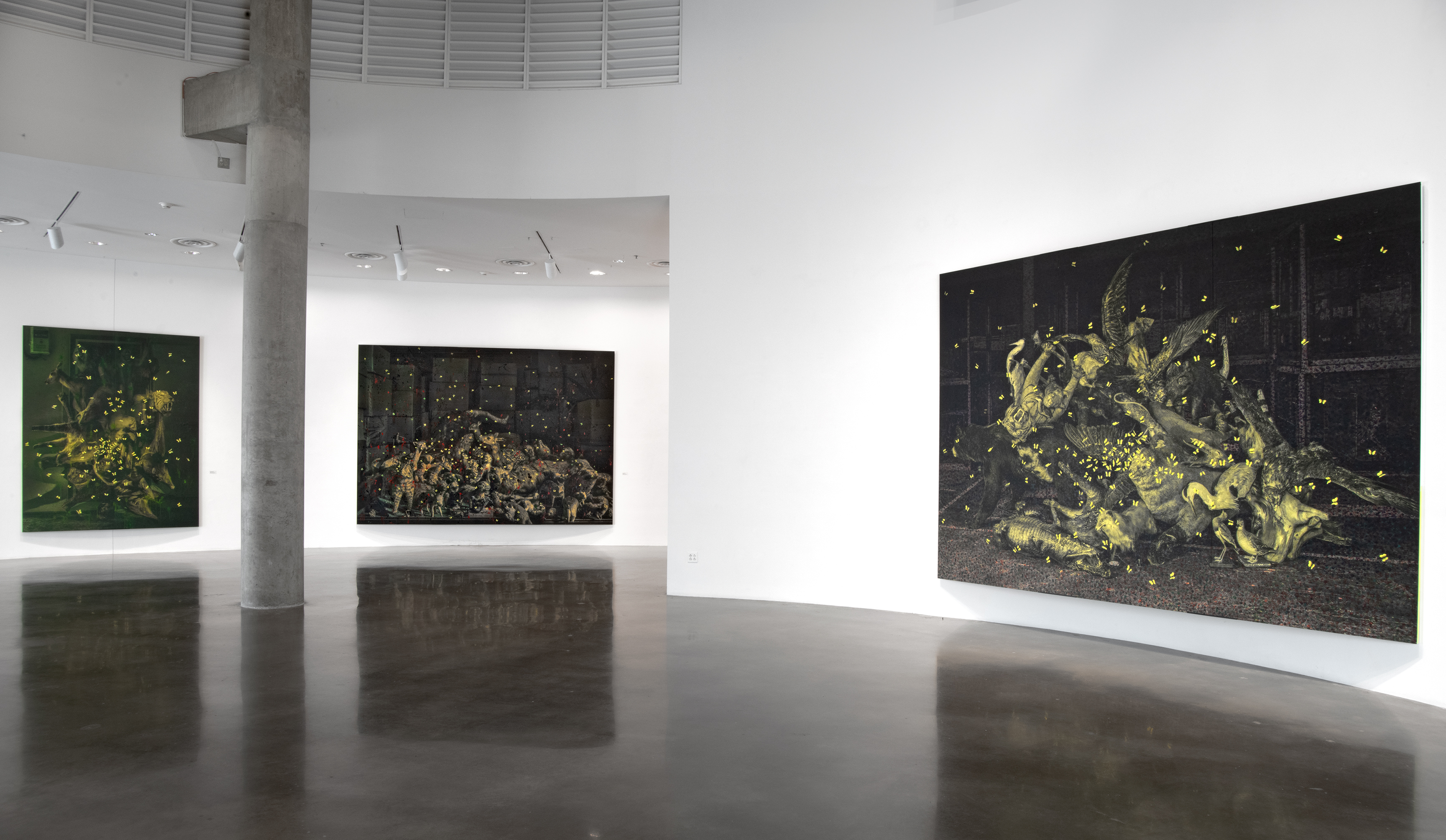
Fig.4 Ahn Chang Hong: Noon-mool, 2026, American University Museum at the Katzen Arts Center. Courtesy of the Museum and the Artist
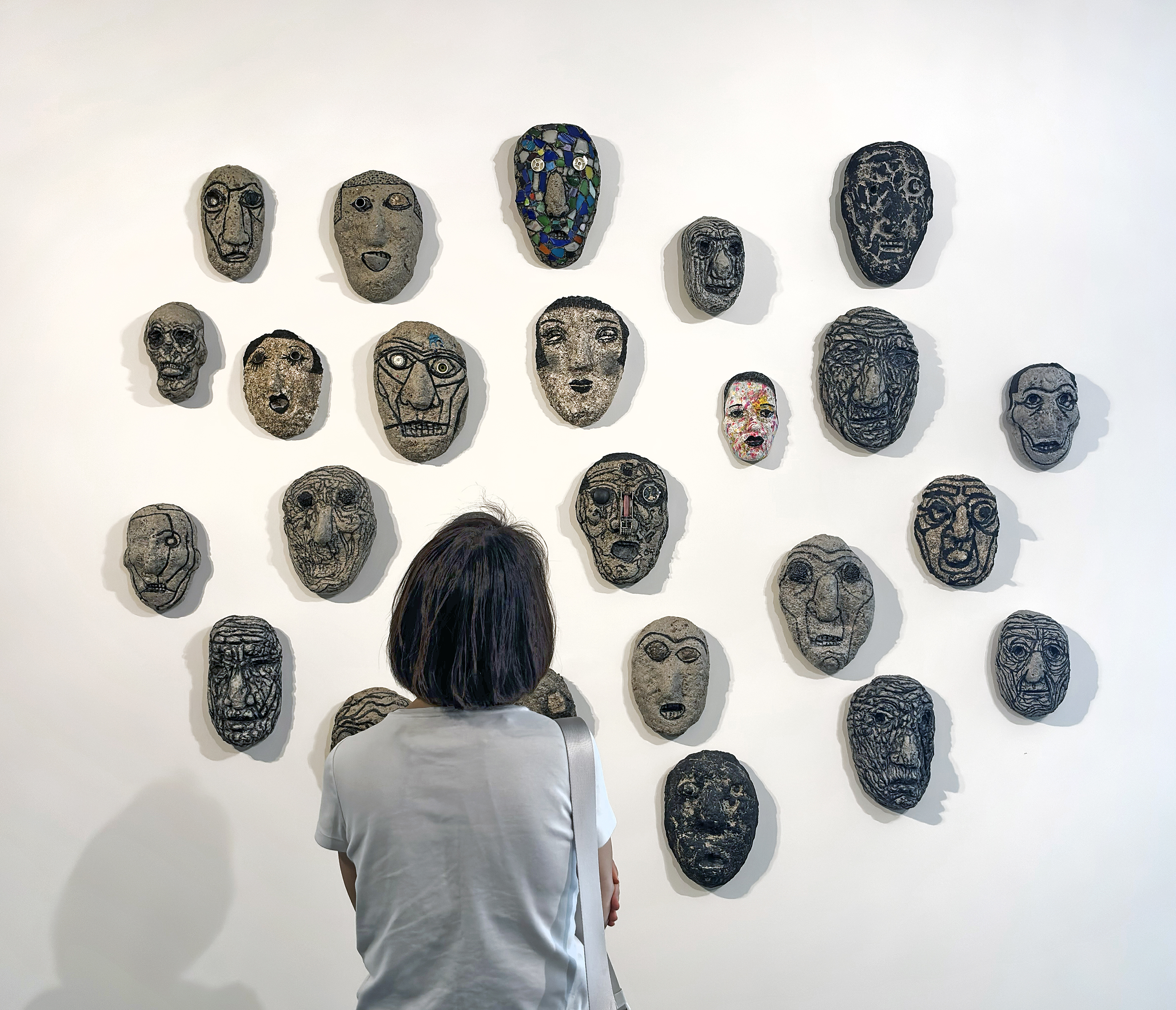
Fig.5 Ahn Chang Hong: Noon-mool, 2026, American University Museum at the Katzen Arts Center. Courtesy of the Museum and the Artist
Although rooted in Korean history and culture, Ahn's work speaks to universal concerns. Through painting, sculpture, and multimedia, his unflinching exploration of human vulnerability offers a deeply empathetic perspective toward marginalized and wounded lives. Every society struggles with the relationship between memory and forgetting, justice and reconciliation, historical truth and political convenience. The power of his work lies not in providing answers but in sustaining difficult reflection.
Korea itself offers an important example of democratic resilience. The nation's transition from authoritarian rule to constitutional democracy demonstrated that sustained civic engagement can transform political culture without violent revolution. That history reminds us that democratic societies depend not only upon elections and laws but also upon cultural institutions capable of fostering critical reflection and informed public dialogue.
“Civic Institution” and the Future Museum
Museums occupy a unique position within that civic landscape. Unlike political institutions, they need not produce consensus. Unlike universities, they are accessible to broad public audiences. Through art, museums create opportunities for people with different experiences and beliefs to encounter one another within a shared cultural space. Controversial art is not simply meant to provoke. At its best, it enlarges public understanding by making visible what society would prefer to ignore. Likewise, the museum's responsibility is not to avoid controversy but to frame it responsibly, providing historical context while encouraging open inquiry rather than ideological certainty. As cultural polarization intensifies worldwide, museums face growing pressure from governments, donors, activists, and public opinion. The temptation is to retreat toward safety, avoiding exhibitions that might generate criticism. Yet doing so risks reducing museums to guardians of consensus rather than participants in democratic culture.
Museums cannot solve political conflict. They can, however, create spaces where complex questions remain open, where empathy expands through encounter, and where disagreement becomes an opportunity for learning rather than division. In this sense, the contemporary museum serves not merely as a repository of cultural objects but as an essential civic institution. The future of museums will depend less upon the size of their collections than upon their willingness to engage the difficult conversations that define every democratic society. Controversial art reminds us that culture is never settled. Neither, therefore, should the museum be.
Jack Rasmussen
from | C. Nicholas Keating and Carleen B. Keating Director American University Museum at the Katzen Arts Center
Inaugural C. Nicholas Keating and Carleen B. Keating Director, who has served as Director and Curator of the AU Museum at the Katzen Arts Center, American University, since 2005. He has authored and published numerous official museum catalogues documenting local art history and Washington's working artists. Over the course of organizing more than 650 exhibitions, he continuously engaged in a curatorial practice that actively embraced critical and experimental projects that other institutions turned down due to political risks.