The writings of eco-feminist poet and archaeologist Heo Su-kyung continue to haunt the scene of the present like a residue from an epoch we pretend we have already left behind. In her At the Station of the Ice Age, time does not progress; it congeals. Past and future cohabit a station “forgotten by all,” where an “unbelievable handshake” takes place in a snowstorm, a gesture between beings who share no common chronology but are forced into relation nonetheless. It is from this glacial simultaneity that artist Sojung Jun’s I Do Nine-Tailed Fox emerges. Heo’s refusal of linearity becomes not simply a thematic reference but a methodological aperture through which Jun thinks sound, mythmaking, diaspora, and survival.
What, then, is the “artistic” for Jun? It is not a medium, nor even a set of mediums, but a mode of vibration, an onto-aesthetic ecology in which performance becomes a regenerative field continually reorganizing itself. Sonic practice is never mere soundtracking; it is an insurgent presence, thick with the memory of peoples and climates, dense with dissent, and charged with the potentia of metamorphosis. I Do Nine-Tailed Fox gathers these forces into a nonlinear operatic form, refusing the demand that stories move forward when history itself has not.
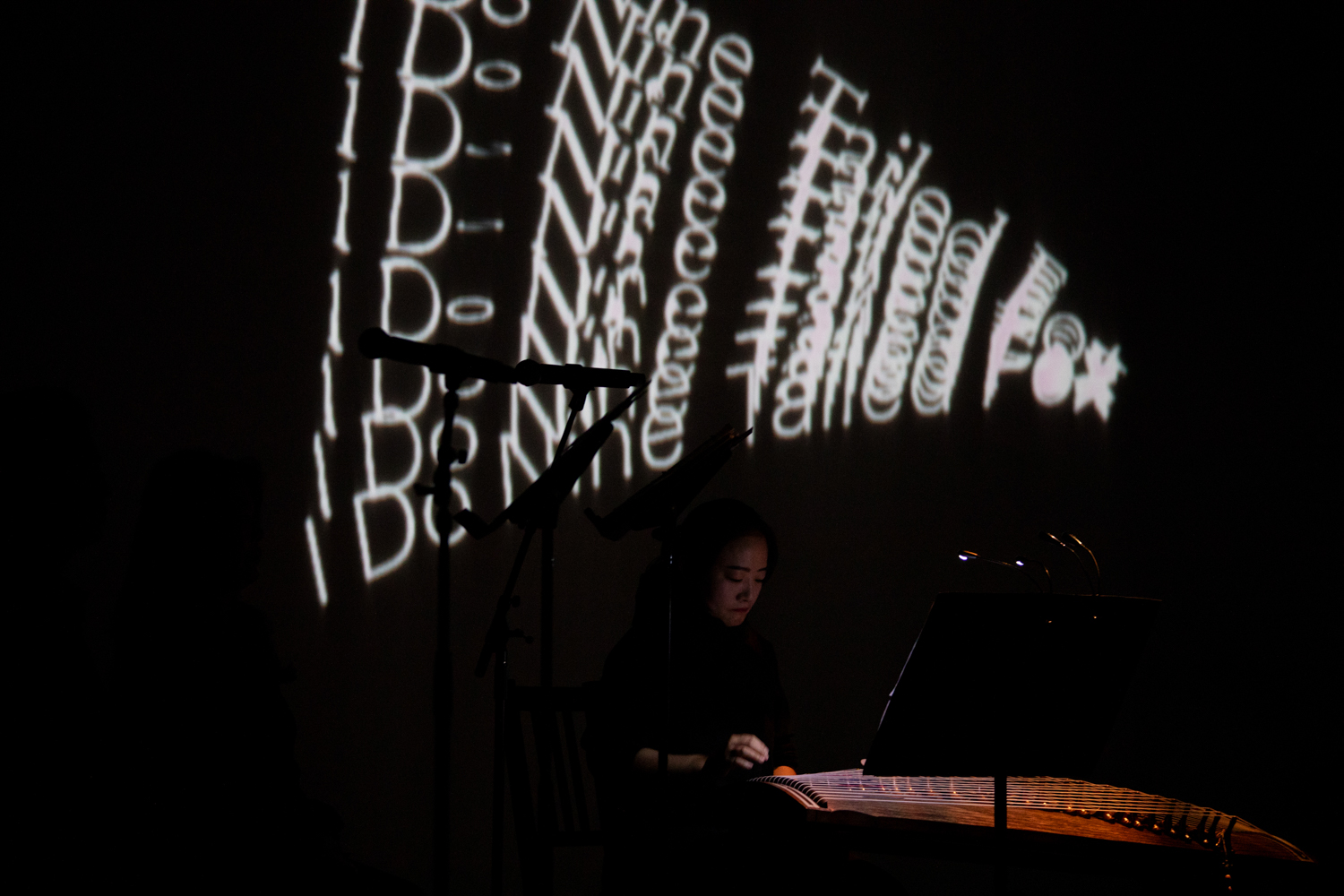
Fig. 1. Sojung JUN. I Do Nine-Tailed Fox, 2025. Photo by Masao Katagami. Image courtesy of Asia Society
At the center of Jun’s inquiry is the gumiho, the nine-tailed fox of East Asian lore, a figure long positioned as trickster, threat, or feminine excess. Jun approaches the fox not as an object of folklore but as a geontological operator. The gumiho becomes a model for inhabiting zones of abandonment, sites where life and nonlife, human and nonhuman, self and state, meet in unstable arrangements. Cast as unruly and deceptive by dominant narratives, the fox instead reveals a grammar of endurance: adaptation, liquidity, the right to shift form when the world demands it. Its multiple identities echo the experiences of ethnic Korean diasporic communities who survived colonial occupation, repeated displacements, and the grinding forces of Soviet and post-Soviet governance.
Jun’s fascination with Near Eastern civilizations and Silk Road itineraries leads her to reframe the history of the Koryo-saram, ethnic Koreans deported by Stalin in 1937 from the Soviet Far East to Central Asia, a paradigmatic moment of late-imperial ethnic cleansing. And yet, despite the state’s attempt to erase them, Koryo-saram cultural forms persisted. The Koryo Theater, founded in Vladivostok in 1932 and later relocated to Almaty, Kazakhstan, remains a living archive of this survival, a site where performance becomes a shelter, a spacetime in which memory can recombine rather than calcify. Here, Jun encounters a community whose cultural tenacity refuses the logics of disappearance that empire attempts to impose.
The analogy becomes clear: like the nine-tailed fox, the Koryo-saram lived by continual reconfiguration, an ethics of refashioning oneself to persist across ruptured ideologies, climates, and geopolitical grids. Working with generations of Koryo Theater artists—Kim Rimma, Pen Ekaterina, Yugay Angelina—Jun foregrounds a matrilineal current of transmission. Their presence becomes connective tissue binding ancestral histories to speculative futures, lived experiences to fabulated ones.
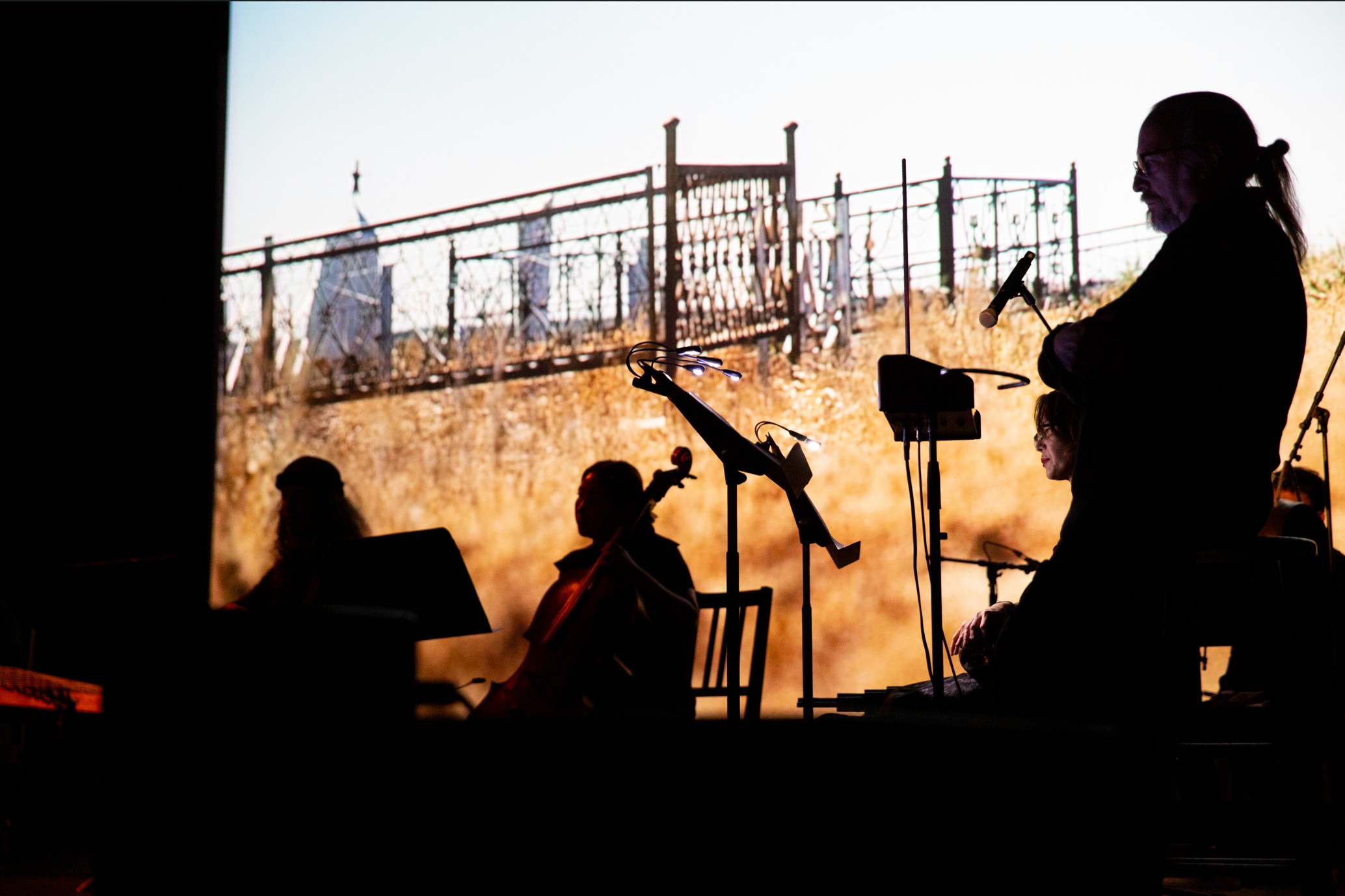
Fig. 2. Sojung JUN. I Do Nine-Tailed Fox, 2025. Photo by Masao Katagami. Image courtesy of Asia Society
In the performance, these histories surface through the figure of a “sound archaeologist”, one who excavates not sediment but frequency, assembling lost voices, climates, and temporalities. They appear alongside a constellation of musicians that forms a kind of sonic Silk Road: pansori singer, soprano, saenghwang, North Korean gayageum, theremin, cello, percussion, dombra, conductor. Pansori grounds the work in Korean narrative time, but the array of instruments stretches the field across Eurasian sensoriums, refusing the territorializing impulse of national heritage. This ensemble does not accompany a story; it shape-shifts the story, generating a vibrational topography of trains, winds, borders, and unrecorded migrations.
A deep tenderness runs through the work, a commitment to the women of the Koryo Theater and to gender liquidity as a fundamental mode of survival. Jun deploys artificial intelligence as an interstitial force, intervening in transitions, pulling the archive into speculative conversation with the now. Each transformation is one of the fox’s tricks, fluid, uncanny, ungraspable. Images reassemble. Histories not preserved in any official record materialize as if recalled by the archive itself. From these passages, new potentialities leak out, stories suspended in the gaps migration always produces.
The layering of myth, movement, and futurity aligns with Jun’s larger argument: the Silk Road is a cognitive tool, a political metaphor for the possibility of relationality across fractured terrains.
I Do Nine-Tailed Fox travels through archaeology, technology, colonialism, and feminist speculative writing to propose “Asianness” not as category but as method as plasticity, mobility, the capacity to reorganize oneself under the duress of global orders. Jun gestures toward Kim Hyesoon’s I Do Woman Animal Asia:
What we know the least, that we are Asian
What we know the least, that we are animals
What we know the least, that we are ultimately women.
These lines index a form of being that is not captured by national, species, or gender classifications. Diasporic Koreans displaced along the Trans-Siberian Railway enacted a similar logic: uprooting, re-rooting, recalibrating themselves to environments that offered little but demanded much.
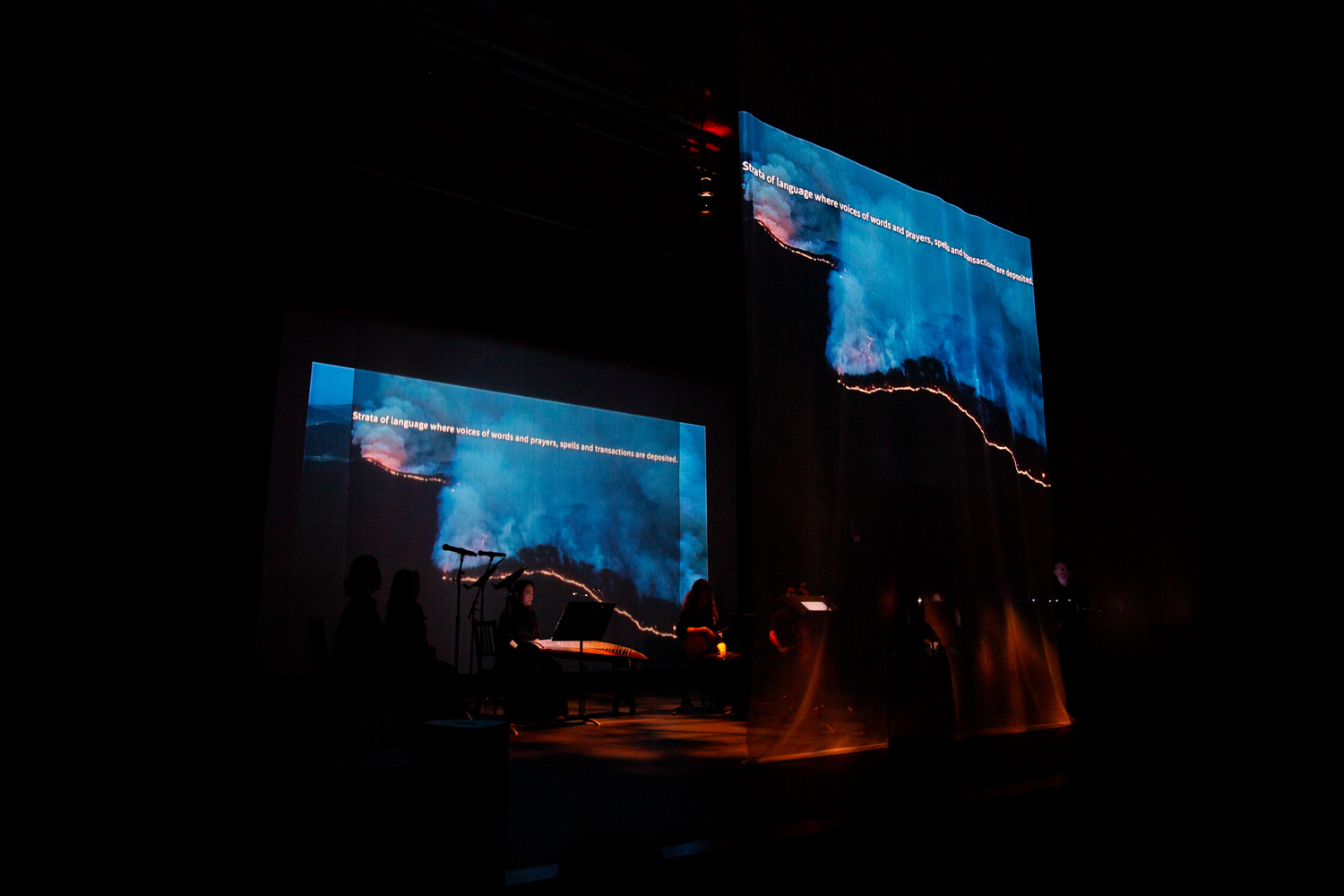
Fig. 3. Sojung JUN. I Do Nine-Tailed Fox, 2025. Photo by Masao Katagami. Image courtesy of Asia Society
Jun’s project took shape during Korea’s recent wildfires and political unrest, conditions in which reality itself felt nonlinear, unreliable, fragmented. Myths were not escapes but alternative infrastructures for metabolizing the present. The nine-tailed fox, long accused of deception, reappears as a figure for surviving in zones where stability is a trap, not a guarantee. As Jun insists, splitting and scattering are forms of persistence. Instability is a generative condition of existence.
Performa’s collaboration catalyzed this transformation. Known for insisting on performance as a critical force, Performa offered Jun a framework capable of housing her multisensory practice—video, music, storytelling. The intensity of the process reshaped the work and marked a turning point in her trajectory.
I Do Nine-Tailed Fox draws us into the layered time of Eurasia, Ice Age sediments, Soviet rail lines, nomadic routes, women’s speculative writings, the migrations of people and seeds. The nine-tailed fox travels across these terrains not as symbol but as witness, as agent in a dense network of relational obligations. Through sound, myth, archive, and performance, Jun proposes that shapeshifting is not a fantasy but a political practice of survival, a mode of continual world-making.
The work itself was produced through intuition, collective labor, and transnational alliances in Kazakhstan and at Asia Society in New York built with minimal material resources but maximal imagination. The New York concert became a demonstration of how worlds are made, not by capital, but by the stubborn creativity of communities refusing erasure.
Jun invites us into a spacetime of overlapping epochs, improbable encounters, and supportive handshakes across glacial durations. In the turbulence of the present, the nine-tailed fox offers a lesson central to our geontological condition: transformation is not leaving the world but remaking it otherwise.
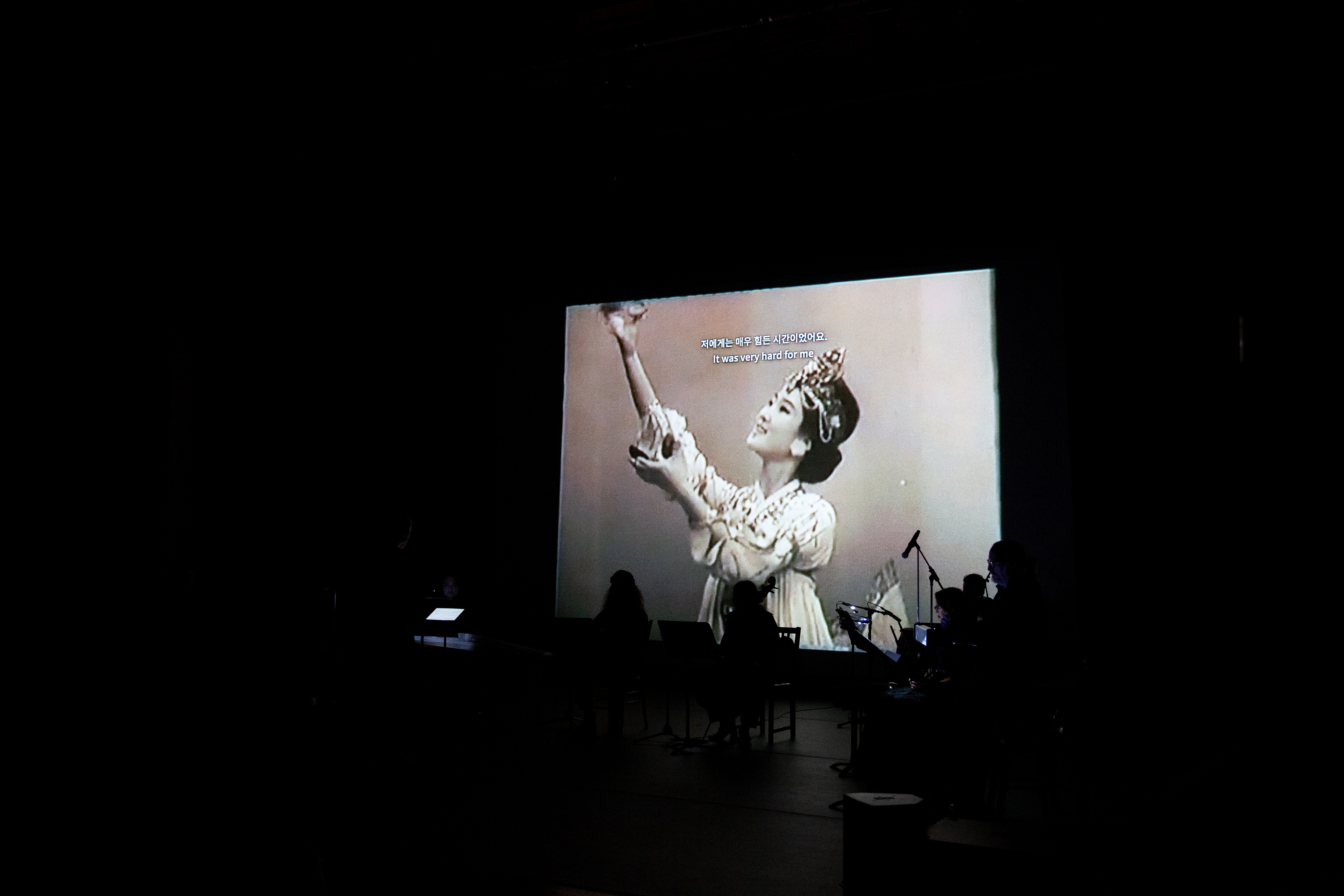
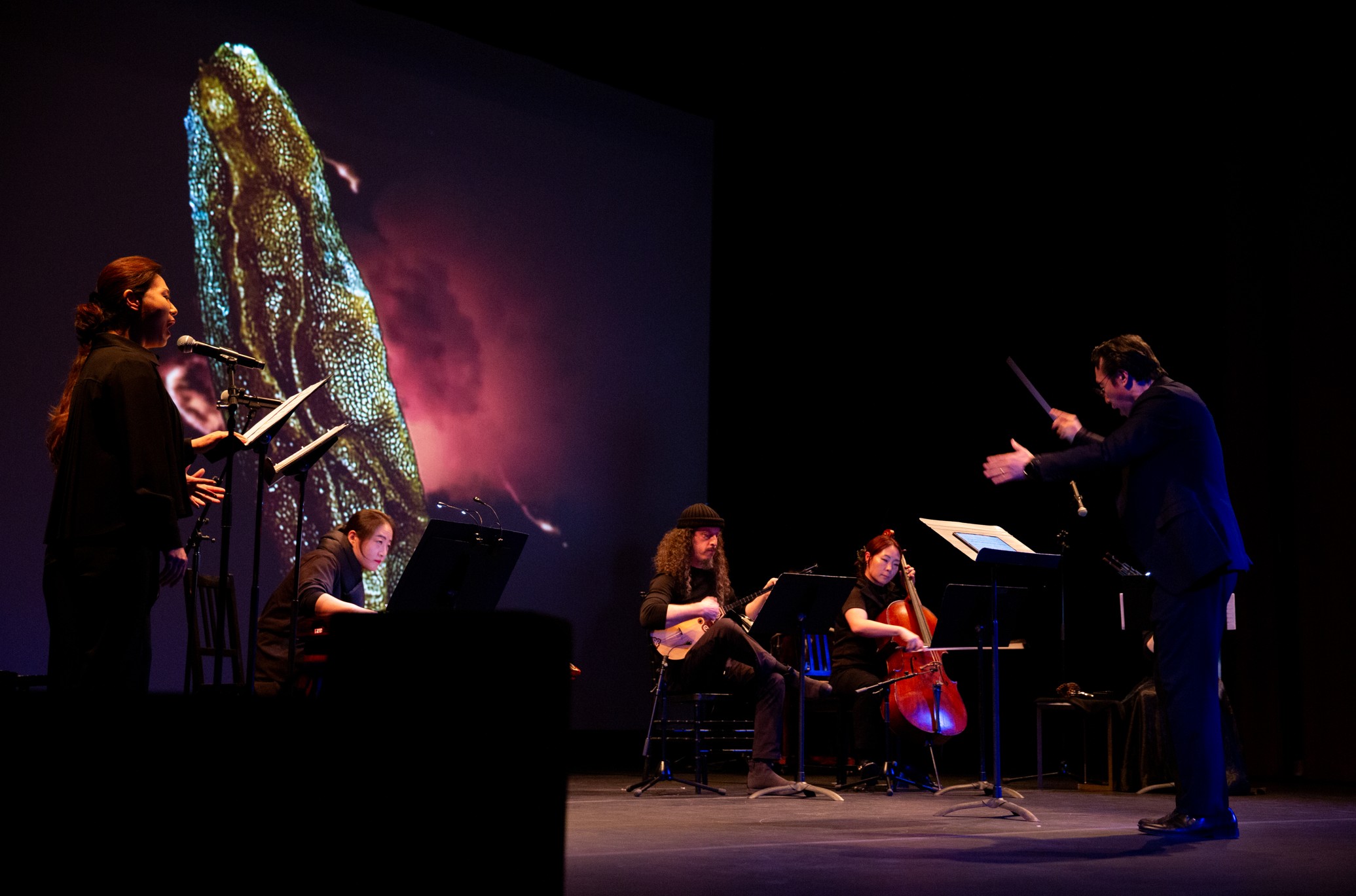
Fig. 4~5. Sojung JUN. I Do Nine-Tailed Fox, 2025. Photo by Masao Katagami. Image courtesy of Asia Society
#Sojung JUN #I Do Nine-Tailed Fox
Defne Ayas
from | PERFORMA, Senior Curator-at-Large, Director, The Van Abbemuseum
Defne Ayas (b. 1976) is a curator, director, educator, and editor whose work moves across culture, performance, governance, technology, and spirituality. In September 2025, she became Director of the Van Abbemuseum in Eindhoven, a city entangled in global chip infrastructures and complex material flows, where she brings a collaborative, future-oriented leadership to a site shaped equally by art, industry, and civic life. Over the past two decades, Ayas has shaped some of the world’s most adventurous art platforms, biennales, and initiatives. From 2012 to 2017, she led Kunstinstituut Melly (FKA Witte de With Center for Contemporary Art) in Rotterdam, championing sustained engagement with artists through exhibitions, operatic and theatrical commissions spatialized as exhibitions, publishing initiatives such as WdWReview, and ambitious platforms including Cinema Olanda Platform by Wendelien van Oldenborgh that instigated institutional name change transformation and the Kunsthalle for Music, developed with an ensemble of musicians and a repertoire of musical works by artists that took over the entire institution. Since 2005, Ayas has been a guiding force at Performa, New York’s biennial of visual art performance, coordinating a city-wide and global network of institutions and producing interdisciplinary programs that foreground civic imagination and forms of urban choreography across performance, architecture, writing, dance, publishing, and the city’s urban grid. Her curatorial work spans continents and collective world-building exercises with beloved cahoots, magicians, and wizards, including the 13th Gwangju Biennale (2021), the 6th Moscow Biennale, the 11th Baltic Triennale, and Turkey’s national presentation at the 56th Venice Biennale (2015) with Respiro by Sarkis. At the Van Abbemuseum, Ayas continues her inquiry into how art shapes reality and its representations, advancing institutional evolution by weaving imaginative experimentation with a grounded understanding of governance and the rhythms of municipal life cultivating cultural participation. Ayas began her career in New York in 2003 at the New Museum, developing Education and Media programs focused on art, technology, and critical gaming and contributing to its Museum as a Hub initiative.