Dive into Korean Art: Dialogue Through Art
Editor : Yumin KIM / Independent Curator Registration date: 2025-09-18
Editor : Yumin KIM / Independent Curator Registration date: 2025-09-18
On the last day of August, at the height of the summer heat, 14 leading figures from the international art world gathered in Seoul for the ‘Dive into Korean Art’ program, now in its fourth year and sixth edition, organized by the Korea Arts Management Service(KAMS). KAMS is fostering Korean art’s global presence through international cooperation and support for participation in overseas art fairs, aiming for sustainable growth in the visual and performing arts and a greater cultural vitality. ‘Dive into Korean Art’ is a prime example, bringing international art professionals to Korea to showcase Korean artists’ worlds and to offer firsthand encounters with their creative processes. The three-night, four-day program features studio visits, museum and gallery tours, and networking talks, serving not only to showcase Korean art but also to create opportunities for collaboration with international experts and deeper discourse. A panel of domestic and international experts has selected emerging and mid-career artists to watch, with eight teams participating this year: Byungjun Kwon, Minae Kim, Minha Park, ikkibawikrrr, Jewyo Rhii, Goen Choi, Onejoon Che(AfroAsia Collective), and Sun Woo. Fourteen global art experts—including Stephanie Hessler, Director of the Swiss Institute in New York; Victor Wang, Artistic Director of the Art Space; Liz Park, Richard Armstrong Curator of Contemporary Art at the Carnegie Museum of Art; and Hera Chan, Adjunct Curator at Tate Modern—added anticipation and depth to the event. The program opened with a tone that was both calm and vibrant.
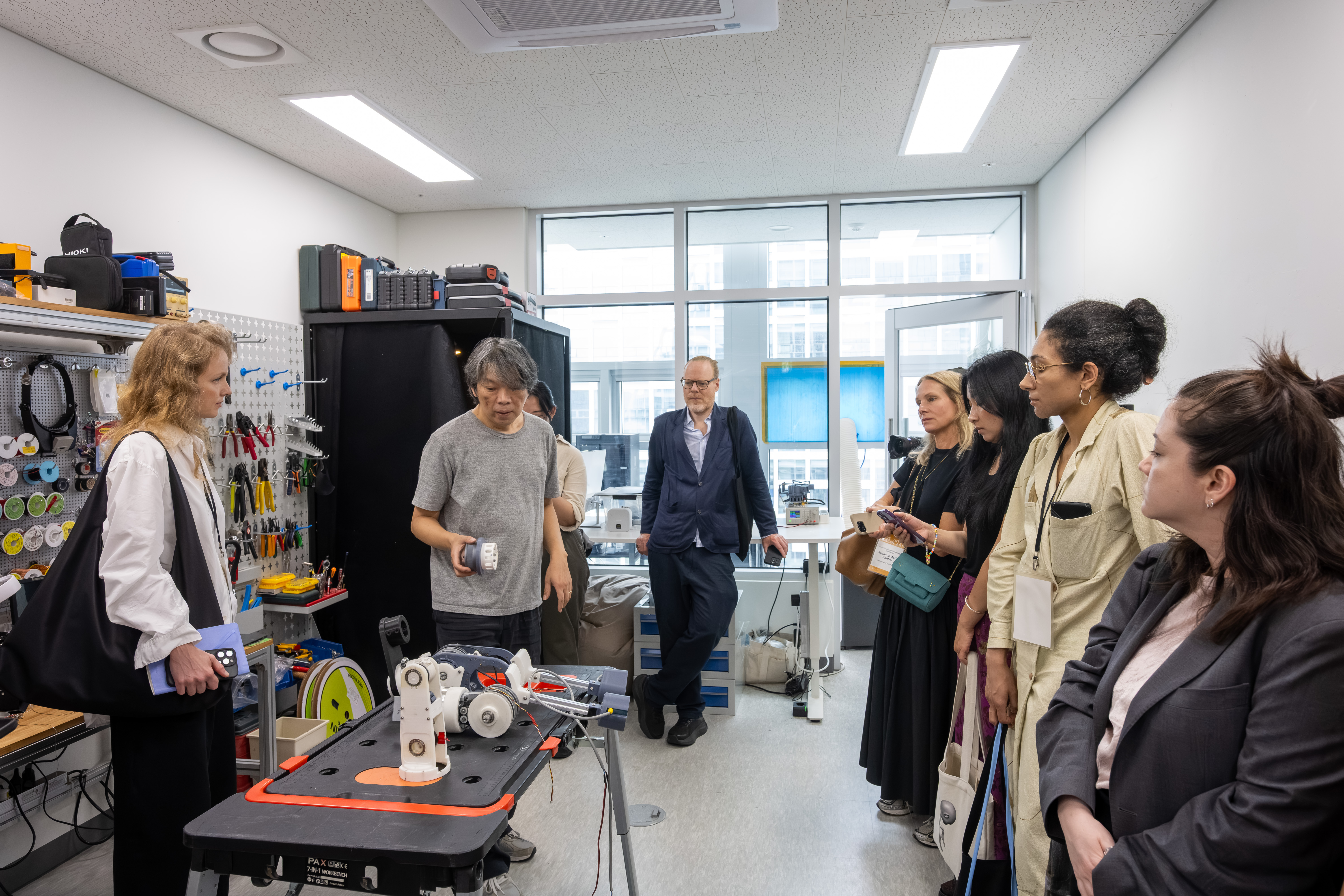

Artist Studio Visit
1. Encounters with Korean Contemporary Art: From Studio to Exhibition
Throughout September, South Korea’s art scene comes alive with exhibitions, art fairs, and biennales across genres. Coinciding with this period, Dive into Korean Art allowed international guests to explore major institutions—including the National Museum of Modern and Contemporary Art, Art Sonje Center, Kukje Gallery, Gallery Hyundai, and Leeum Museum of Art—where they engaged directly with Korean artists and works, and observed interactions between domestic and international practices. Adrián Villar Rojas’s installations at Art Sonje Center explored space, ecology, and human–nonhuman relations. Gala Porras-Kim’s works at Kukje Gallery, meanwhile, reflected on layered identity, migration, and language. Gallery Hyundai showcased diverse perspectives and themes across generations and regions through works by Minjung Kim, Kangseung Lee, and Candice Lin. Meanwhile, Dialogue: Unread, curated as part of the KAMS’s Special Exhibition of Outstanding Artists, featured ten contemporary Korean artists. At the MMCA, visitors saw MMCA Collection: Korean Contemporary Art, a survey of major artists and movements from the 1970s to 2000s, presented alongside works by the 2025 Korea Artist Prize winners. As part of the Project to Promote Korean Artists Overseas supported by the Ministry of Culture, Sports and Tourism and KAMS, the group exhibition Panorama at SONGEUN Art Space provided a key platform for showcasing the originality and diversity of contemporary Korean artists internationally. Twelve artist teams—eight from this year’s Korean Artists Today1) and four from 2023–2024, including Hyewon Kwon, Raejung Sim, Sojung Jun, and Seunghye Hong—also participated in the Seoul Media City Biennale, FRIEZE & KIAF, and FRIEZE NIGHT, thereby engaging with Korea’s vibrant art festivals.
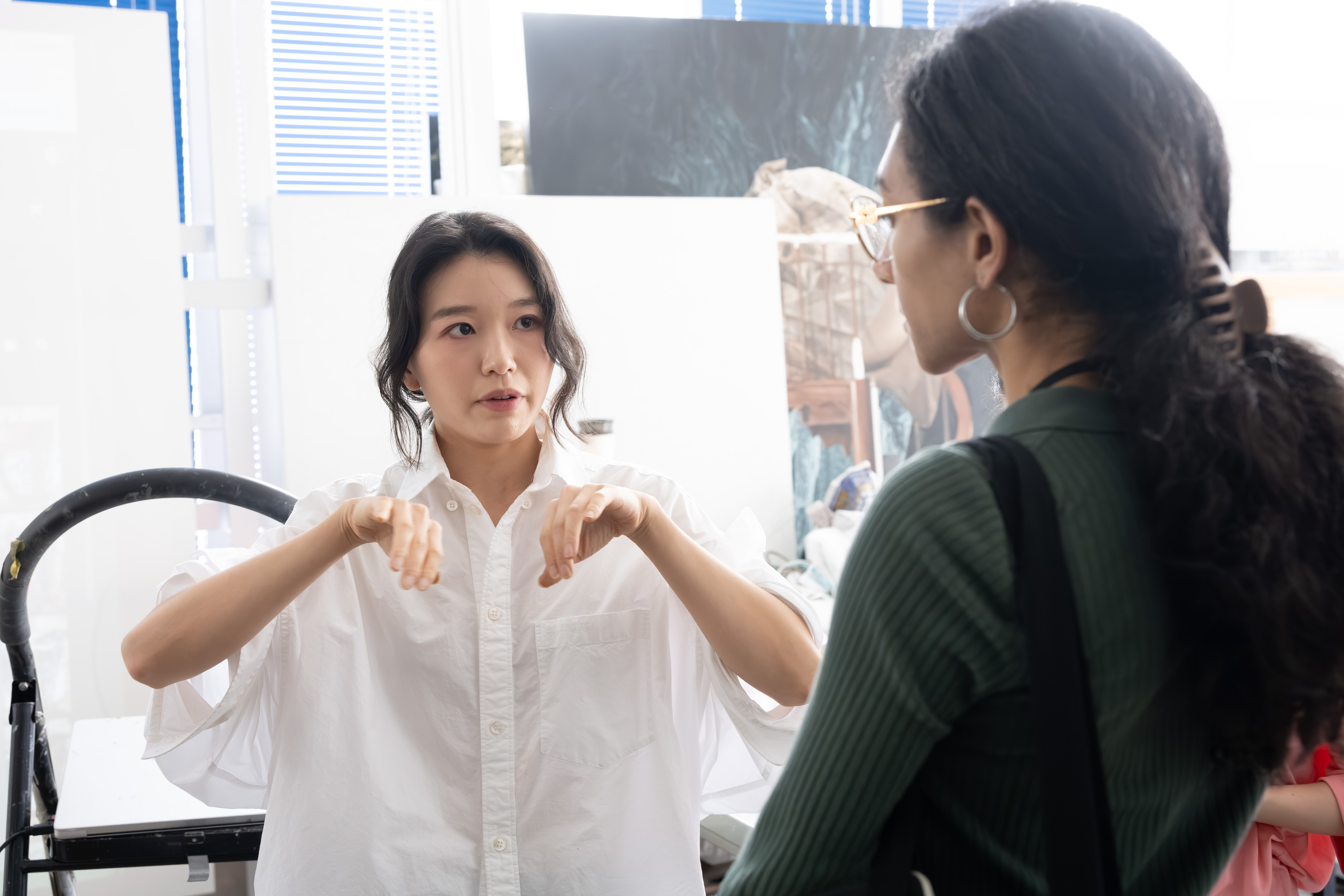
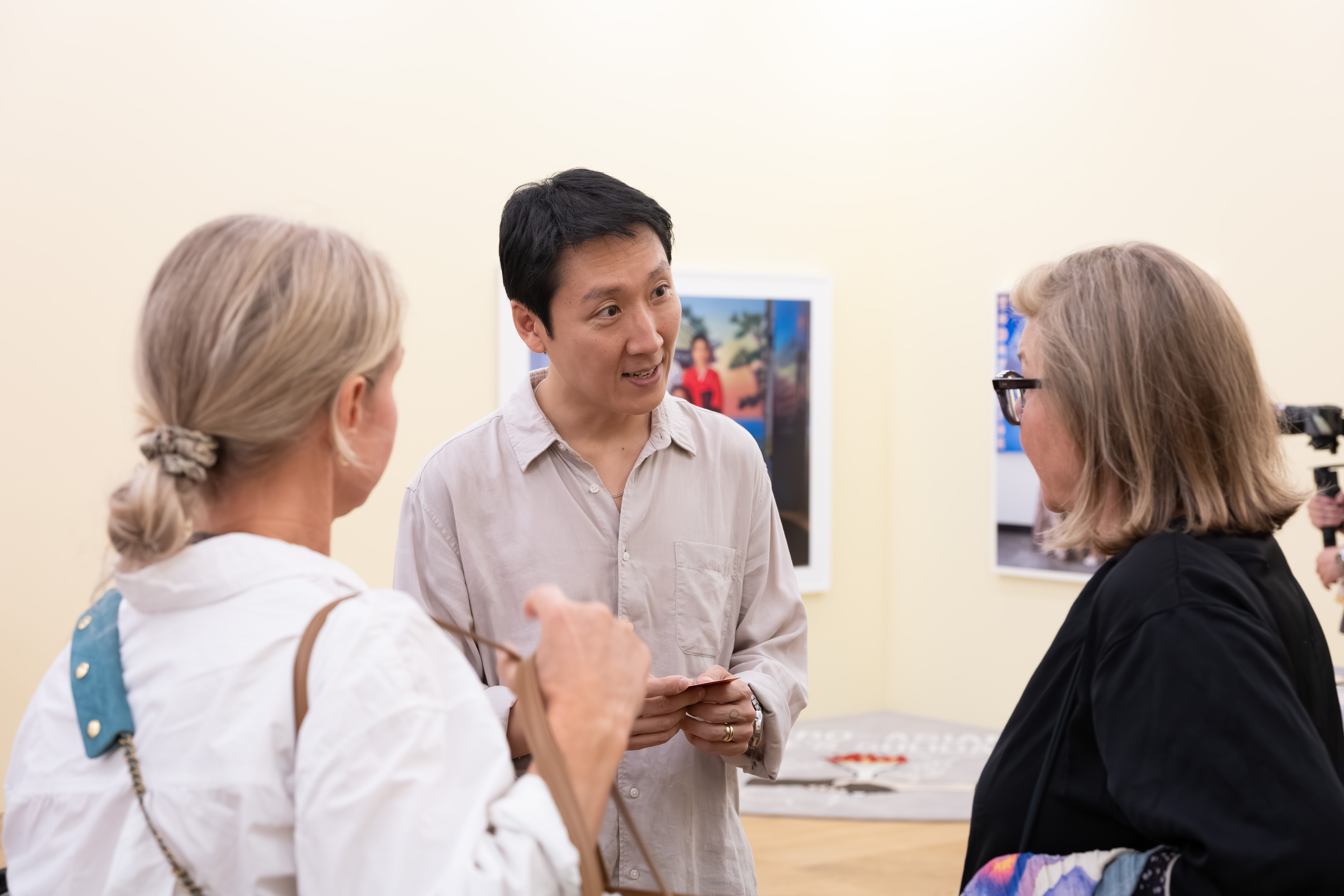
Artist Studio Visit
Dive into Korean Art allows international art figures to visit the studios of emerging and mid-career Korean artists, learning about their creative processes and philosophies to gain a deeper understanding of their artistic worlds. Through this program, artists can convey their practice beyond mere descriptions by sharing on-site details and contexts not captured in photos or online. They also engage with the international art world to gain inspiration and explore future collaborations. The participating artists showcased diverse artistic approaches. Minae Kim highlighted societal contradictions through site-specific installations that subvert institutional and spatial frameworks. Goen Choi’s installations examined contemporary technology and material culture by cutting and rearranging ready-made objects to reflect resource circulation and consumption. Byungjun Kwon’s experimental works merged human, non-human, analogue, and digital elements with Ambisonic spatial sound and robotic theater. Minha Park reimagined poetic landscapes through dot, line, plane, and color. Jewyo Rhii used installation, performance, and video to reveal overlooked societal peripheries and their interconnections through everyday objects and spaces. Sun Woo’s paintings and installations explored the virtual–real relationship by merging digital images with traditional painting techniques. Onejoon Che, addressing Cold War, decolonization, and Afro-Asian themes through photography, installation, and video, presented his works to international audiences at SONGEUN Art Space. ikkibawikrrr traced Maitreya statues across Korea, capturing landscapes where humanity, nature, time, and memory converge. The artist and international participants exchanged insights on this Maitreya project, considering its historical and cultural contexts, musical interpretations, approaches to preservation, and site-based research.
The networking event gathered directors, curators, journalists, and the Seoul Media Biennale curatorial team to discuss Korean art and explore possibilities for international collaboration.
2. Talks on Solidarity and Sustainability
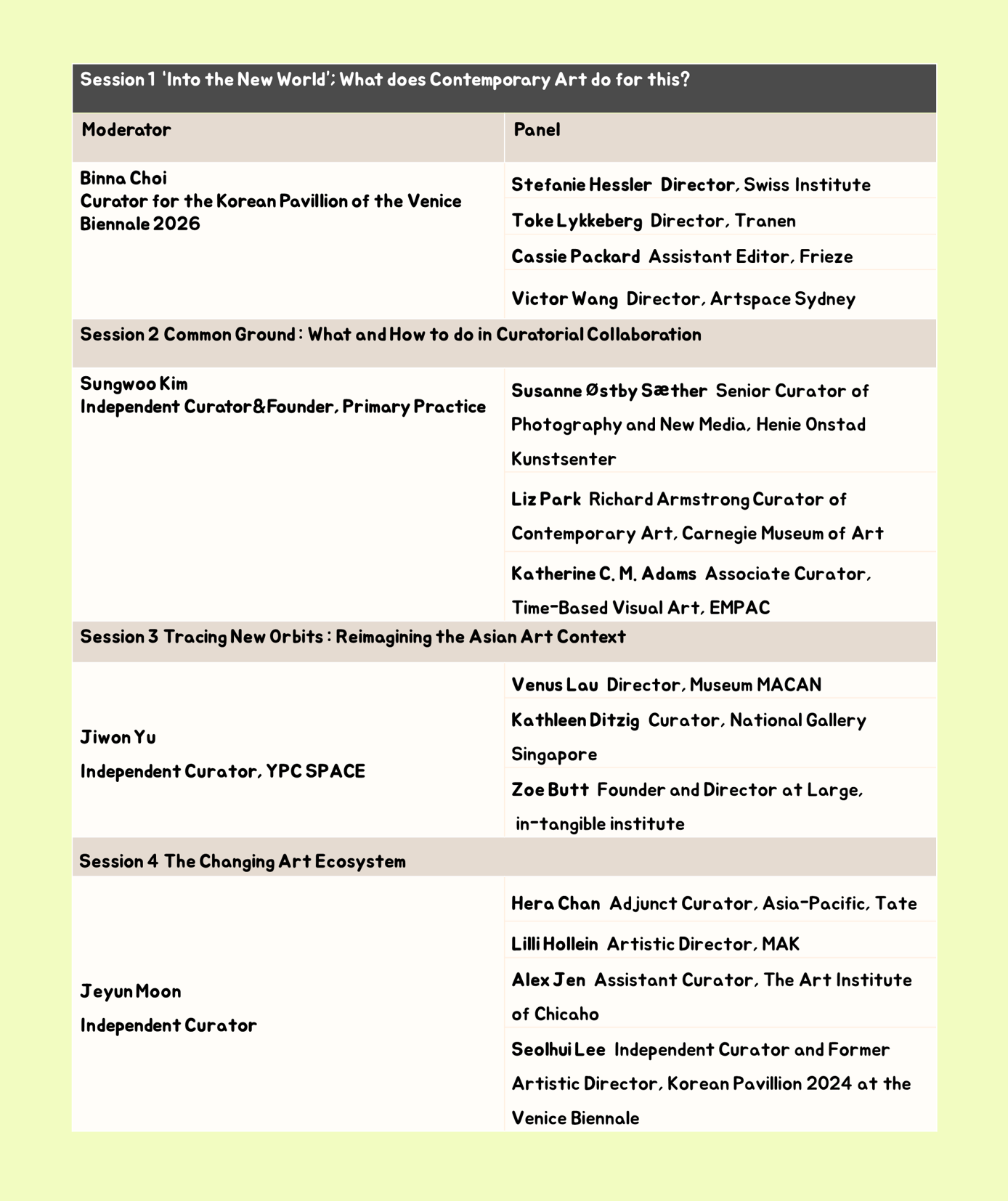
The final day of Dive into Korean Art commenced with a talk program entitled “Creating Art Together, Shaping the Future Together.” This highly popular program, which sold out within three days, featured domestic and international curators as moderators and included four sessions, with fourteen global participants discussing key trends and issues in the local art scene.
The first session, “Into the New World: What does Contemporary Art do for this?”, examined how contemporary art creates meaning in social and political contexts and fosters sustainable solidarity. Host Binna Choi noted that Girls' Generation's Into the New World became a “protest anthem” at Korean demonstrations, highlighting citizens' shared empathy and care as key to protecting democracy and justice. The panelists discussed how art drives social change. Stephanie Hessler pointed out that K-pop light sticks used in protests exemplify how collective joy and solidarity can power social change, linking art and social movements across transnational and historical contexts. Toke Lykkeberg stressed that artists need economic independence and institutional support for sustainable practice, highlighting the importance of long-term infrastructure. This session confirmed that art creates meaning not only beyond political and economic frameworks but also within structures of social solidarity, resilience, and sustainability. The session connected the experience of the protest square with contemporary art, offering insights into art's social role and longevity.
In the second session, curator Sungwoo Kim’s “Common Ground: What and How to do in Curatorial Collaboration” presented collaboration as a process of generating ideas and meaning, discussing both its value and its limits. He emphasized that international and regional collaborations involve diverse conditions, and that understanding their tensions and limitations is key to exploring possibilities within real-world constraints. Drawing on their international experiences, the panelists discussed participant roles and collaborative approaches, highlighting the need for balanced procedures, mutual understanding, equitable distribution of power and resources, and ongoing discourse. Liz Park underscored the importance of community and camaraderie, advocating honest dialogue to resolve issues despite language, time, and resource limitations. Katherine C.M. Adams noted that collaboration fosters mutual understanding and lays the groundwork for future collaboration, enabling new perspectives and technologies despite geographical and institutional constraints. The panelists agreed that collaboration is essential to building a sustainable, long-term arts ecosystem in both international and regional exchanges.
The third session, "Tracing New Orbits: Reimagining the Asian Art Context", moderated by curator Jiwon Yu, discussed strategies for viewing Asia as an open, historically and culturally interconnected network, balancing regional and international perspectives. The panelists shared various approaches—including education, archiving, mentorship, and networking—to enhance Asian art’s autonomy and global reach. Kathleen Ditzig presented cases connecting Southeast Asian history with international curatorial practice, offering a fresh perspective. Zoe Butt outlined a sustainable collaborative model supporting artists and long-term networks in the Global South, respecting local contexts while enabling international collaboration. Reflecting on her Seoul experience, she noted that Korean artists sill largely operate within traditional China–Japan networks, while the moderator highlighted how differences in education, language, and global experience influence and shape locally grounded artistic practices. This session explored new trajectories for Asian contemporary art by examining temporality, regional specificity, modes of international exchange, and institutional conditions.
The final session, "The Changing Art Ecosystem", led by curator Jeyun Moon, focused on the global art market, its systems, and the evolving role of artists. Drawing on field experience and research in Seoul, the panelists discussed migration, locality, identity, diaspora, and shifts in institutions and funding, noting that the Korean art world faces both opportunities and structural tensions. The discussion addressed links between institutions and local networks, the balance of funding, and trust in artistic practice and institutional operations. Hera Chan stressed the role of institutions in shaping multilayered art histories and aligning with artistic practice, while Lilli Hollein shared trust-based museum strategies under limited resources. Seolhui Lee explored solidarity and sustainability between institutions and independent practice through the concept of “the space in between.” The session concluded by examining the coexistence of independent artistic practice and institutional structures, while collectively envisioning the future of Korea’s art ecosystem.
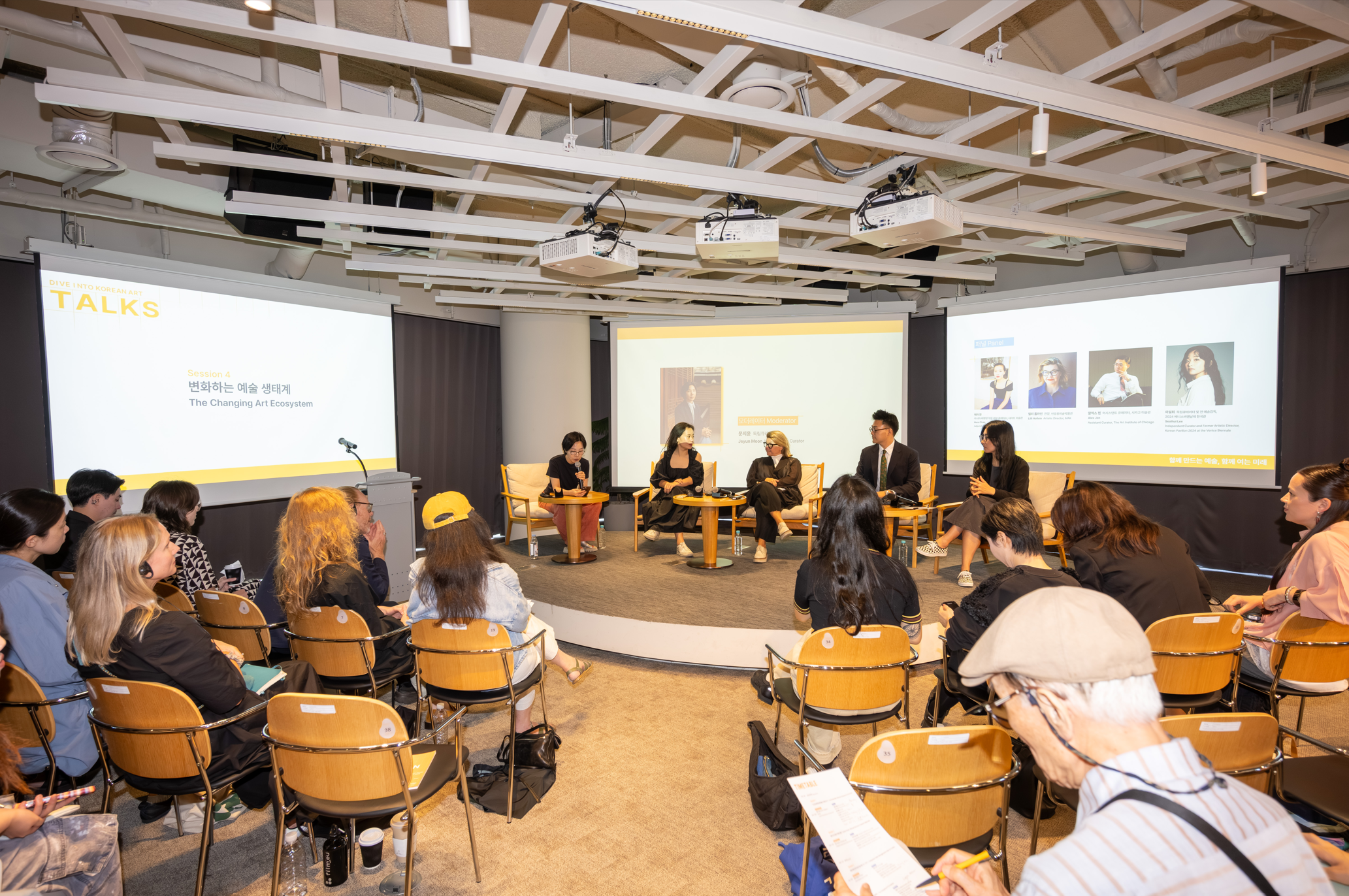
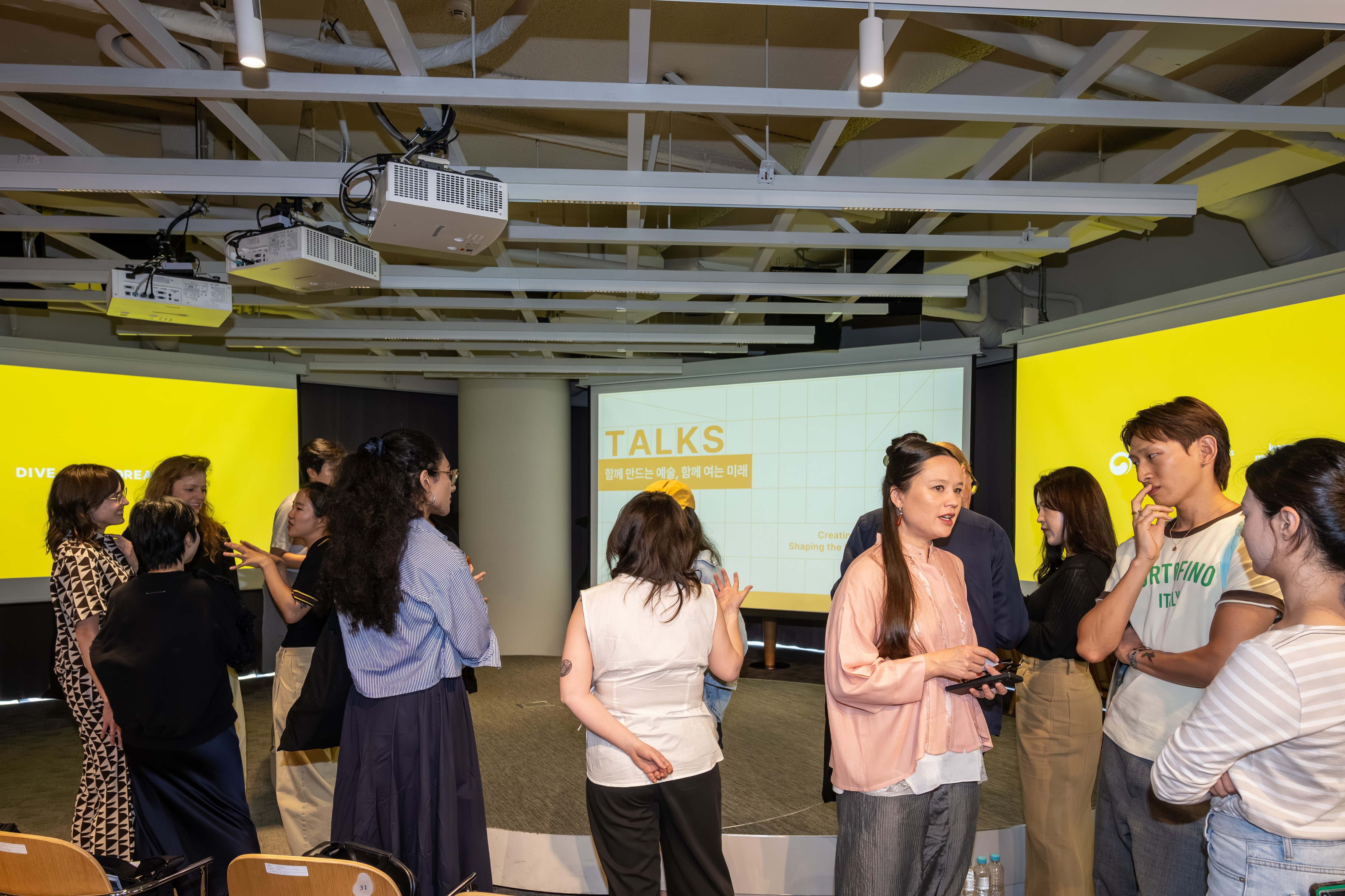
International guests valued firsthand encounters with Korean contemporary art through studio visits and exhibitions, seeing familiar artists in a new light while discovering emerging and mid-career talents. They noted that both formal and informal exchanges sharpened ideas, expanded networks, and offered renewed international perspectives on Korean art.
Dive into Korean Art functioned not only as a project introducing Korean art abroad but also as a platform connecting overseas experts with the domestic ecosystem through reciprocal exchange. The three-night, four-day program went beyond a business meeting, enabling participants from diverse backgrounds to build meaningful connections through contemporary Korean art. These encounters opened multiple dimensions of discourse and created a foundation for Korean art to grow internationally and foster lasting exchanges. The program’s insights and relationships are expected to strengthen international cooperation and contribute to a sustainable art ecosystem.
1) ‘Korean Artists Today’ is a program by KAMS supporting emerging and mid-career Korean artists in entering overseas art markets, featuring the same artists selected for 'Dive into Korean Art.'
from | Independent Curator
She has organized and managed a wide range of cultural and artistic initiatives at museums, cultural foundations, and art galleries. Through exhibitions and projects, she continues to explore the relationship between audiences and art, further expanding her curatorial practice.